Domestic
Mechanical
Dials and levers, few electronics. Simple to learn and simple to repair.
- Best for
- Beginners, schools
- Watch for
- Fewer stitch options
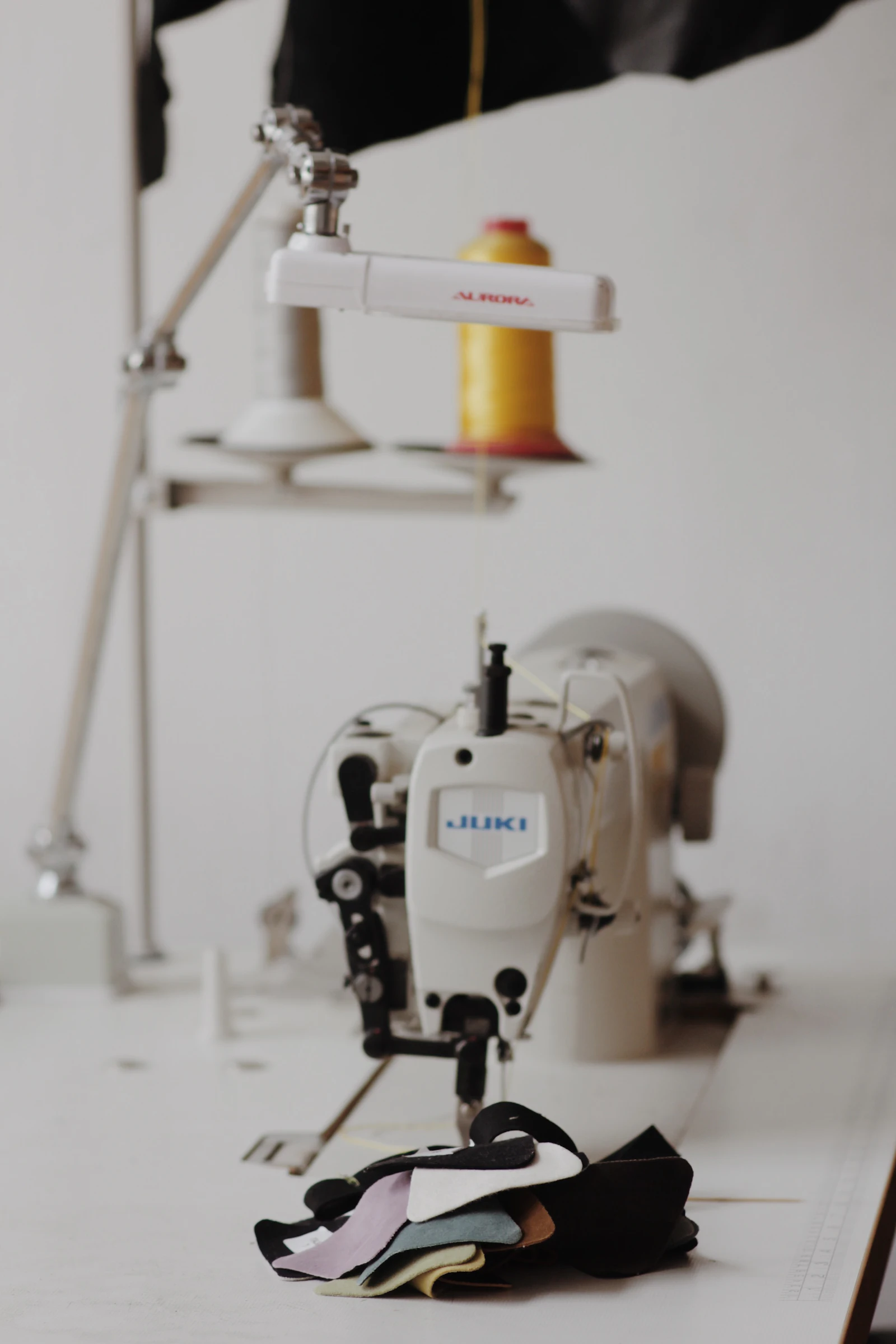
Buyer’s guide · Domestic sewing machines
From a first machine for dressmaking to a heavy-duty workhorse for upholstery, here is how to choose a sewing machine in the UK.
Photo: Victoria Nazaruk on Unsplash
Domestic
Dials and levers, few electronics. Simple to learn and simple to repair.
Domestic
Push-button stitch choice, automatic buttonholes, needle up/down and speed control.
Domestic
Stronger motor and frame for denim, canvas and light upholstery.
Industrial
Straight stitch at high speed all day. Usually table-mounted with a servo or clutch motor.
Specialist
Trims and neatens seams in one pass. Essential for stretch knits.
Specialist
Stitches designs automatically within a hoop. Some combine sewing and embroidery.
 Modern domesticKemal Berkay Dogan / Unsplash
 Vintage classicRyunosuke Kikuno / Unsplash
 ComputerisedBozhin Karaivanov / Unsplash
 IndustrialLalit Kumar / Unsplash
 EmbroideryAgto Nugroho / Unsplash
 Heavy-dutyClem Onojeghuo / Unsplash
 Brand guide
History from 1851, Clydebank, vintage machines and parts.
Read the guide → Brand guide
Japanese roots, domestic and embroidery ranges, industrial machines.
Read the guide → Brand guide
History since 1921, the “snake’s eye” bobbin, and who Janome suits.
Read the guide → Brand guide
Industrial lockstitch and overlock machines, plus domestic models.
Read the guide →The right machine depends on the work. Light dressmaking, mending and school projects need very different things from upholstery, bag-making or a small alterations business. Write down the three fabrics you sew most, then look for a machine that handles the heaviest of them comfortably.
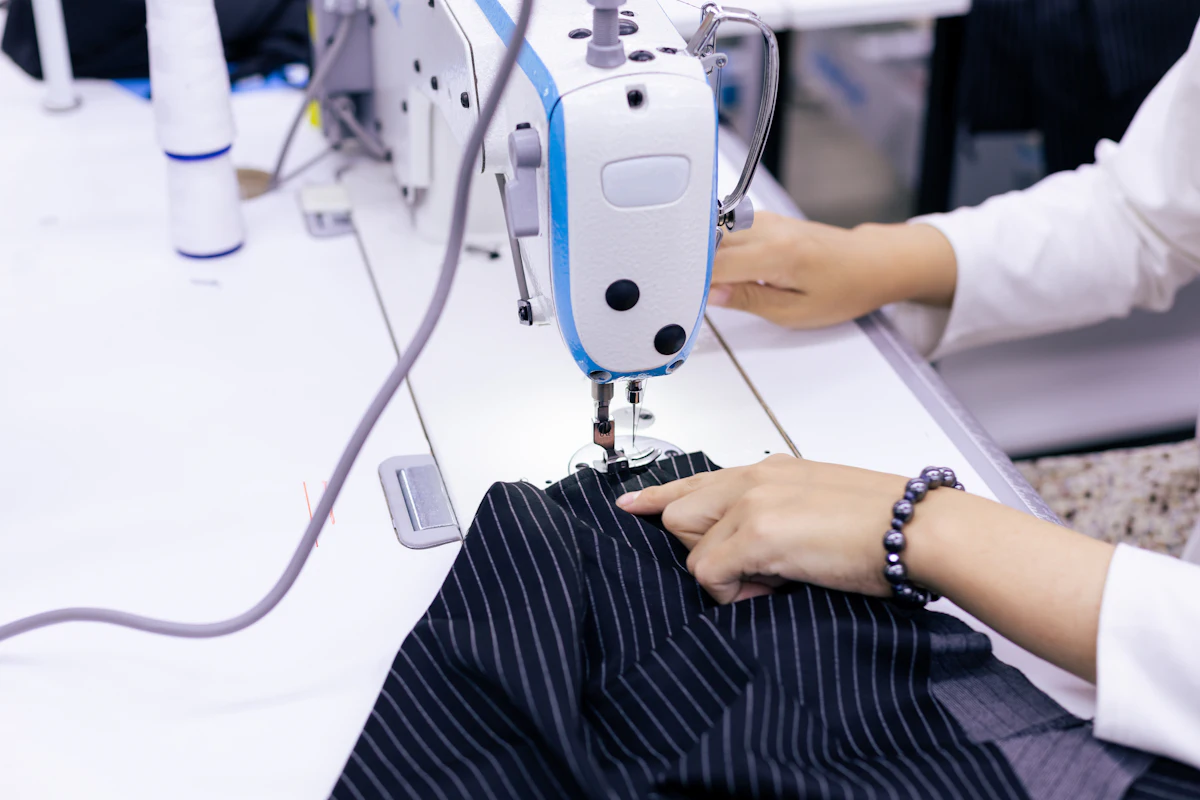
We don’t quote prices because they change constantly, but machines fall into clear bands:
A used machine that has been serviced and bench-tested by a specialist is often better value than a budget new model. Older all-metal machines can run for decades with regular servicing. See our used sewing machine checklist, and ask a dealer what testing and returns they offer.
Sewing machines feel different in use. If you can, visit a dealer, bring your own fabric and test straight stitch, zigzag and a buttonhole. In Leicester and the East Midlands, PK Sewing Machines can advise on domestic, overlocker and embroidery machines.
The throat space (the gap to the right of the needle) matters for quilts and coats. Heavier machines vibrate less at speed; lighter ones are easier to take to classes. If you will carry it, look for a carry handle and a hard cover.
Last updated: 14 October 2026

Lockstitch, overlock, coverstitch, servo motors and tables for trade and production.
Explore →
Overlockers, coverstitch and embroidery machines: what they do and who needs one.
Explore →
Editorial brand overviews: Singer, Brother, Janome, Juki, Bernina, Pfaff, Jack, Yamato.
Explore →
Machine types, must-have features, new vs used and where to get advice.
Explore →