Step 1: list what you will sew
Write down your three most likely projects. Mending and alterations, dressmaking with woven cottons, stretchy jersey, quilting, bags and upholstery all ask different things of a machine. The heaviest fabric on your list sets the minimum standard.
Buy for the heaviest fabric you sew, not the lightest.
Step 2: pick a machine type
- Mechanical: simple, durable and easy to repair. Ideal for beginners.
- Computerised: more stitches, automatic buttonholes, needle up/down and speed control.
- Heavy-duty: stronger motor for denim and canvas.
- Overlocker: a second machine for neat seams on knits, not a replacement.
Compare them on our sewing machines page.
Step 3: features that genuinely help
- A reliable one-step buttonhole.
- Adjustable stitch length and width.
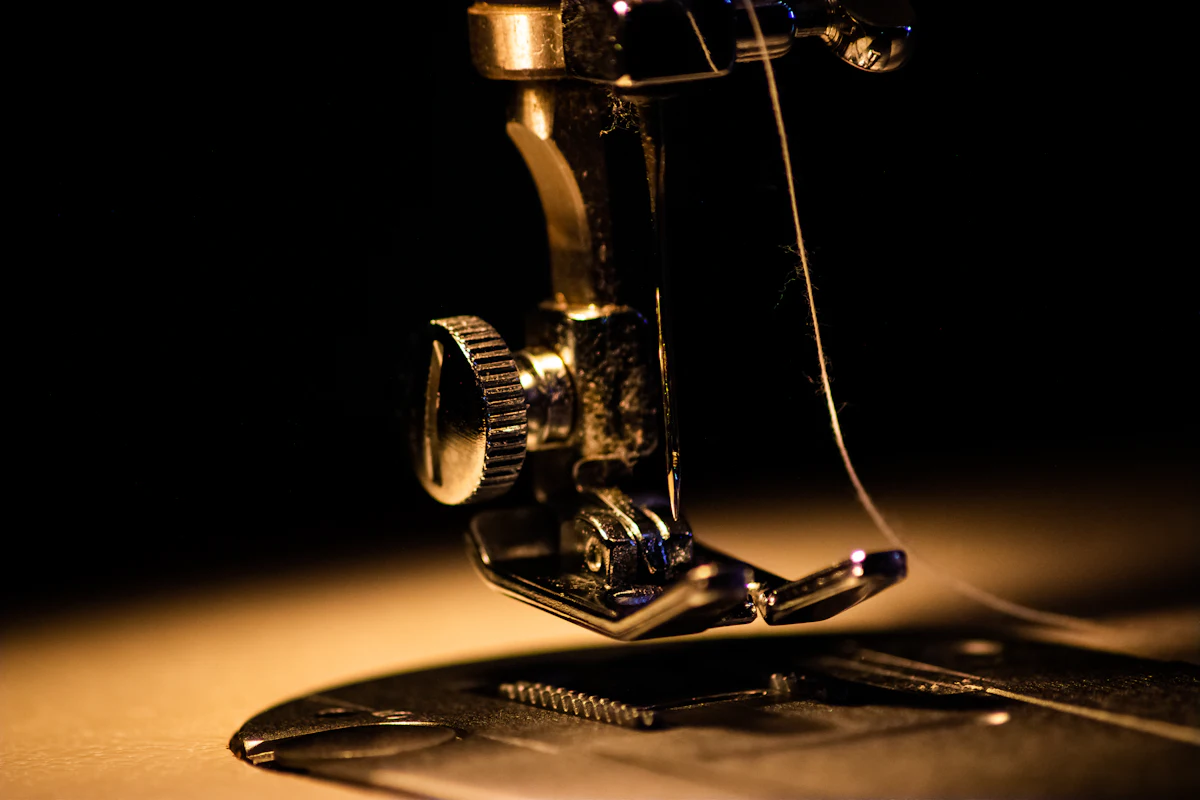
- A free arm for sleeves and trouser hems.
- Presser foot pressure control.
- Standard 130/705H needles and easy-to-find bobbins.
Step 4: decide new or used
A good used machine that has been serviced and tested by a specialist is often better made than a budget new one. Our used machine checklist explains what to look for.
Questions to ask in the shop
- Which needle system and bobbin class does it use?
- Is there a hard cover or carry case?
- What comes in the box: feet, bobbins, needles, a manual?
- Who services it locally, and how long are parts available?
- Can I bring it back if it doesn’t suit?
Common mistakes to avoid
- Buying hundreds of decorative stitches you won’t use instead of a better-built machine.
- Choosing a toy-grade mini machine for real projects.
- Forgetting the cost of a service on a cheap second-hand machine.
- Not checking the machine handles several layers of your heaviest fabric.
Mechanical vs computerised in more detail
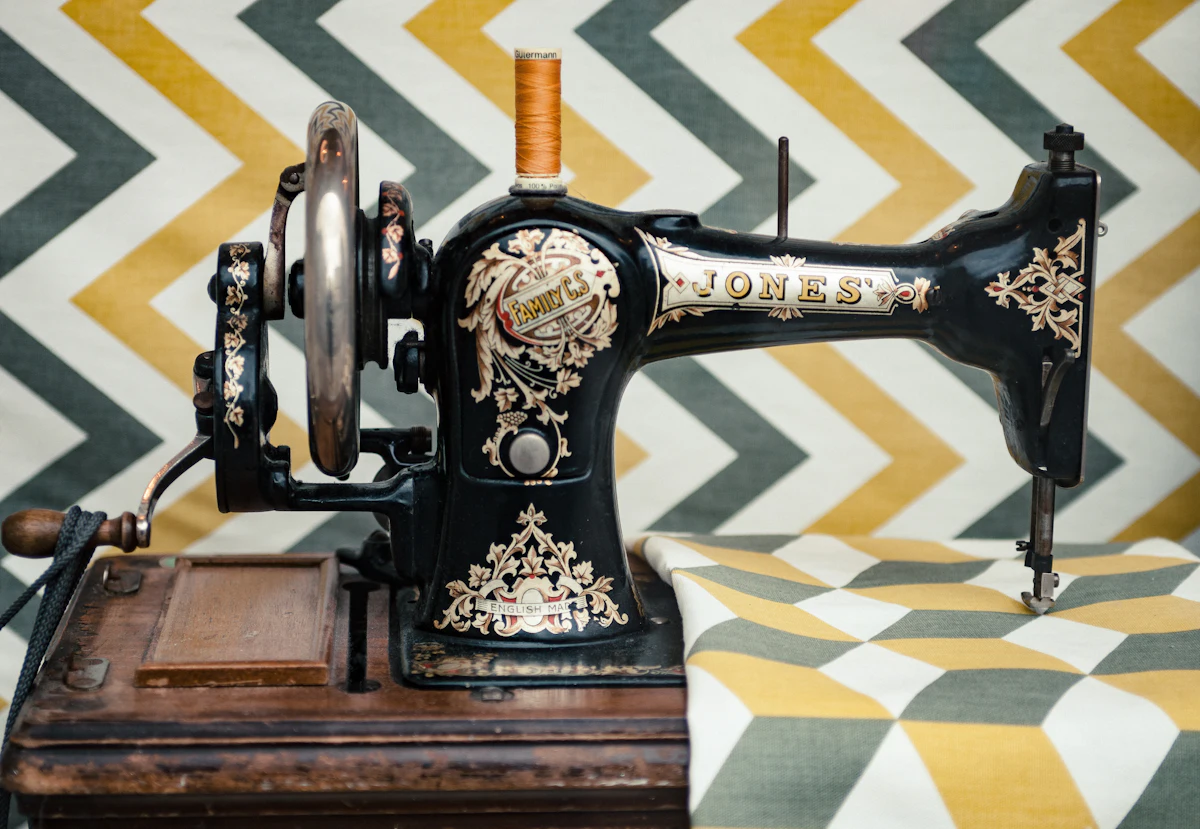
A mechanical machine sets stitch length and width with dials and uses cams and gears to form stitches. It has fewer things to go wrong, tolerates a knock, and any good engineer can service it. The trade-off is fewer stitches, a simpler buttonhole and no speed limiter.
A computerised machine uses a circuit board and stepper motors. You gain push-button stitch selection, memorised settings, a needle that stops up or down, speed control (helpful for beginners and children) and often an automatic needle threader. Repairs to electronics can cost more, so buy from a brand and dealer with good support.
Think about the bobbin system
Drop-in (top-loading) bobbins sit under a clear cover, so you can see how much thread is left and they are easy to change. Front-loading bobbins sit in a removable metal case, which many experienced sewers prefer for fine tension control. Neither is better for everyone, but try both in the shop.
Accessories worth having from day one
- Zipper foot and buttonhole foot (usually included).
- Walking foot if you plan to quilt or sew knits and checks.
- Spare bobbins of the correct class.
- A selection of needles: universal 80/12 and 90/14, ballpoint and jeans.
- A hard cover or carry case if you will take it to classes.
Step 5: test-sew before you buy
Take your own fabric to a dealer and try straight stitch, zigzag and a buttonhole. In Leicester, PK Sewing Machines has sold new and used machines since 1982, close to the streets where Leicester’s hosiery trade once made stockings for the world.
Last updated: 14 October 2026


