The short answer
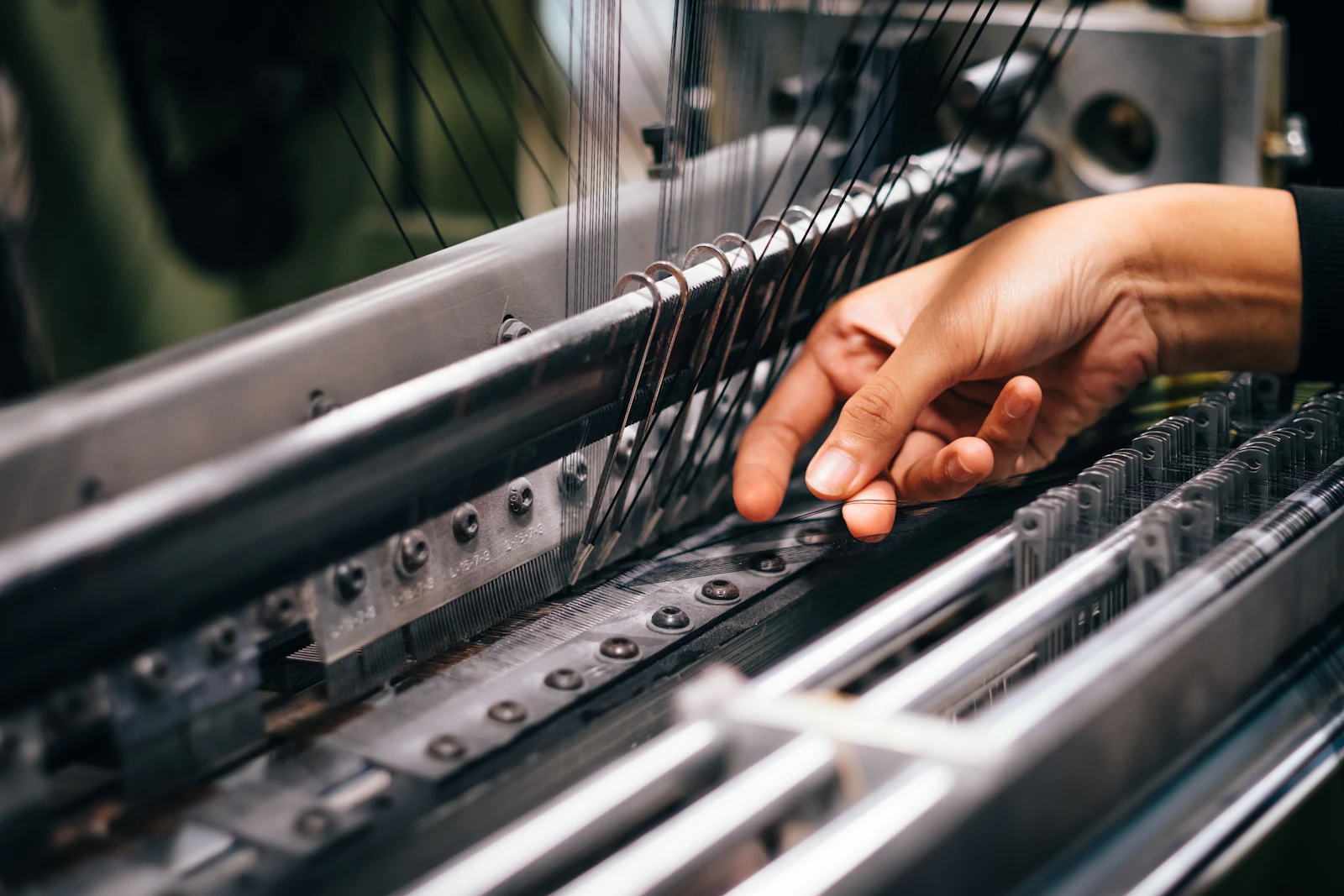
For a home machine in regular use, a professional service roughly once a year is a sensible habit, or sooner if stitch quality changes. Machines used lightly may go longer. Industrial machines in daily production need daily care from the operator and regular checks by an engineer.
What you can do between services
- Change the needle every project or so, and straight away if it is bent or blunt.
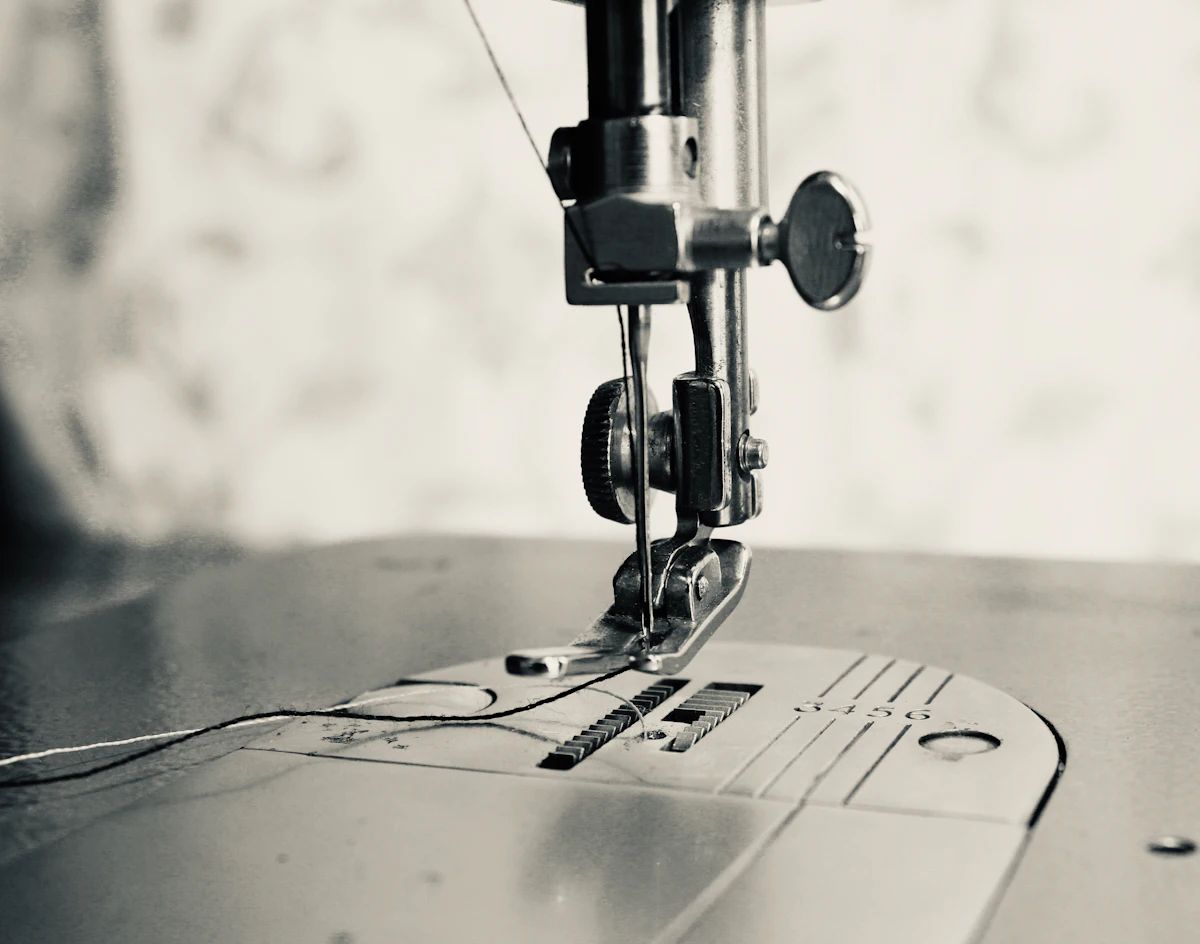
- Brush lint from the bobbin area and feed dogs (unplug first).
- Oil only where the manual says, with sewing machine oil. Many modern domestic machines should not be oiled by the owner.
- Cover the machine when not in use.
Warning signs
Skipped stitches, loops on the underside, knocking noises, a sluggish motor or uneven feeding are all reasons to book a service. Our troubleshooting guide covers the quick fixes to try first.
What a service includes
Typically: an inspection and test, a deep clean of lint and old oil, lubrication, tension and timing adjustment, and a test sew. Any worn parts should be explained before they are replaced.
A simple monthly routine
- Unplug the machine.
- Remove the needle plate and bobbin case (if removable).
- Brush out lint from the feed dogs and hook area; never blow into the machine, which pushes lint deeper.
- Oil only the points shown in your manual.
- Fit a new needle and sew a test seam on scrap fabric.
Storing a machine
Keep it covered, somewhere dry and at room temperature. Machines stored in cold garages or lofts can suffer from thickened oil and damp. Run a machine that has been stored for a long time slowly at first, and book a service if it sounds rough.
Domestic vs industrial intervals
Home machines that sew a few hours a week usually need a professional service roughly once a year. Heavy home use (quilting, dressmaking every evening) may justify more often. Industrial machines in production should be cleaned and oiled by the operator daily or as the manual says, with engineer checks on a regular schedule. A log of hours and faults helps you find the right interval.
Why lint is the enemy
Every stitch sheds tiny fibres. Over time these pack around the feed dogs and hook, soak up oil and become a felt-like plug that stops parts moving freely. The result is skipped stitches, noise and strain on the motor. Cotton, fleece, felt and wadding produce the most lint.
What a service won’t fix
A service restores a machine to good working order, but it can’t make a budget machine sew through materials it wasn’t designed for. If you regularly sew heavy canvas, leather or many layers, ask the engineer whether a heavy-duty or industrial machine would serve you better.
Booking a service in Leicester
PK Sewing Machines services domestic and industrial machines in its Leicester workshop and lists servicing from £35 on its website. Leicester engineers have kept machines running since the days of the city’s great hosiery mills. Read more on our repairs page or PKSM profile.
Last updated: 14 October 2026


