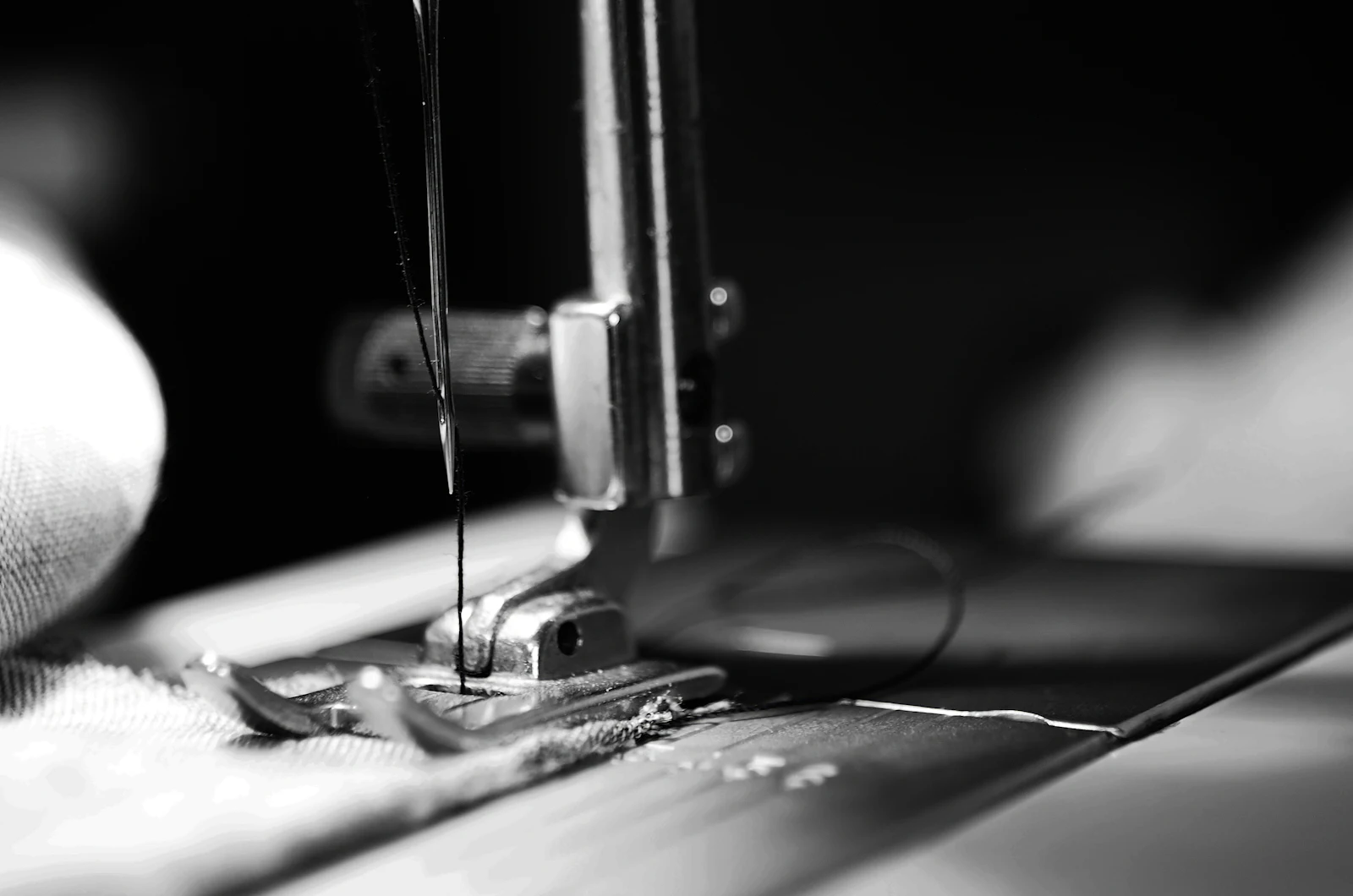
Thread bunching underneath (“bird’s nest”)
This is almost always an upper threading problem. Raise the presser foot (which opens the tension discs), rethread the top thread completely, and try again.
Skipped stitches
Change the needle first. Make sure it is the right type and size for the fabric (a ballpoint for knits) and inserted the right way round, fully up.
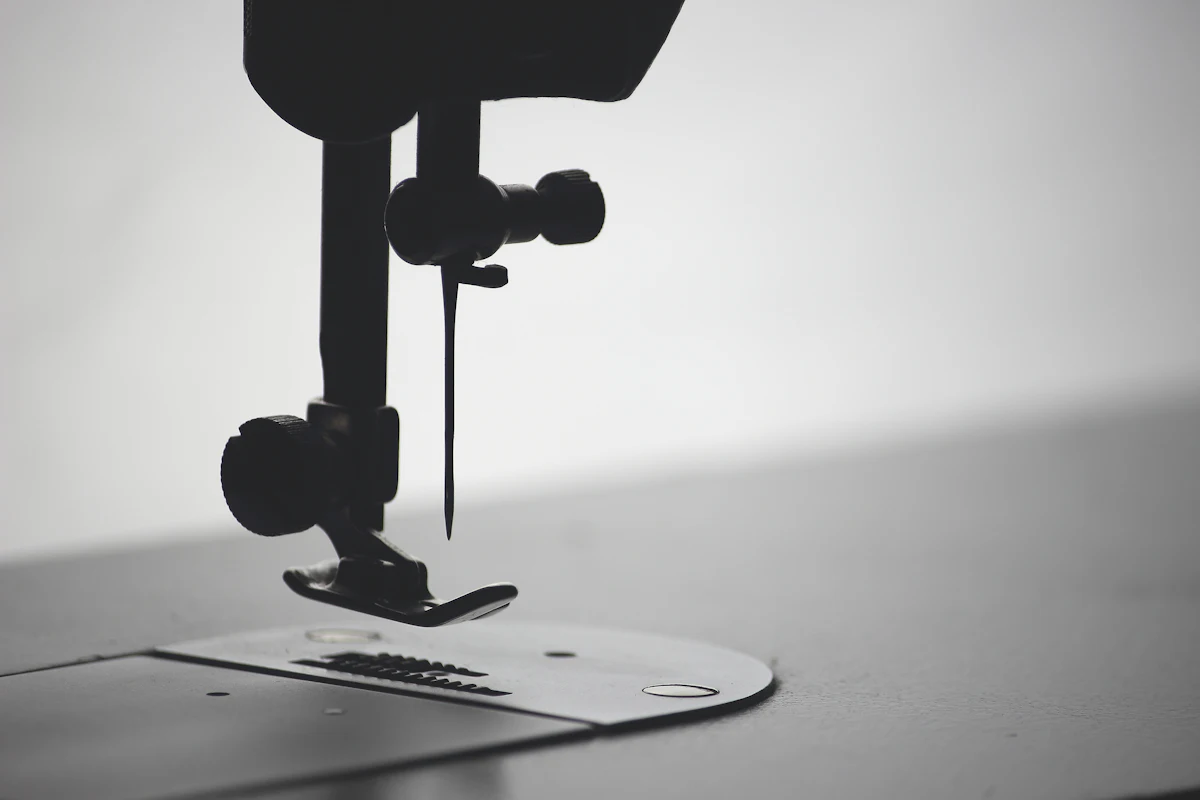
Needles keep breaking
Check you are not pulling the fabric, the needle is the right size for thick seams, and the presser foot is correctly fitted. A machine that breaks needles on light fabric may have a timing problem.
Fabric not feeding
Check the feed dogs are raised (not in darning mode), clean lint from between them, and check the stitch length is not set to zero.
Loud knocking or grinding
Stop sewing. Unplug and check for broken needle fragments or thread wrapped round the hook. If the noise continues, book a service.
Tension troubles
If the top thread shows on the underside, the top tension is too loose (or the machine is mis-threaded). If the bobbin thread shows on top, the top tension is too tight. Change one setting at a time. See our tension guide.
Bobbin problems
- Wind bobbins evenly at a steady speed.
- Use the correct bobbin class for your machine.
- Insert it the right way round (check the manual for clockwise or anticlockwise).
- Clean lint from the bobbin case regularly.
Machine won’t sew at all
- Check the power switch, plug and foot pedal connection.
- Check the bobbin winder isn’t engaged (on many machines it stops the needle moving).
- Check the clutch on the handwheel of older machines is tightened.
Fabric puckering
Reduce top tension slightly, use a finer needle and thread for light fabrics, shorten the stitch, or place tissue under the seam. On knits, use a ballpoint needle and don’t pull the fabric.
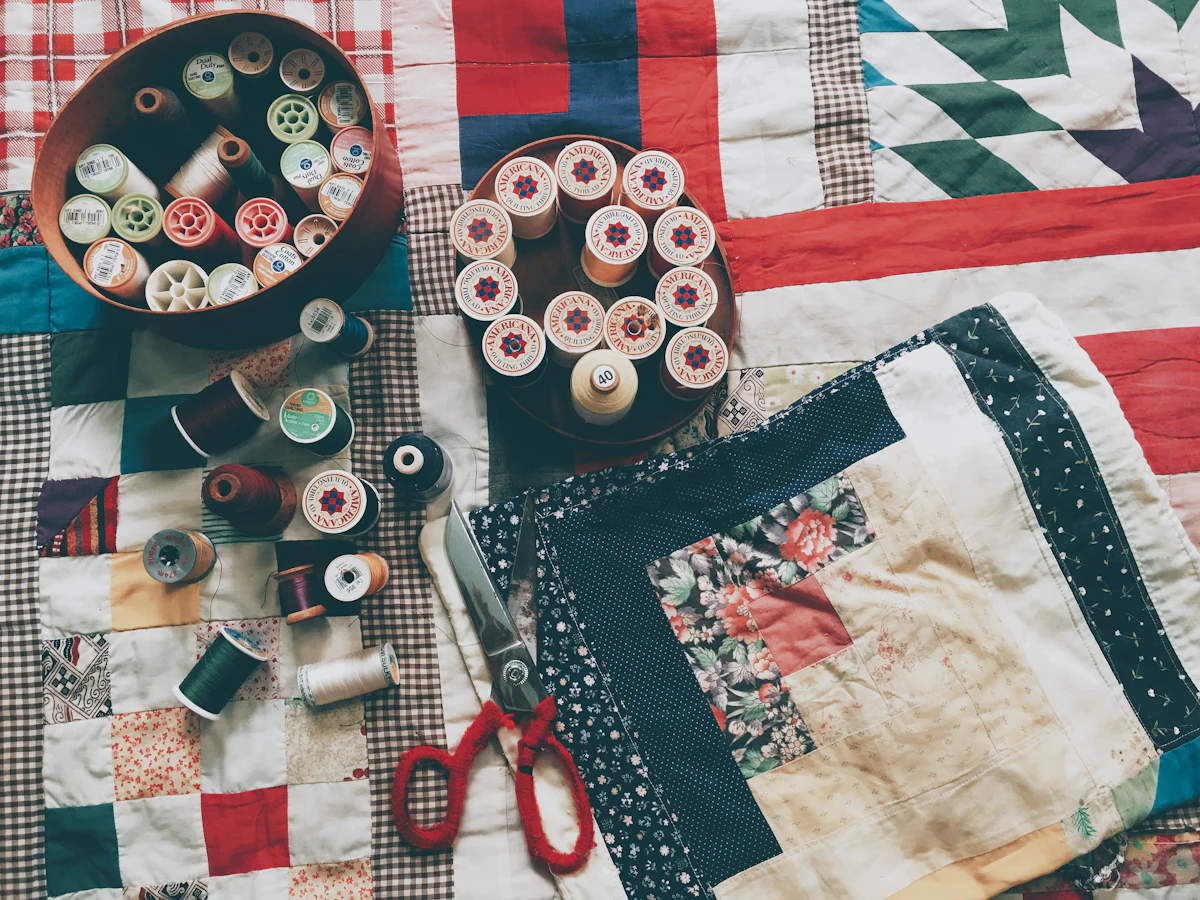
Thread keeps breaking
- Rethread the top and check for snags on the spool or guides.
- Use better-quality thread, and match needle size to thread.
- Check the needle isn’t damaged or inserted wrongly.
- Reduce top tension a little.
When to call a pro
Timing, motor and electrical faults need an engineer. PK Sewing Machines has repaired machines in Leicester since 1982, from domestic to industrial. Leicester’s hosiery heritage means there is real expertise on hand. See repairs and servicing.
Last updated: 14 October 2026


