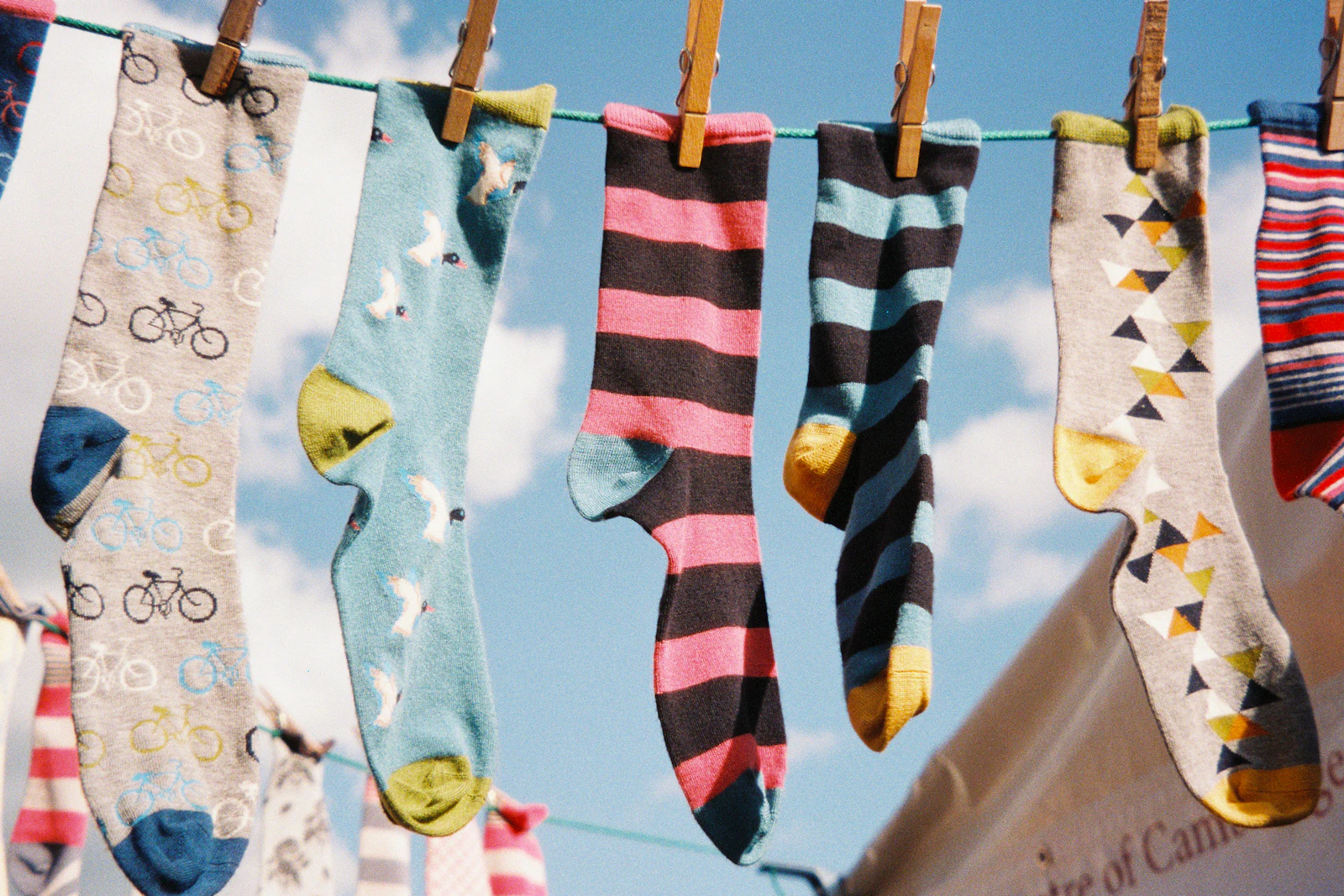


What is hosiery?
Hosiery is the trade term for knitted legwear, such as socks, tights and stockings, and historically also knitted underwear. A hosier was a maker or seller of these goods. Leicester and Nottingham were the centres of the British hosiery industry.
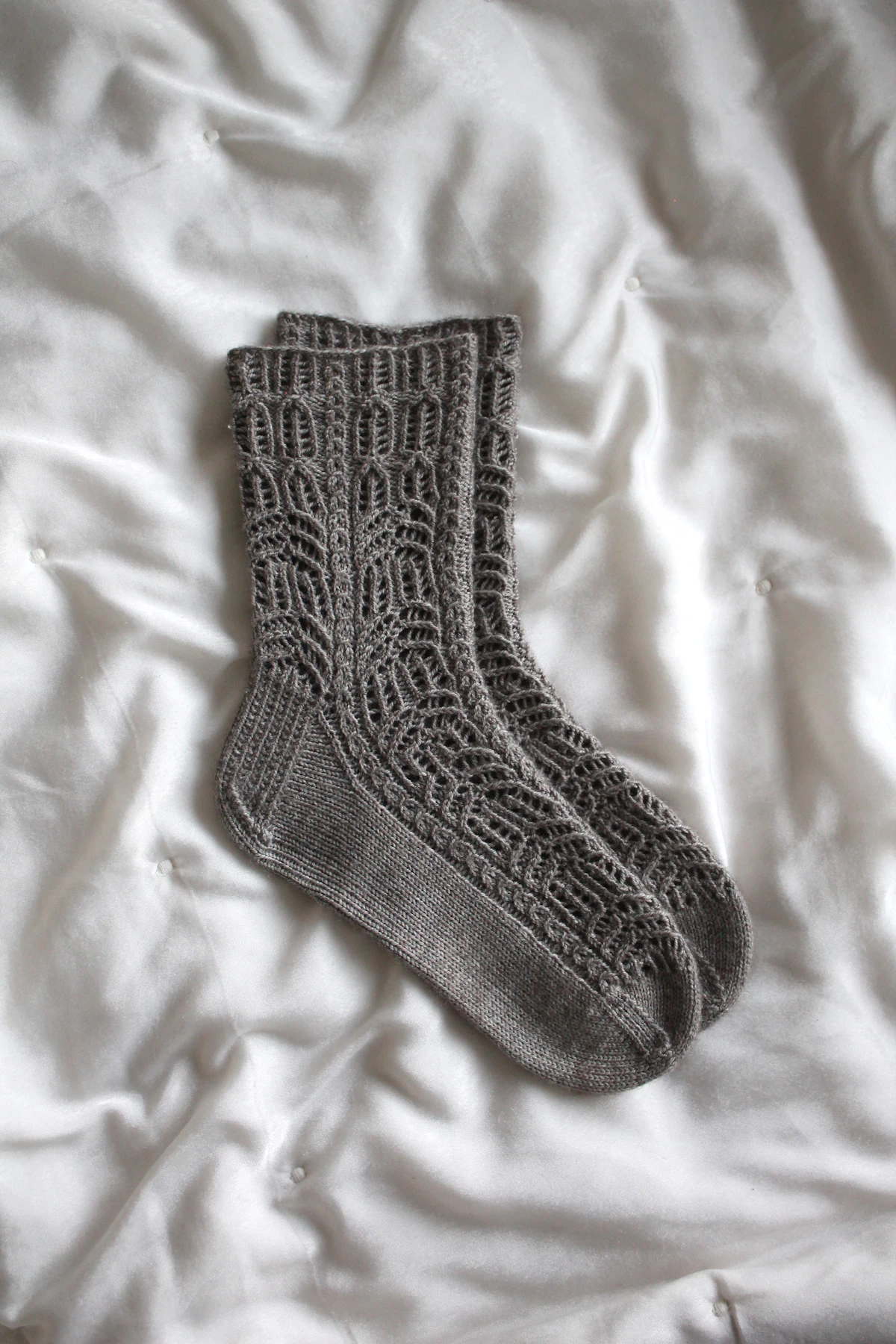
Denier and tights
Denier measures the weight of a fibre: grams per 9,000 metres. In tights, a lower denier is sheerer and a higher denier more opaque. Roughly: up to about 20 denier is sheer, around 30 to 40 is semi-opaque, and 40 and above is opaque. Read our denier guide.
Sock fibres
- Cotton: breathable everyday socks, usually blended with elastane.
- Wool and merino: warm, cushioned and good at managing moisture.
- Nylon (polyamide): adds strength at heels and toes.
- Elastane: keeps socks and tights fitting.
Knitwear: fully fashioned vs cut and sew
Fully fashioned knitwear is knitted to shape, piece by piece, and then linked together, giving neat seams and less waste. Cut and sew knitwear is cut from knitted fabric and sewn on overlockers, which is quicker. Leicester produced both.
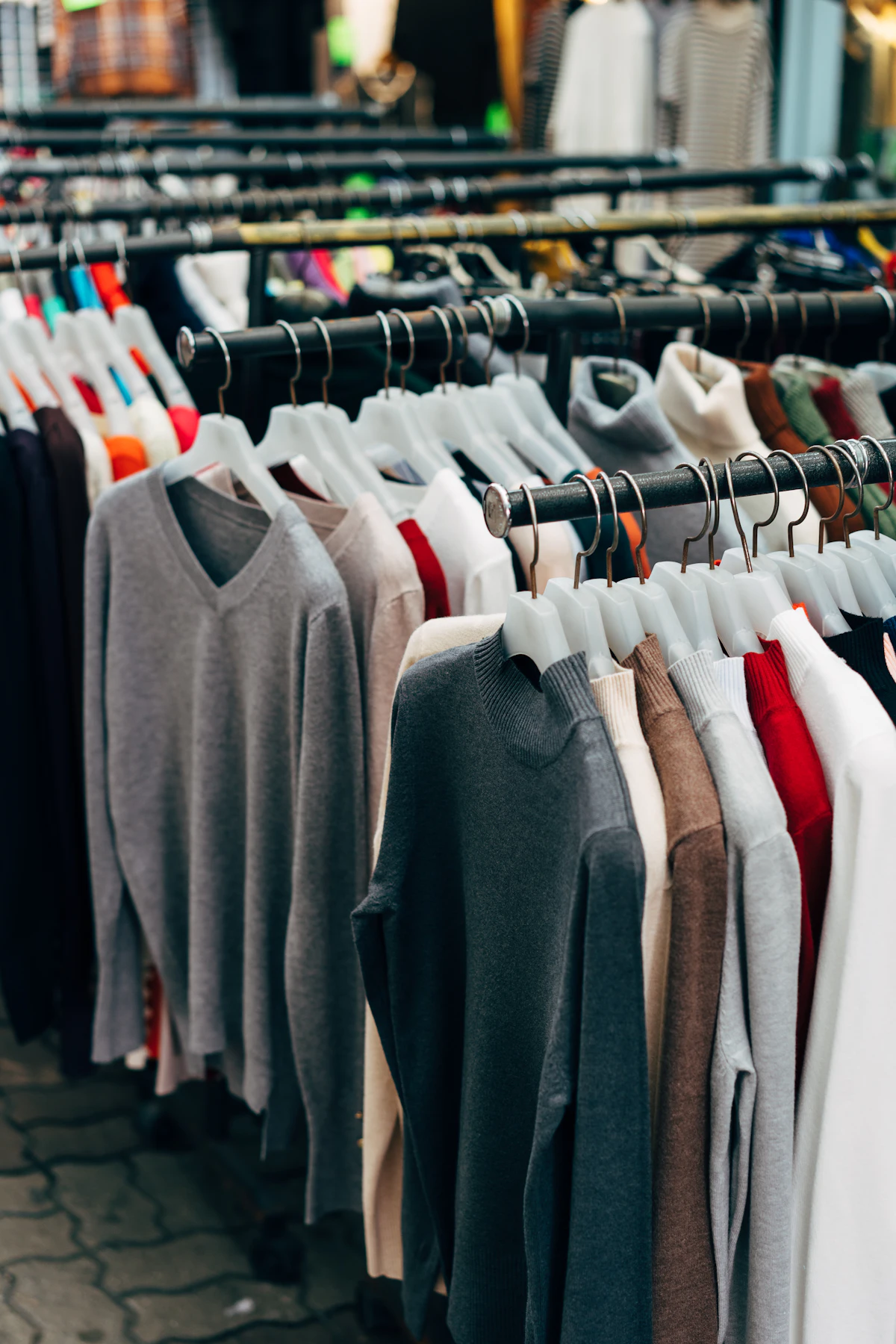
Knitwear care
- Wash inside out, cool, and with a wool-friendly detergent.
- Dry flat to keep shape; never hang wet knits.
- De-pill gently with a fabric comb.
- Fold, don’t hang, and protect from moths.
Leicester’s hosiery trade
Read Leicester’s hosiery heritage for the story of Corah, Wolsey and the framework knitters. For the machines that sew and finish knitwear today, from overlockers to coverstitch, Leicester’s PK Sewing Machines supplies, services and repairs domestic and industrial equipment.
Last updated: 14 October 2026


