Denier in one sentence
Denier is a unit of fibre weight: the mass in grams of 9,000 metres of a yarn. A finer yarn has a lower denier, so tights knitted from it are sheerer.
Sheer to opaque
| Denier | Look | Best for |
|---|---|---|
| Up to about 15 | Ultra-sheer | Formal wear, summer events |
| About 15–20 | Sheer | Everyday office wear |
| About 30–40 | Semi-opaque | Autumn, more durability |
| 40 and above | Opaque | Winter warmth and colour |
| 100+ | Very opaque, thick | Cold weather |
Brands describe their ranges slightly differently, so check the pack.
Fibres used
- Nylon (polyamide): the backbone of most tights, strong and smooth.
- Elastane: gives stretch and recovery for a good fit.
- Microfibre: very fine fibres for soft, matt opaques.
- Wool and cotton blends: warmer winter tights.
How tights are made
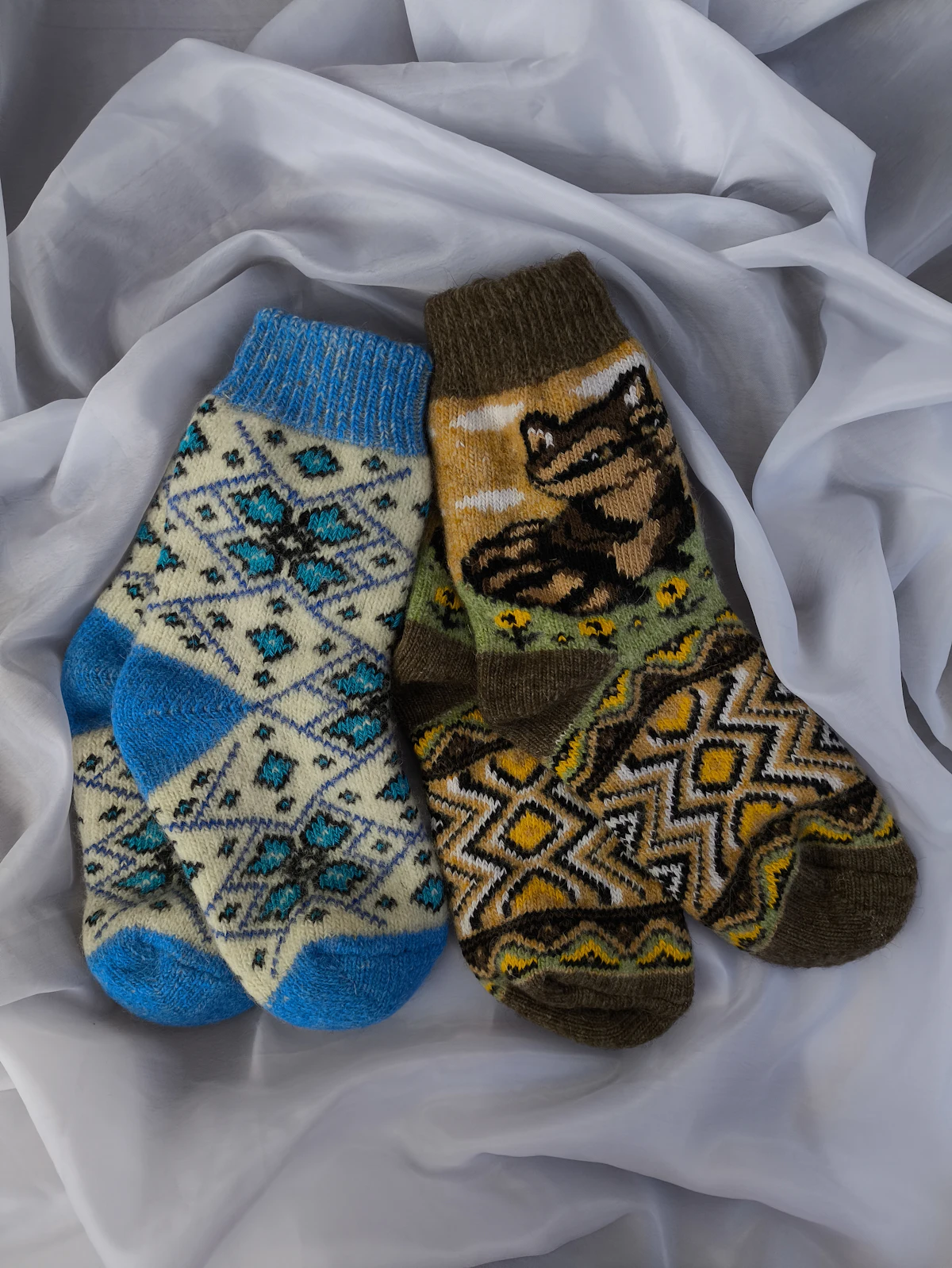
Tights are knitted on fine circular machines as two legs, which are then joined with a gusset and finished, dyed and set to shape. It is the modern descendant of the stocking frame and the Leicester and Nottingham hosiery trade. See how socks are made for a similar process.
Making hosiery last
- Hand wash cool, or use a mesh bag on a delicate cycle.
- Dry flat or hang, away from direct heat.
- Put them on carefully, with smooth hands and no rings.
- Choose a higher denier for everyday durability.
Denier vs decitex
Some packs use dtex (decitex) instead: grams per 10,000 metres. The numbers are similar but not identical, so compare like with like.
Sizing and fit
Hosiery is sized by height and weight or hip measurement. If you are between sizes, the larger usually lasts longer and is more comfortable. Look for reinforced toes and comfortable waistbands.
Leicester and hosiery
The word “hosiery” is woven into Leicester’s history. Read Leicester’s hosiery heritage. For the machines behind knitwear and garment finishing today, PK Sewing Machines in Leicester sells, services and repairs domestic and industrial equipment.
Last updated: 14 October 2026


