1. Choosing the yarn
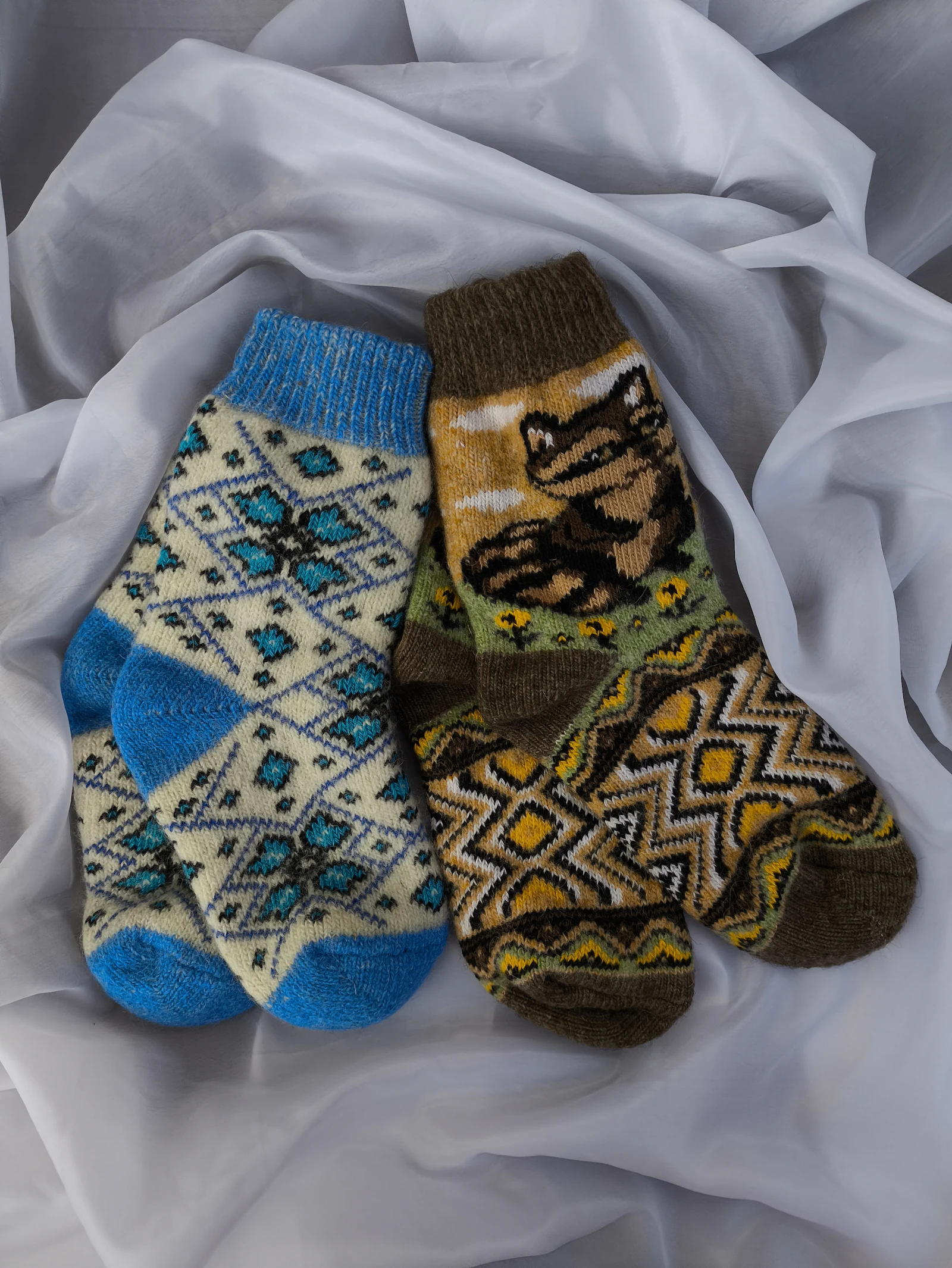
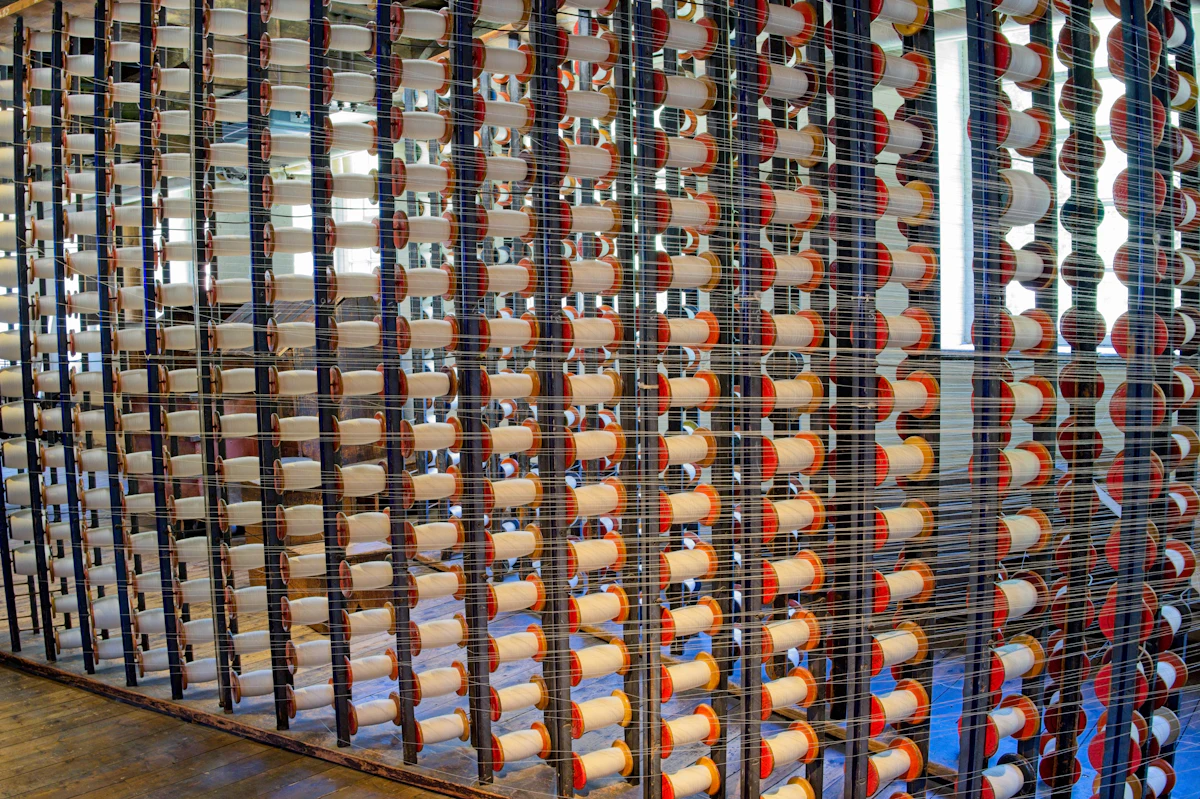
Socks usually blend a main fibre (cotton, wool or merino) with nylon for strength and elastane for stretch. Sports socks may add cushioning yarns in the sole.
2. Knitting on a circular machine
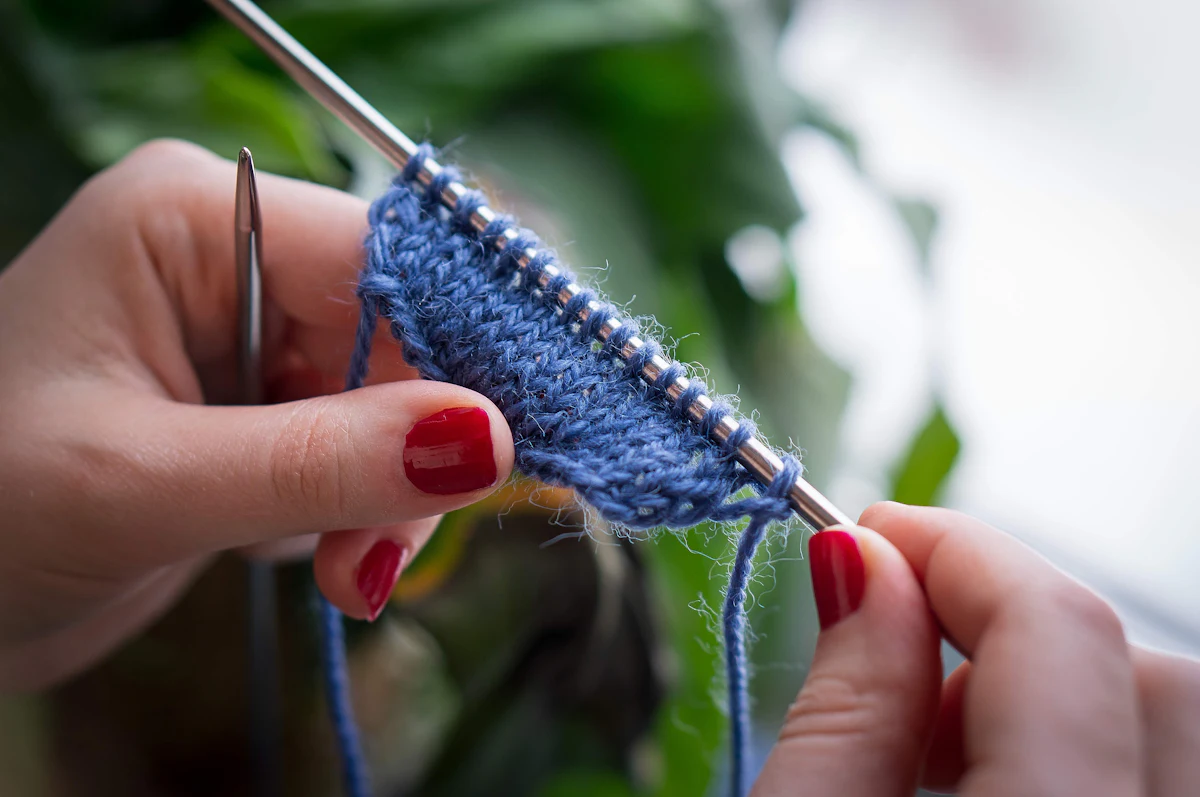
A circular sock machine knits the sock as a tube, usually from the cuff (welt) down. The machine automatically changes stitch to knit ribbing, shapes the heel by knitting back and forth on some needles, continues down the foot and shapes the toe. Patterns and logos are knitted in using different yarn feeders.
3. Closing the toe
The tube comes off the machine open at the toe. It is closed by linking (joining loop to loop for a flat, comfortable seam) or by sewing on a toe-closing machine. Many modern machines close the toe automatically.
4. Washing and boarding
Socks may be washed or dyed, then boarded: pulled onto flat foot-shaped forms and set with heat and steam so they hold their shape.
5. Pairing, labelling and packing
Socks are inspected, paired, labelled and packed. Quality checks look for holes, dropped stitches and sizing.
Seamless toes and comfort
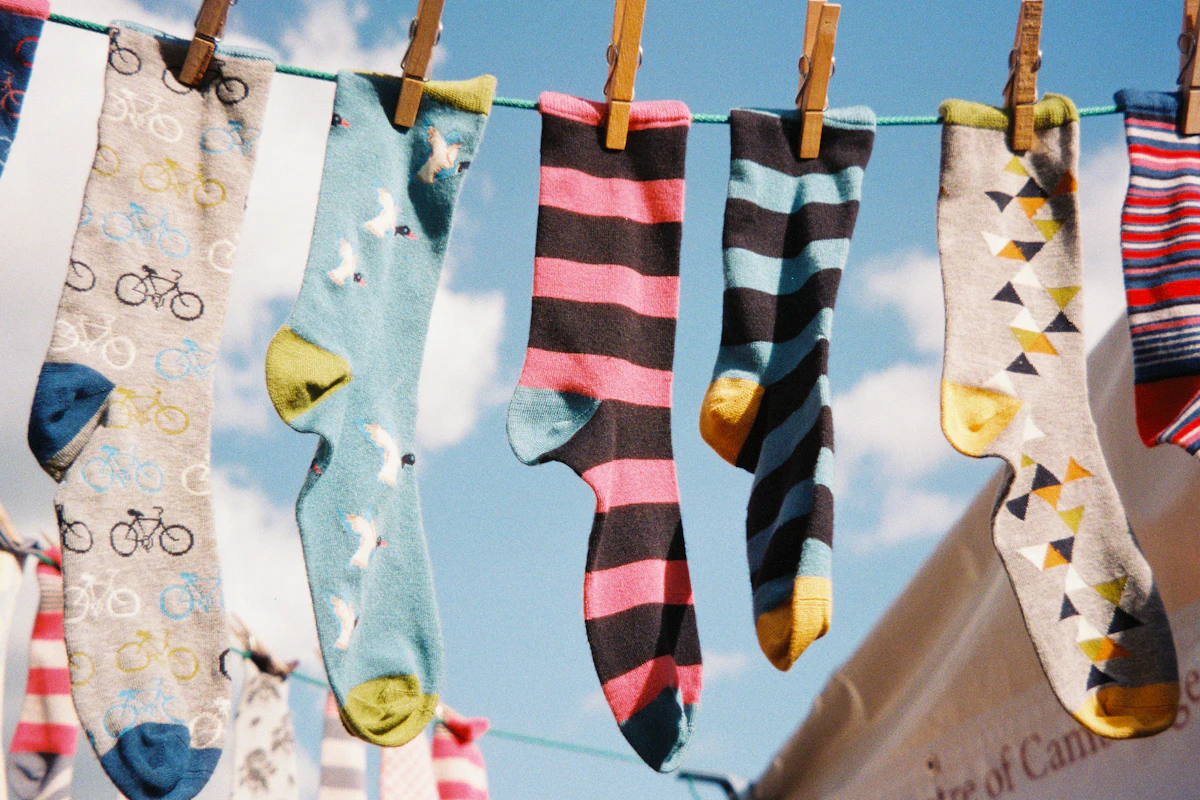
A bulky toe seam can rub. Hand-linked or machine-linked toes join loop to loop for a flat seam and are a sign of a well-made sock. Many modern machines close the toe automatically with very little bulk.
Sizing and shaping
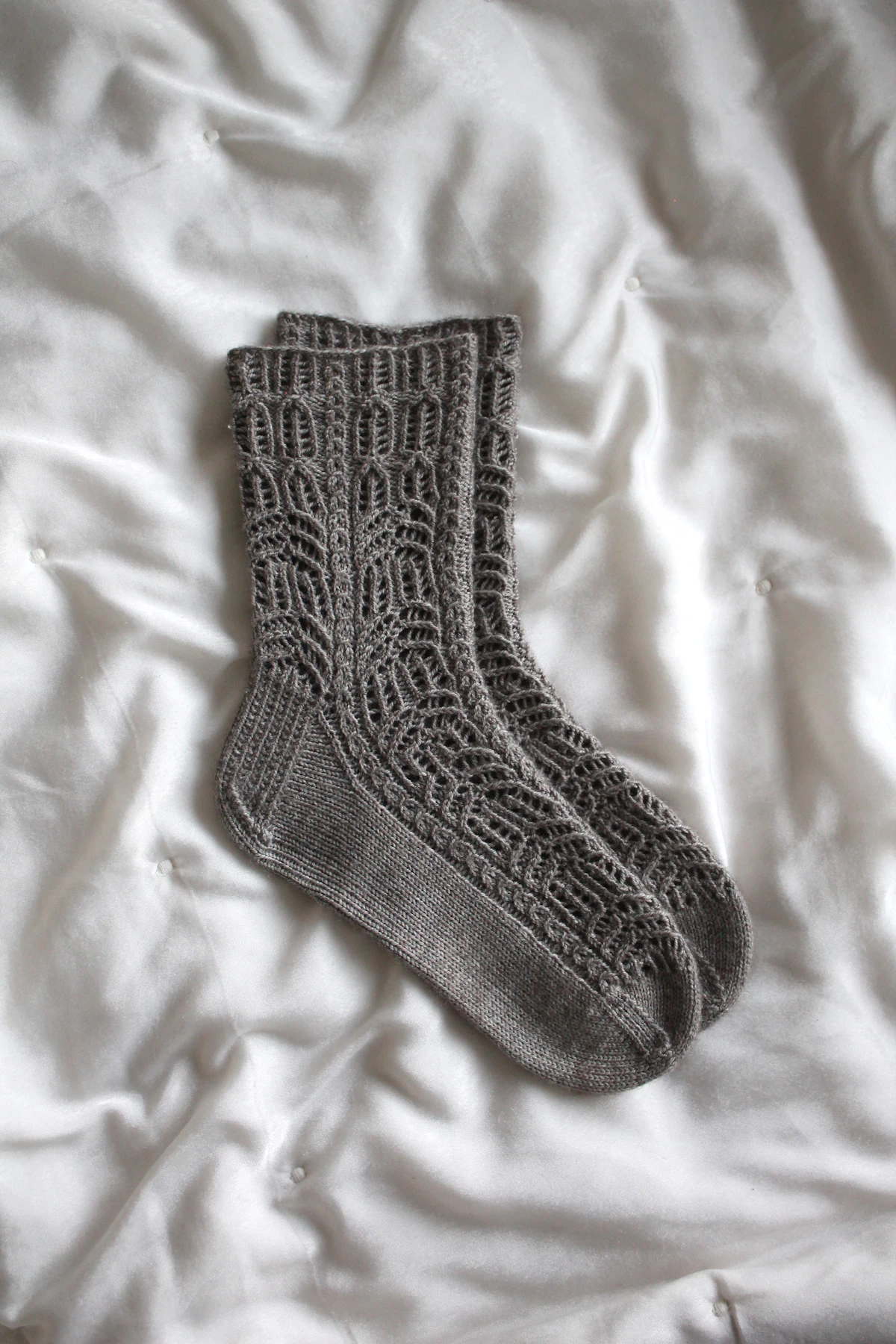
Socks are usually knitted as a tube with a shaped heel and toe; boarding sets the final foot shape. Sock sizes cover a range of shoe sizes, and stretch from elastane makes the fit work across that range.
Why some socks last longer
Durable socks have a higher proportion of nylon at the heel and toe, a dense knit, and good-quality yarn. Reinforced heels and toes, linked toe seams and a well-set shape are all signs of quality.
From Leicester frames to modern machines
The East Midlands made stockings and socks for centuries, first on hand frames and then in factories. Read Leicester’s hosiery heritage and William Lee’s stocking frame. Leicester’s PK Sewing Machines supports today’s knitwear and garment makers with machines, parts and call-outs.
Last updated: 14 October 2026


