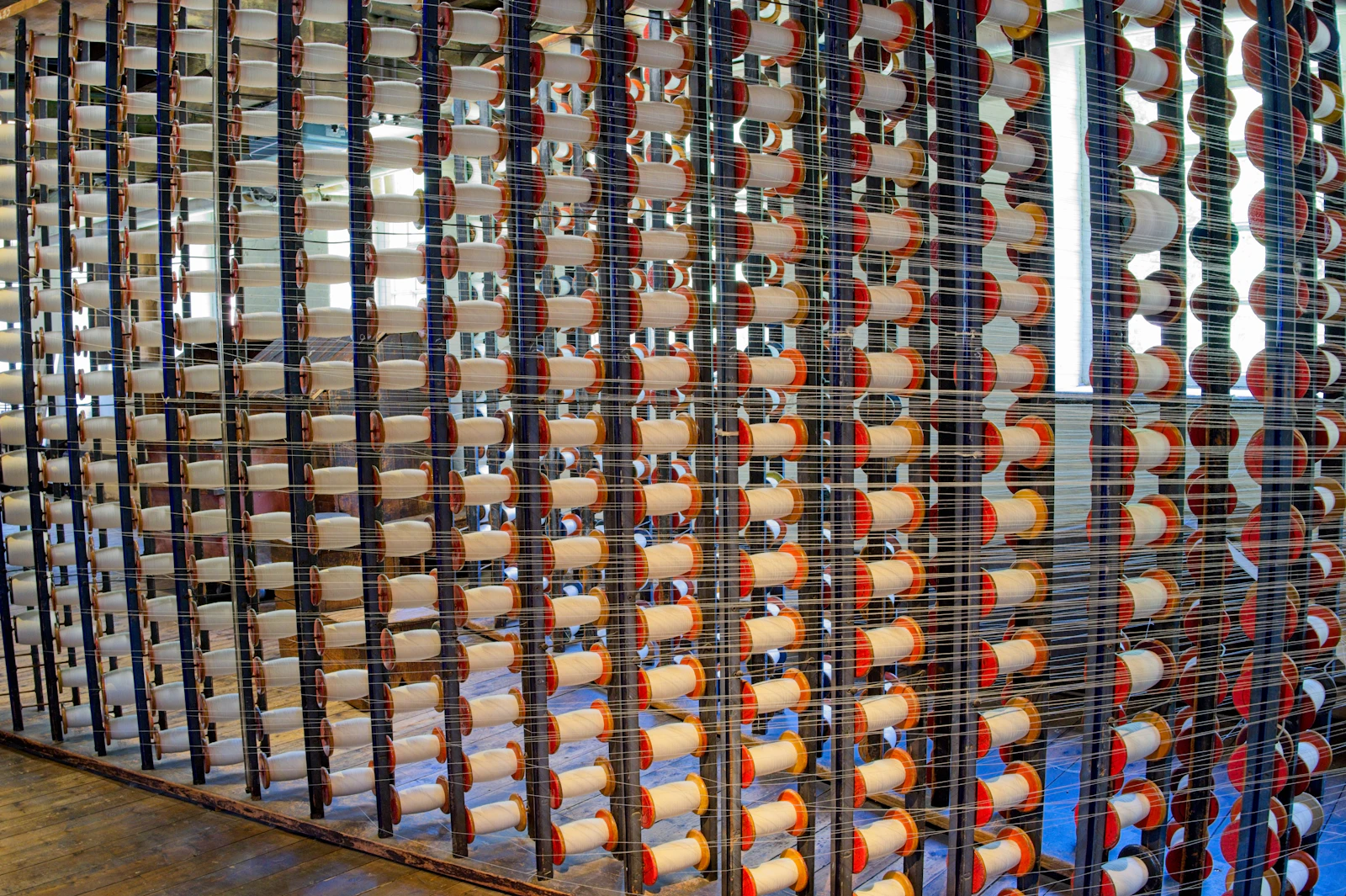
Weft knitting in a nutshell
Knitting machines form loops with rows of latch needles (or bearded needles on older frames). Each needle catches yarn, pulls a new loop through the old one, and the fabric grows row by row. This is the principle William Lee mechanised with the stocking frame in 1589.
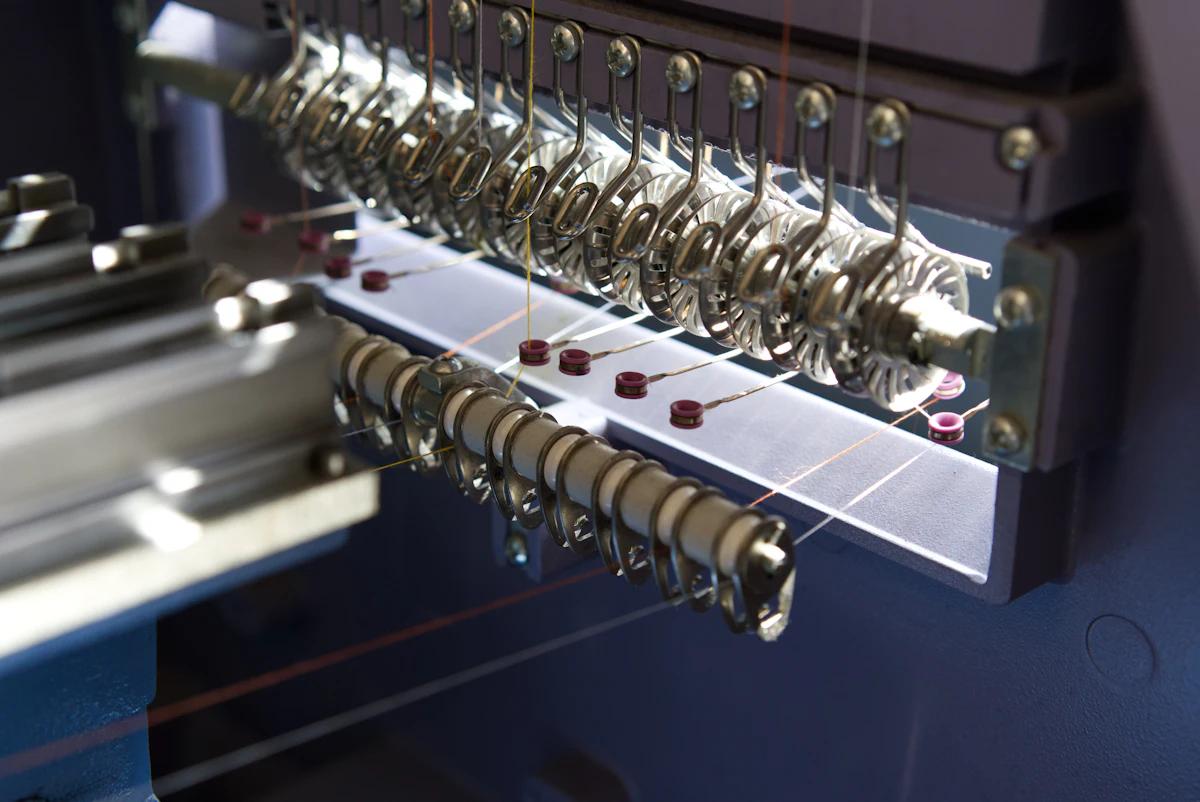
Domestic flatbed machines
Home knitting machines have a flat bed of needles and a carriage pushed across by hand. Many second-hand machines are still in use; they knit jumpers far faster than by hand. Ribbers add a second bed for ribbing and double knits. Parts and manuals are often found through knitting machine clubs and specialist dealers.
Circular machines: socks and tights
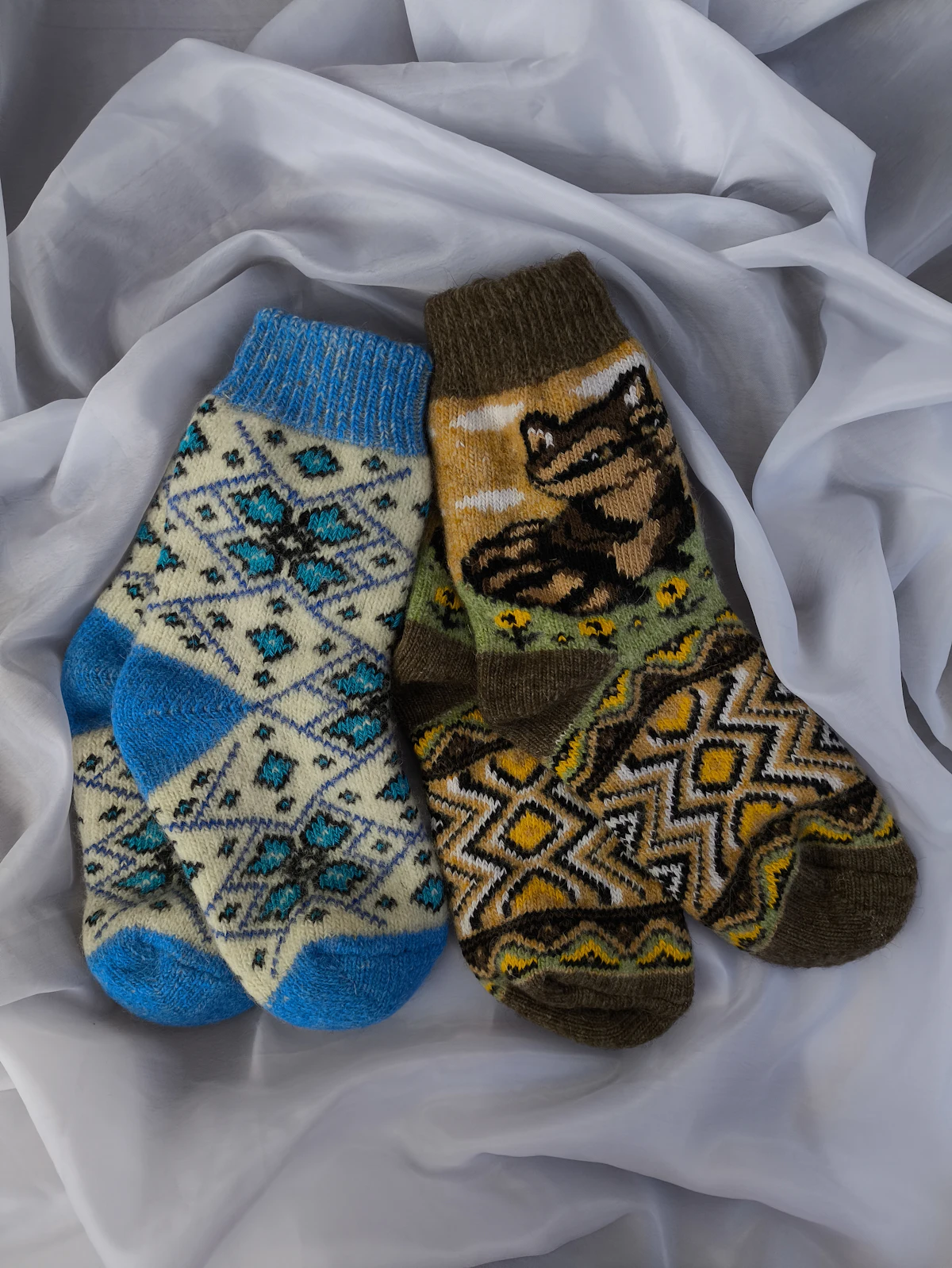
Socks, tights and seamless garments are knitted on circular machines, which knit a continuous tube. Sock machines shape the heel and toe automatically; the toe is then closed by linking or seamless toe-closing. See how socks are made.
Industrial flat knitting
Modern electronic flat knitting machines produce jumpers, cardigans and even whole garments with minimal sewing. Garment pieces are then joined on linking machines, overlockers and coverstitch machines.
Knitting machines in Leicester
Leicester’s factories once ran thousands of knitting machines; read the heritage. Today the city’s knitters still need sewing and finishing machines, needles and parts, supplied by specialists such as PK Sewing Machines.
Last updated: 14 October 2026


