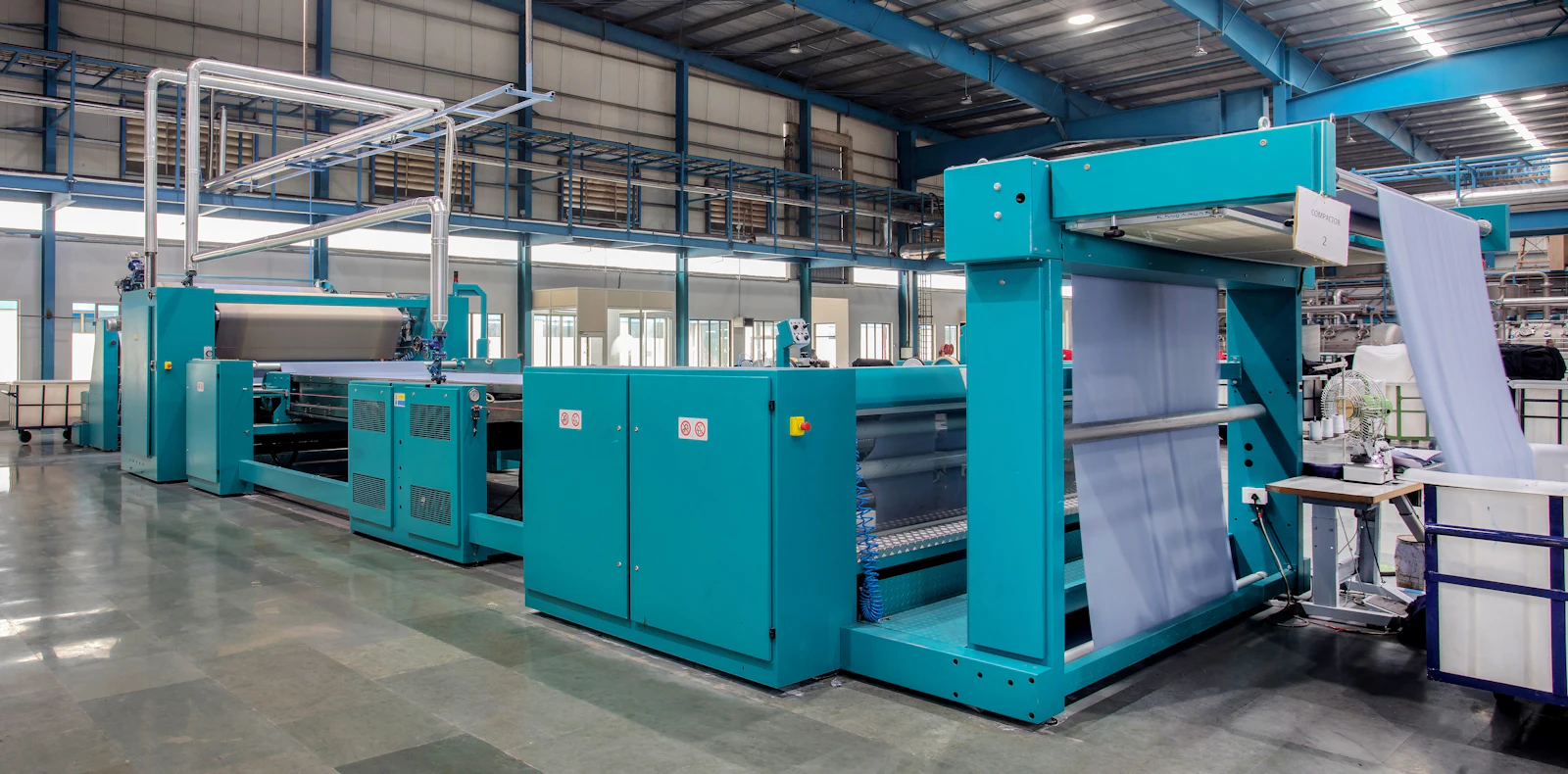


The main types
- Single-needle lockstitch: the backbone of most workrooms, for straight seams at high speed.
- Overlock and safety stitch: neatens and seams knitted and woven fabrics.
- Interlock and coverstitch: hems and flat seams for jersey, sportswear and underwear, a staple of the hosiery and knitwear trade.
- Walking foot and compound feed: for leather, upholstery and heavy layers.
- Specialist machines: buttonhole, button sew, bar tack, blind hem and chainstitch.
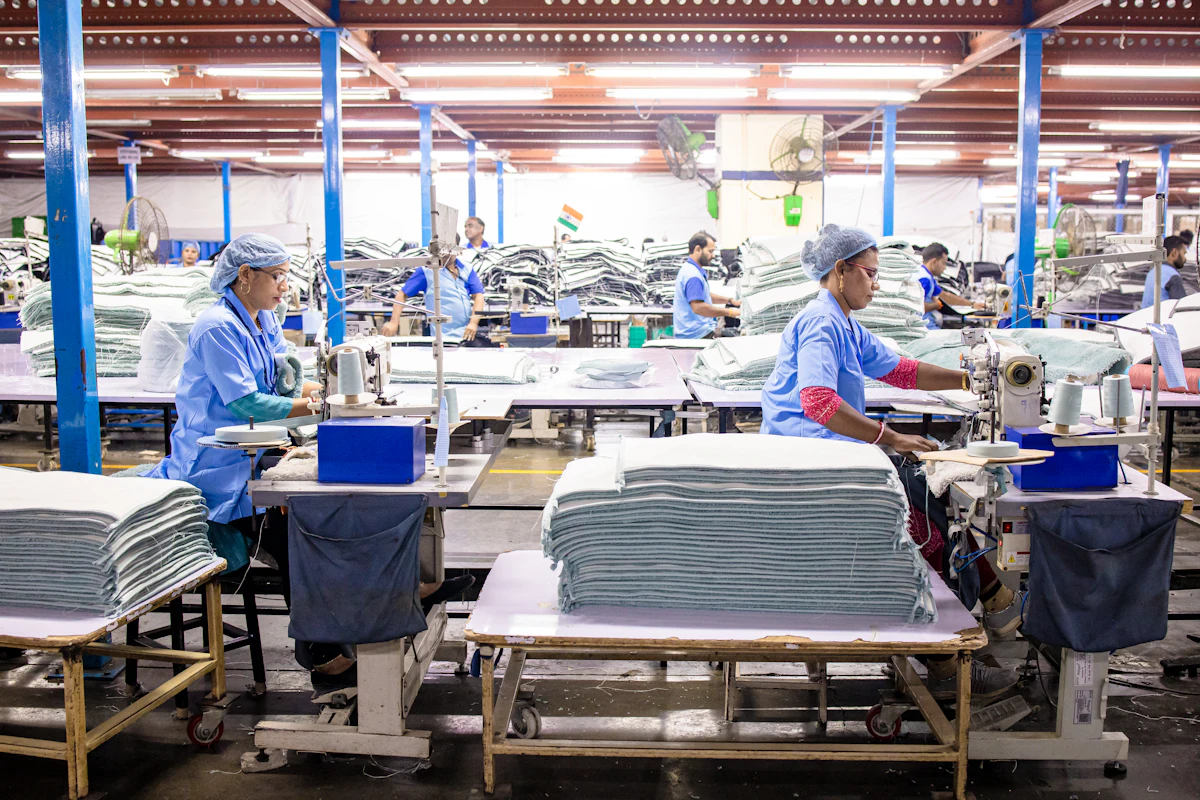
Motors, tables and set-up
Most modern industrial machines are sold as a head, table and motor. Servo motors are quieter and use less power than traditional clutch motors, and give finer speed control at low revs. Check the table height, the knee lifter and that the machine is level, and make sure the electrical supply suits the motor.
Maintenance and downtime
Industrial machines need daily oiling (unless they are dry-head models), regular cleaning of lint around the hook and feed dogs, and periodic timing checks. A stocked parts supplier and an engineer who can come out to you keep downtime short.
Brands you will see
Juki, Jack, Brother, Yamato and Pfaff are all common in UK industrial settings. Parts availability matters more than the badge: ask a dealer which models they can support. See our brand reviews.
Setting up a small workroom
- Start with a lockstitch and a 4-thread overlocker; add coverstitch if you sew jersey.
- Plan power points, lighting and cutting space before machines arrive.
- Buy from a dealer who can deliver, set up and service.
- Keep a spares box: needles, bobbins, belts and the feet you use most.
Used industrial machines
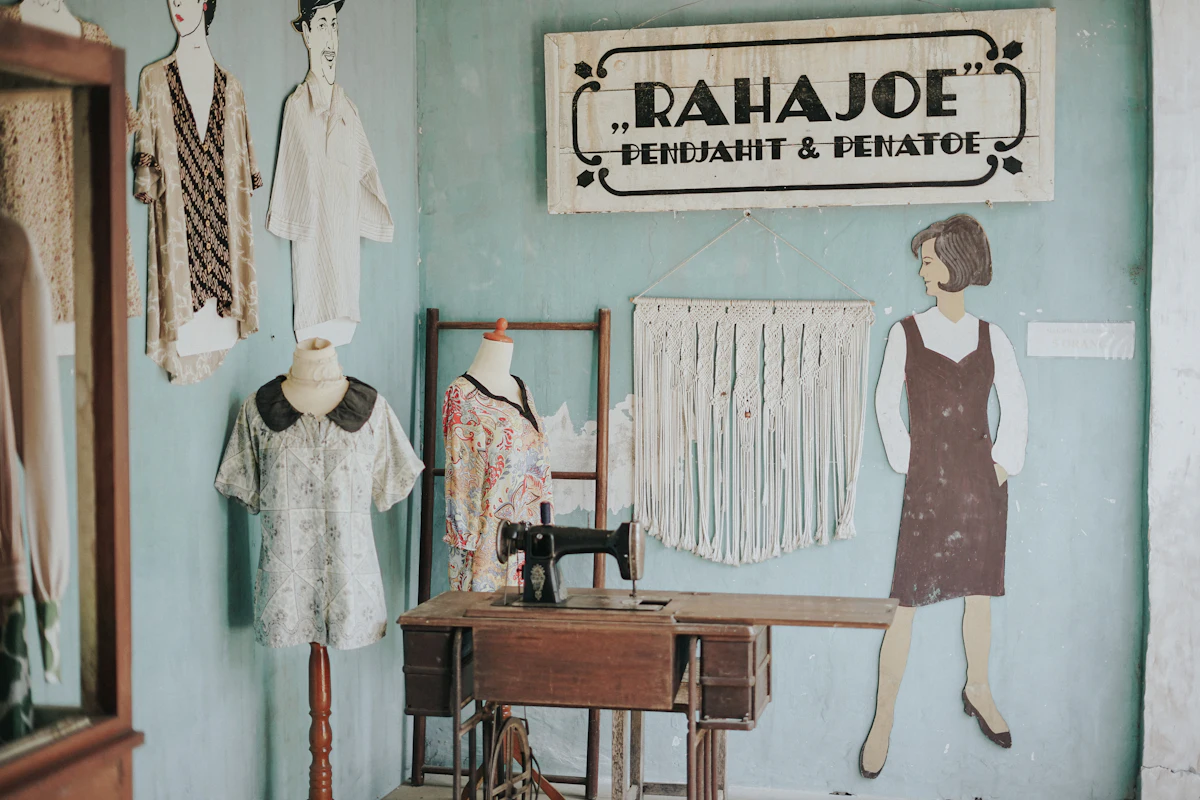
Used industrial machines from closing factories can be excellent value, but check the head turns freely, the hook isn’t damaged and the motor runs quietly. A dealer who tests and services them first takes the risk out. PK Sewing Machines sells new and used industrial equipment in Leicester.
Last updated: 14 October 2026


