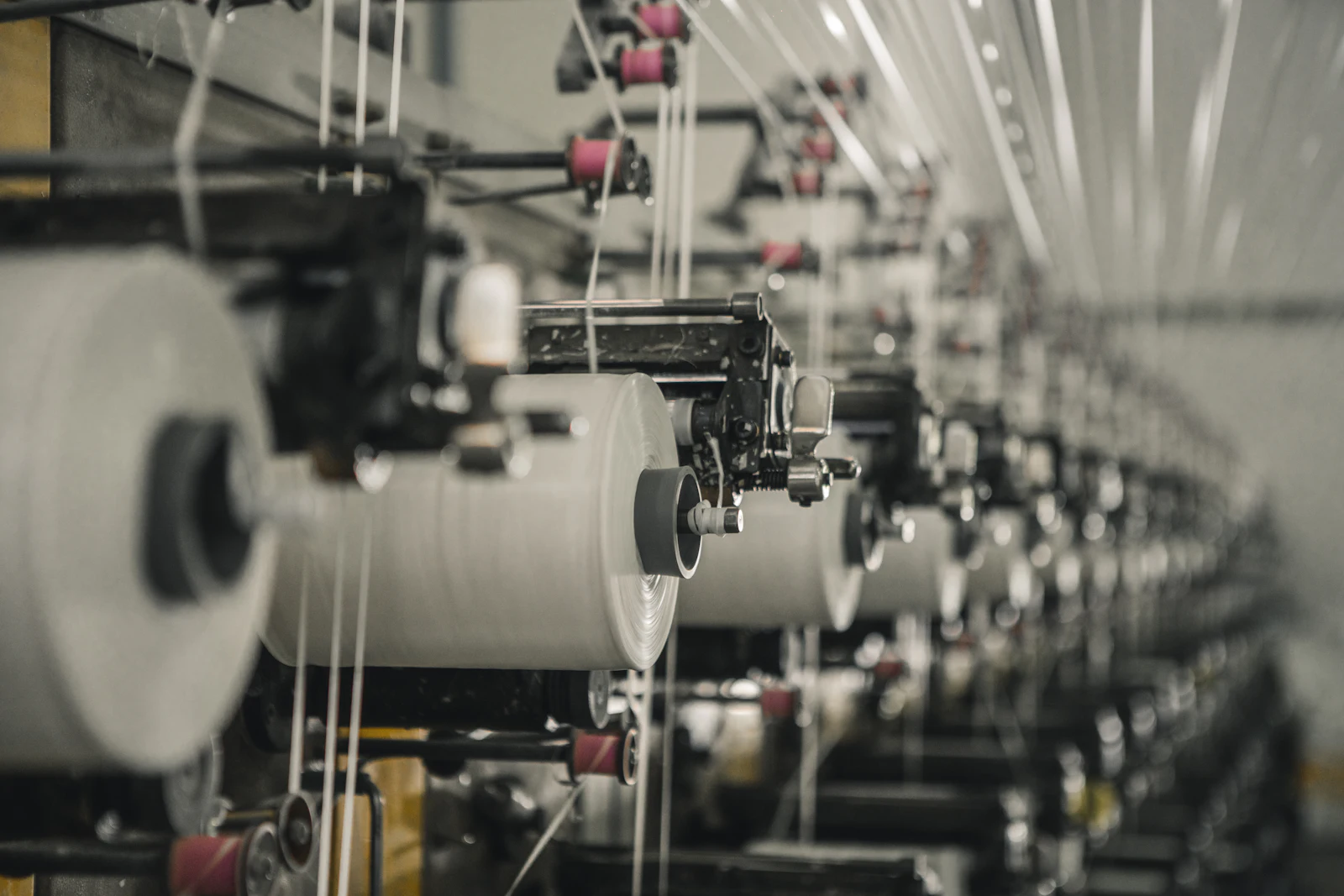
Daily
- Check the oil level and oil where the manual says (not needed on dry-head models).
- Brush lint from the hook, bobbin area and feed dogs.
- Check the needle for damage.
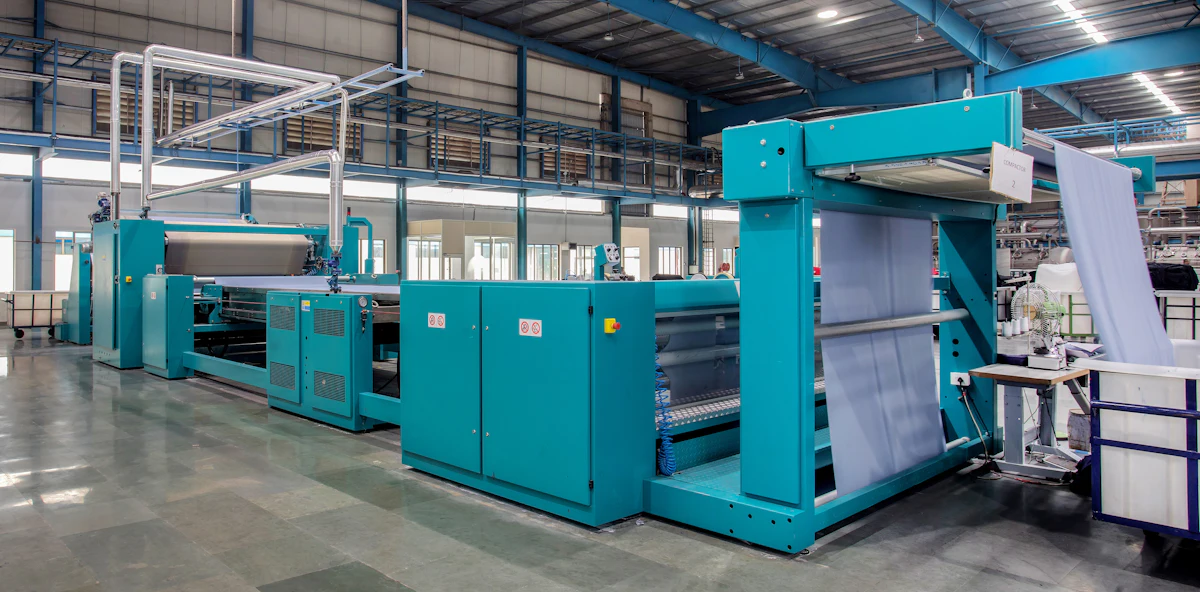
Weekly
- Clean under the needle plate.
- Check belts for wear and correct tension.
- Wipe away excess oil to keep it off the work.
Periodically
Have an engineer check timing, tension and feed, change oil in machines with a sump, and inspect the motor. Keep a log for each machine.
Spares to keep in stock
Needles in your sizes, bobbins, a spare bobbin case, belts and the presser feet you use most. A good parts supplier will help you build a kit.

Keep a maintenance log
Record each machine’s make, model, serial number, service dates, parts replaced and faults. It speeds up diagnosis, helps an engineer, and shows which machines are costing you most.
Oil: the right type and amount
Use the oil the manufacturer recommends, usually a clear white sewing machine oil. Machines with an oil sump need the level checking regularly and the oil changing periodically. Too much oil can stain work; too little causes wear.

Belts, motors and pedals
Check the drive belt for cracks, fraying or slipping. Servo motors need little maintenance but check connections and settings. Clutch motors need their brake and clutch linings checking. Keep pedals and linkages free.
Train your operators
Operators who know how to thread correctly, change needles, clean daily and report unusual noises early save the most downtime. A short checklist on each machine helps.
Common industrial faults
- Skipped stitches: wrong needle system or size, damaged needle, or timing out.
- Thread breaks: burrs on the hook or needle plate, poor thread, tension too tight.
- Noise: lack of oil, worn parts or a loose belt.
- Oil on work: over-oiling or a leaking sump seal.

Engineering support
PK Sewing Machines offers on-site industrial call-outs across the East Midlands and stocks trade parts for lockstitch, overlock and coverstitch machines. Leicester’s hosiery and knitwear factories have kept engineers like these busy for generations. See our industrial guide.
Last updated: 14 October 2026


