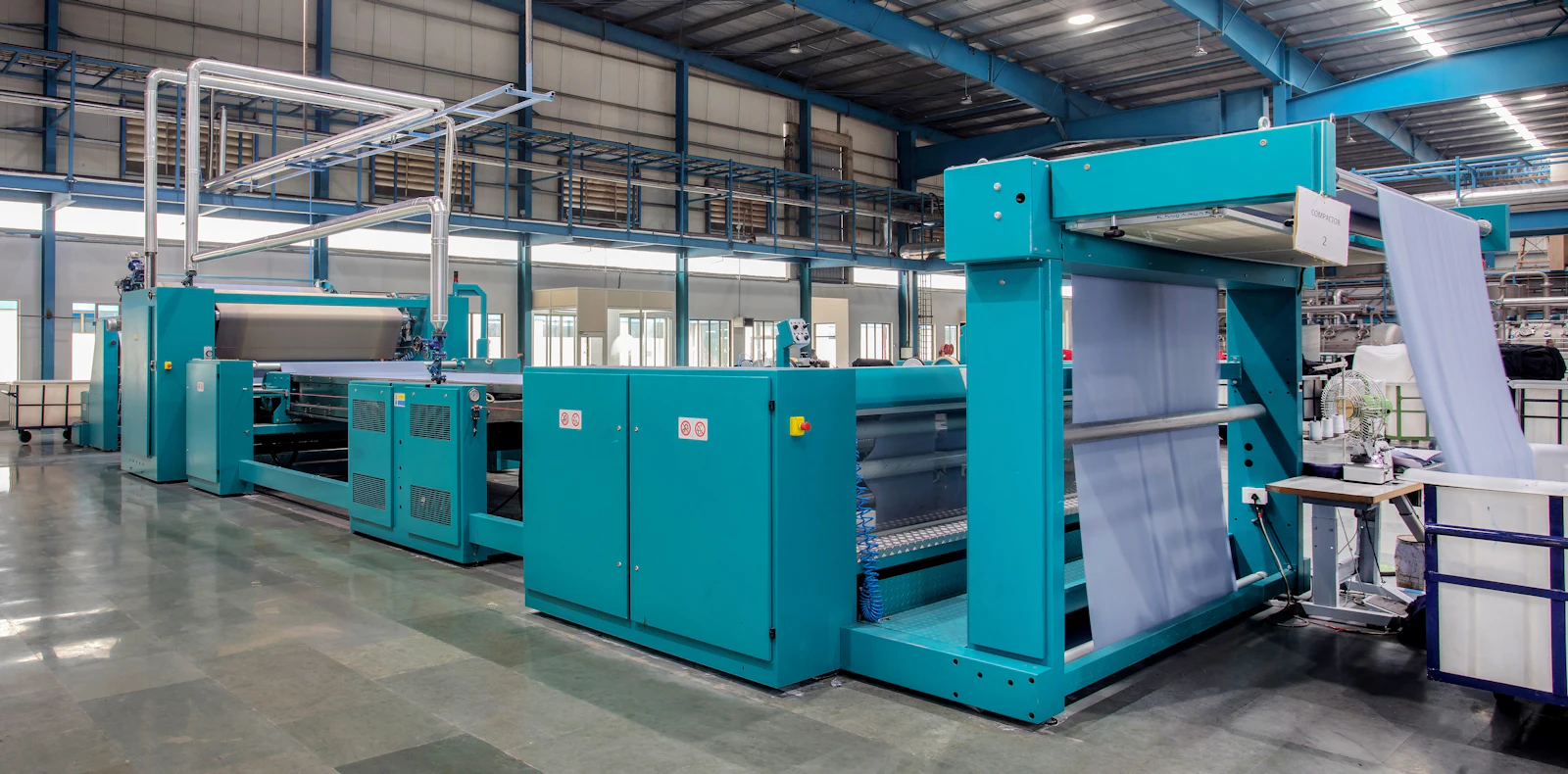
Built for different jobs
A domestic machine does many things reasonably well: straight stitch, zigzag, buttonholes, decorative stitches. An industrial machine usually does one job extremely well, all day, at high speed. That is why workrooms have separate lockstitch, overlock and coverstitch machines.
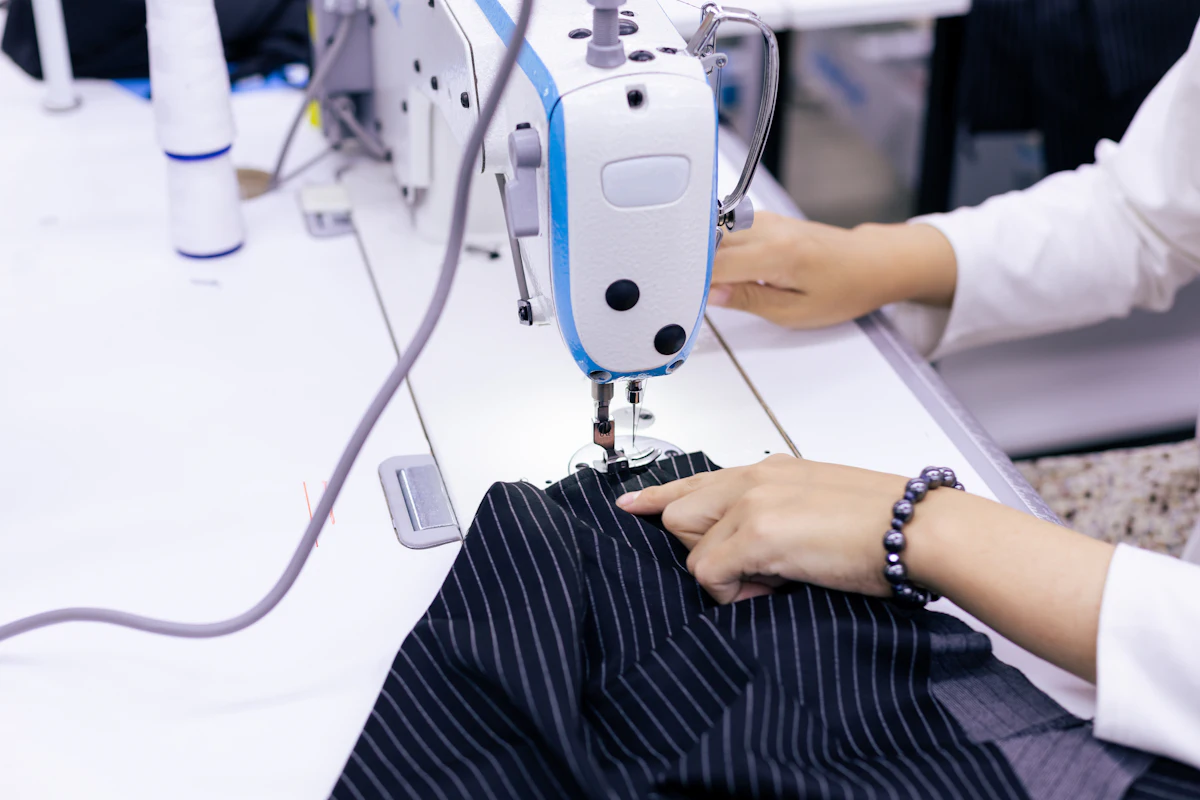
Speed and control
Industrial machines sew far faster than domestic ones. Modern servo motors make them controllable at low speeds too, which is why many home sewers now use them.
Space, weight and noise
An industrial machine comes on its own table with a motor underneath. It needs floor space and is heavier to move. Servo models are much quieter than old clutch motors.
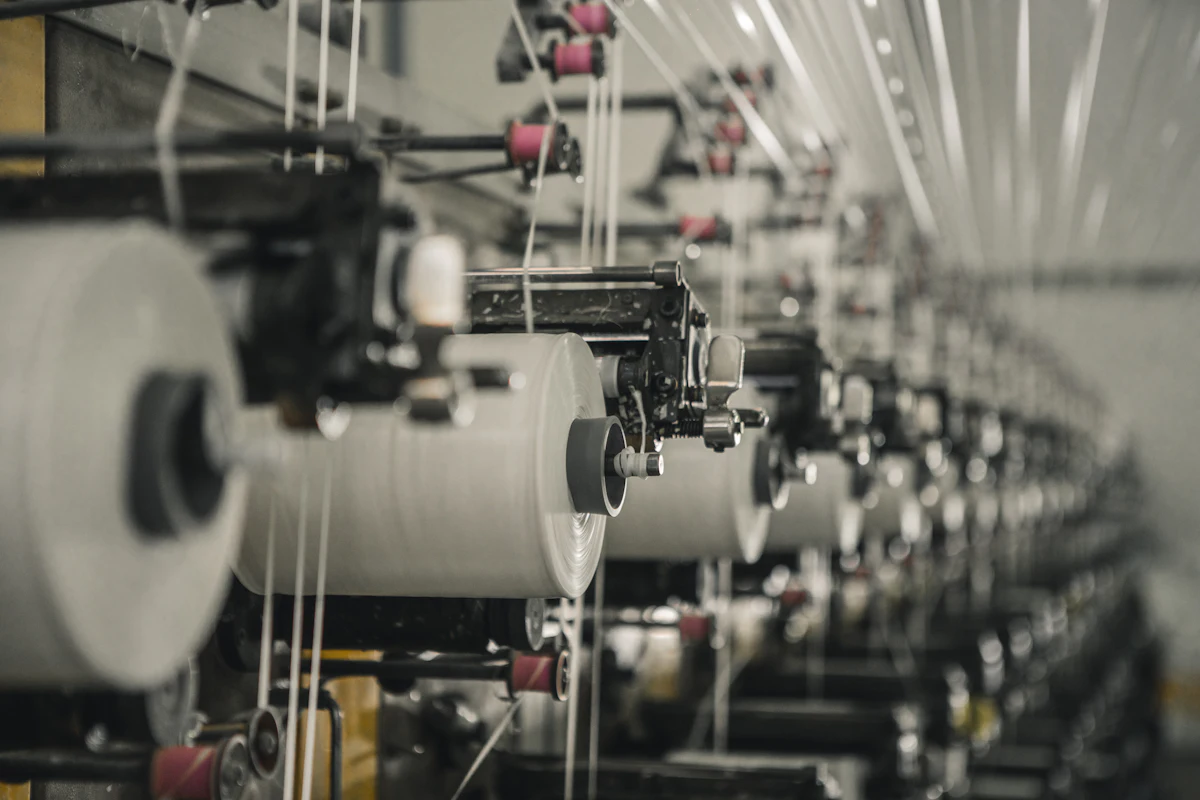
Running costs
Industrial machines use their own needle systems (for example DBx1 for many lockstitch machines) and need regular oiling unless they are dry-head models. Parts are widely available through trade suppliers.
Side by side
| Domestic | Industrial | |
|---|---|---|
| Stitches | Many, on one machine | Usually one type per machine |
| Speed | Moderate | Very high, controllable with servo motors |
| Needles | 130/705H (flat shank) | Round shank systems such as DBx1, DCx27 |
| Set-up | Portable, on any table | Fixed table and motor |
| Maintenance | Periodic service | Daily oiling (unless dry-head) and regular checks |
Semi-industrial and heavy-duty options
Between the two sit heavy-duty domestic machines and portable “semi-industrial” straight-stitch machines. They suit home sewers who want speed and power without a full industrial table.
Who should consider an industrial machine?
- Small businesses: alterations, curtains, upholstery, bags and clothing makers.
- Home sewers who sew a lot of straight seams and want speed and consistency.
- Anyone working regularly with heavy fabrics, many layers or leather (choose a walking foot model).
If you mostly sew a variety of small projects, buttonholes and decorative stitches, a good domestic machine is usually more practical.
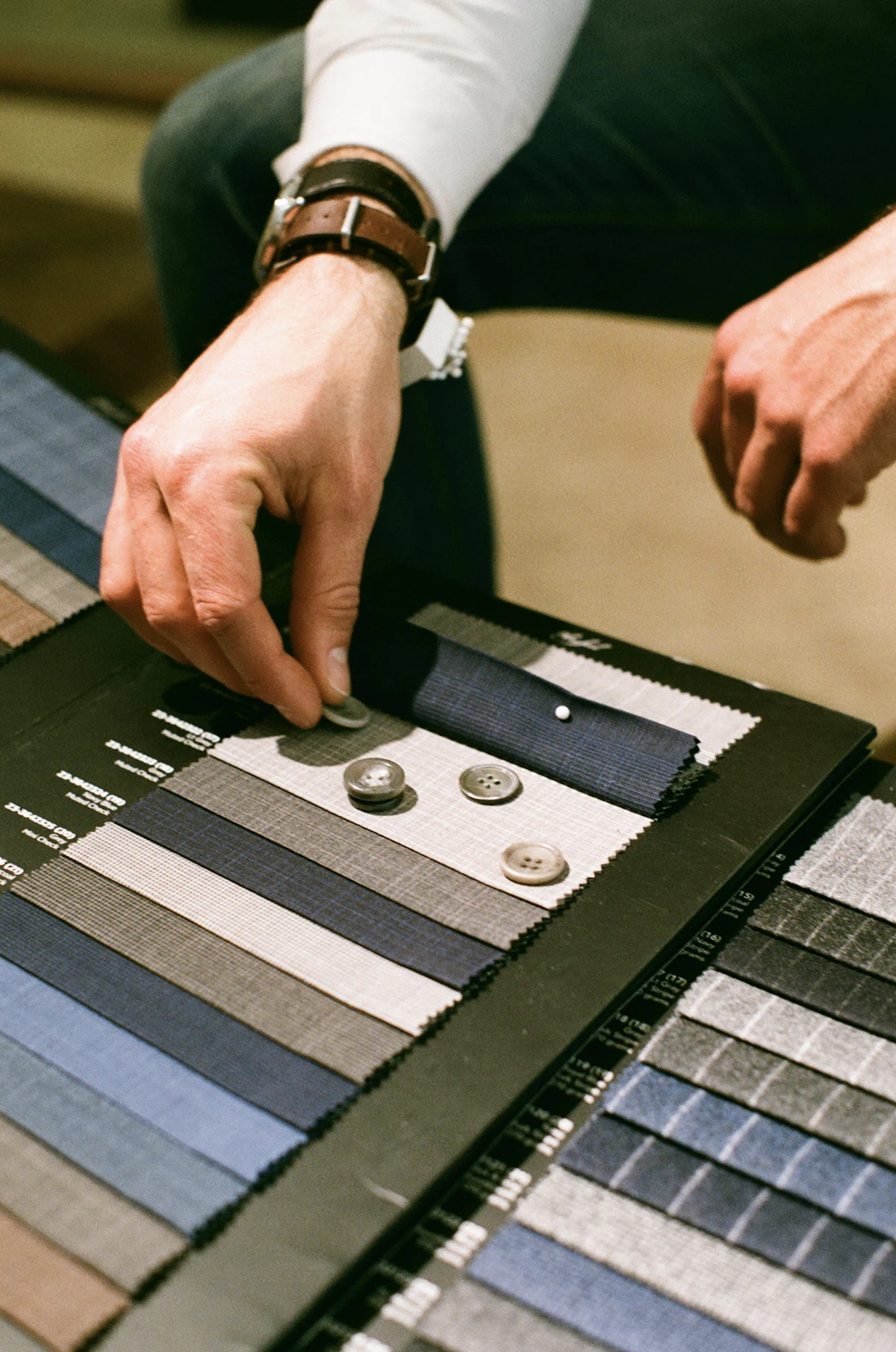
Noise and space at home
Clutch motors spin all the time and hum; servo motors only run when you press the pedal, so they are much quieter and better for homes. An industrial table is roughly a desk in size. Check the room has a sturdy floor, good light and a nearby socket.
Get advice from the trade
Leicester’s hosiery and garment trade has relied on industrial machines for generations. PK Sewing Machines supplies both domestic and industrial machines and can help you decide. See our industrial guide.
Last updated: 14 October 2026


