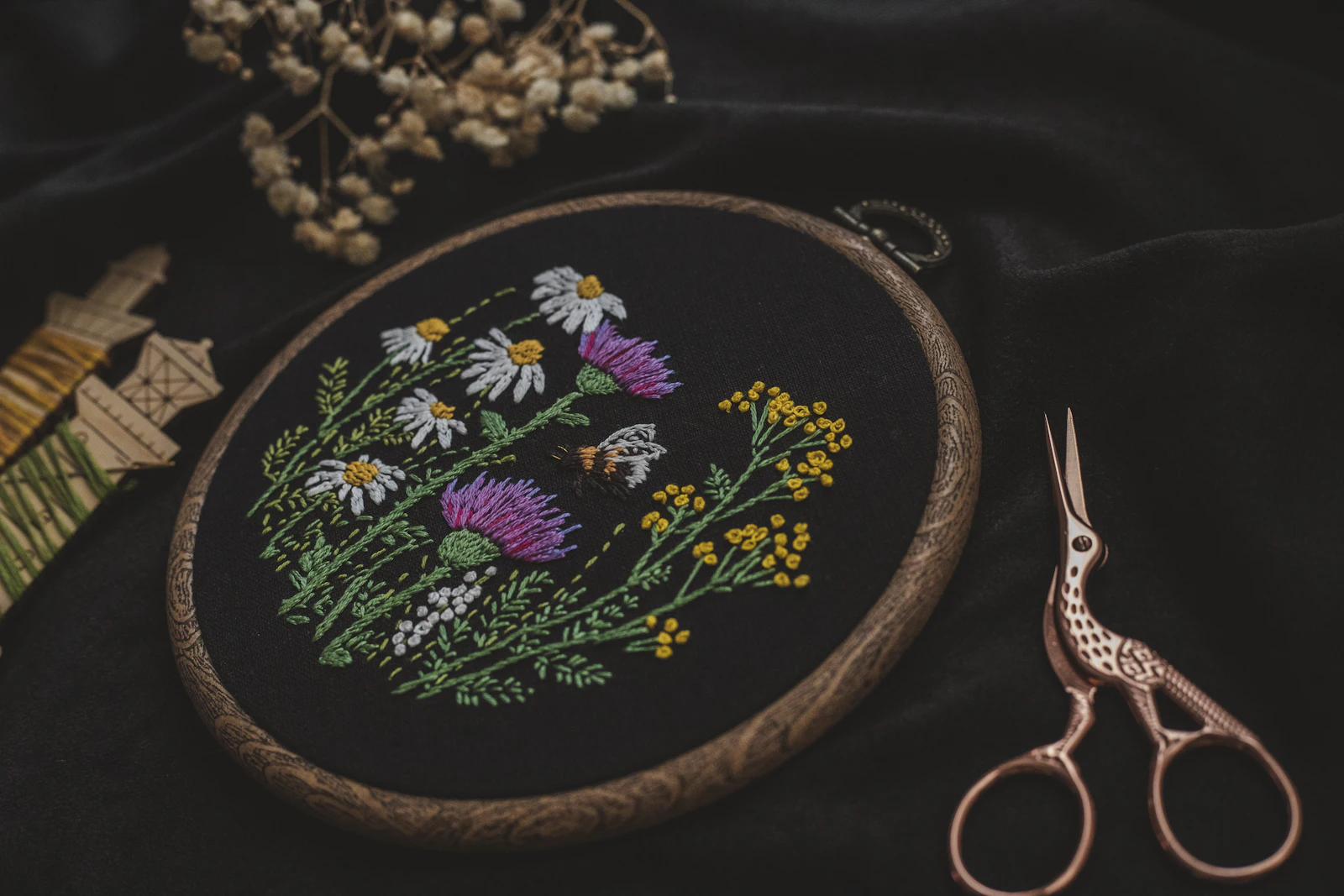
Overlockers (sergers)
An overlocker stitches, trims and neatens a seam in one pass using three or four threads (some use five). It is the machine that makes home-sewn T-shirts and jersey dresses look shop-bought. Look for differential feed, which stops knits stretching or puckering, and easy lower-looper threading.
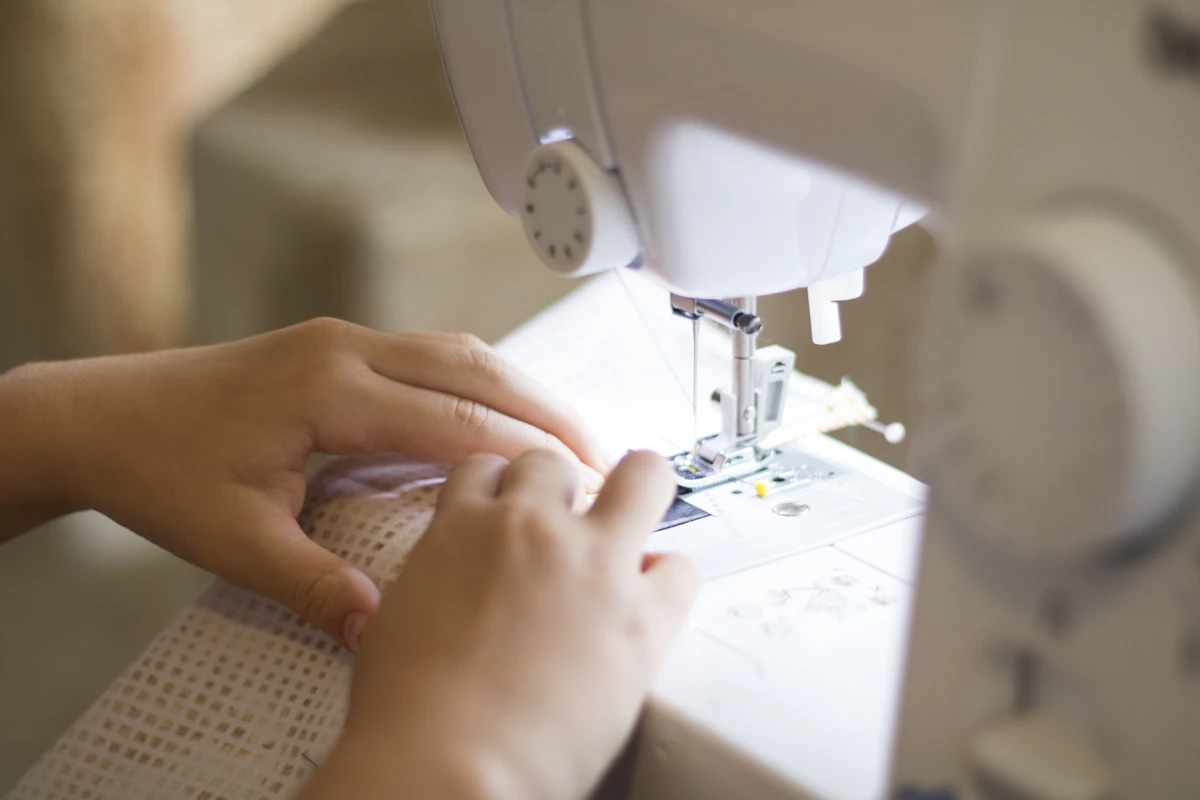
Coverstitch
Coverstitch machines sew the parallel rows of stitching you see on T-shirt hems, with a chain on the back that stretches. Some machines combine overlock and coverstitch, but switching between modes takes time.
Embroidery machines
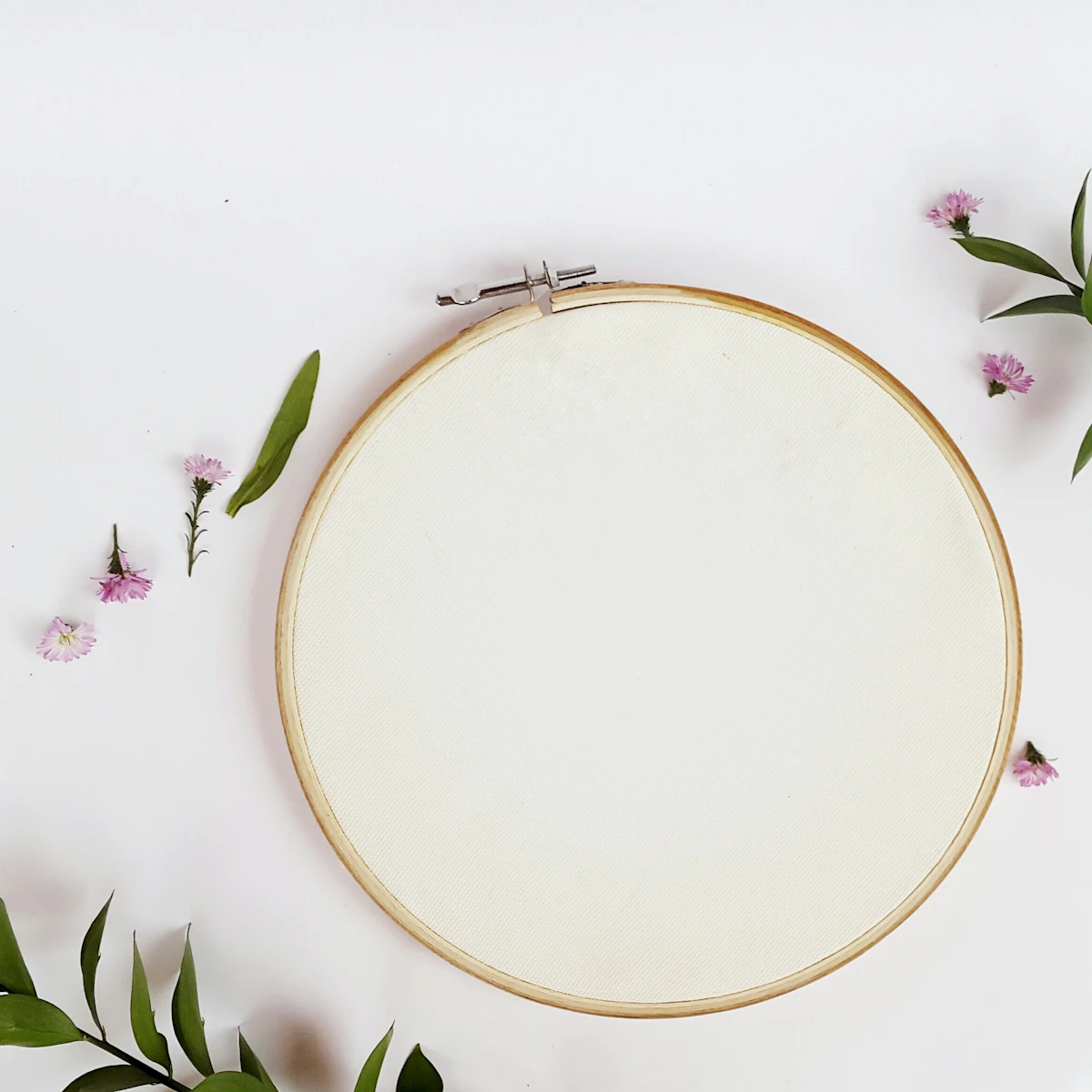
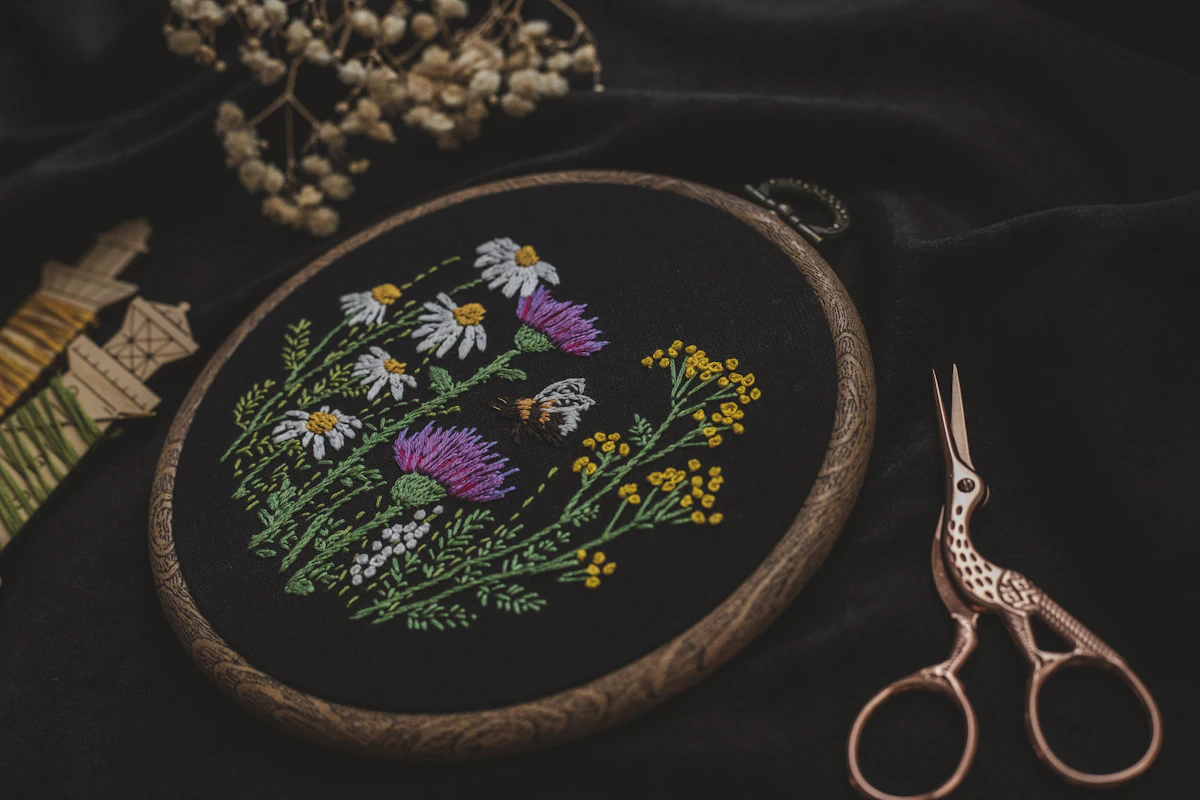
Embroidery machines stitch digitised designs inside a hoop. The maximum hoop size decides how large a design can be, so check it first. Combination sewing-and-embroidery machines save space but tie up one machine for both jobs.
Getting set up
Specialist machines reward a proper demonstration. PK Sewing Machines in Leicester sells domestic overlocker and embroidery equipment, and services them too.
Overlocker or coverstitch: which first?
For most sewers an overlocker comes first, because it seams and finishes in one go. Add a coverstitch machine once you sew lots of T-shirts, leggings and sportswear and want professional hems.
Embroidery files and software
Embroidery machines read design files in specific formats, often transferred by USB or wirelessly. Check which formats your machine accepts and whether editing software is included or sold separately. Start with stabiliser that suits the fabric: tear-away for wovens, cut-away for knits.
Last updated: 14 October 2026


