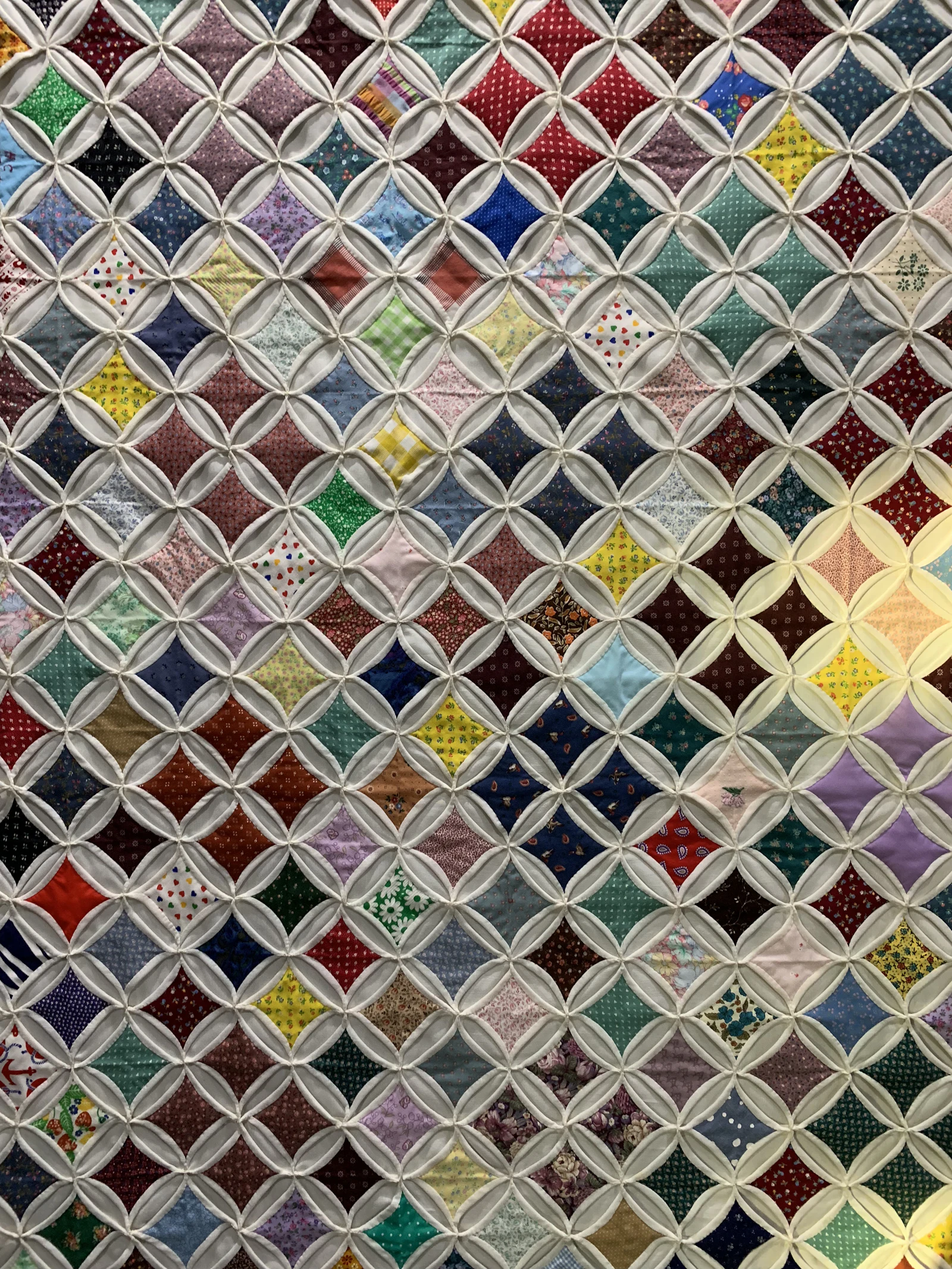
Pick a simple design
Squares, strips or a simple nine-patch are ideal. Choose a cot or lap size for a first quilt: big enough to be useful, small enough to handle on a domestic machine.
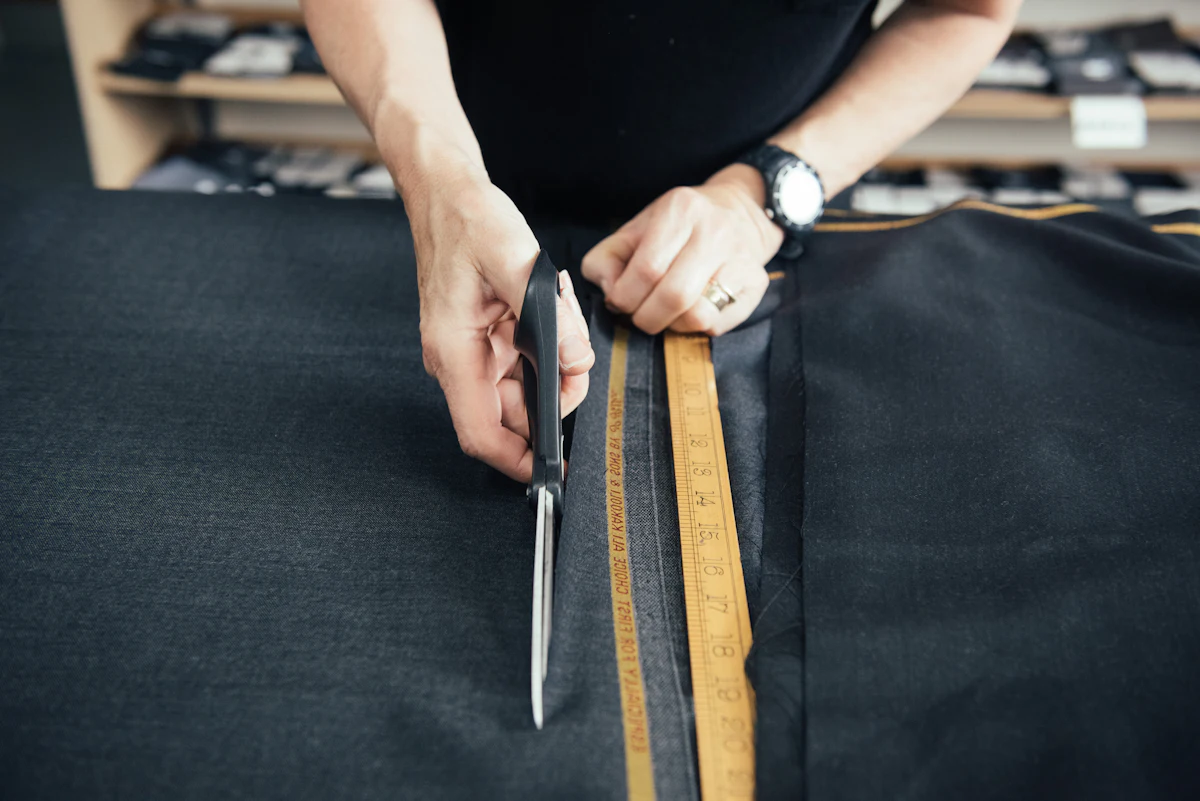
Cutting accurately
Press fabric first, then cut with a rotary cutter, mat and ruler. Accuracy here makes everything easier later.
The ¼-inch seam
Patchwork relies on a consistent ¼-inch (6mm) seam. A patchwork foot helps. Sew a test: three 2-inch strips sewn together should measure 5 inches wide.
Layer, baste and quilt
- Lay the backing right side down, then wadding, then the quilt top right side up.
- Baste with safety pins or spray every hand’s width.
- Quilt straight lines with a walking foot, starting from the centre.
Binding
Trim the edges square, then attach a double-fold binding strip by machine to the front and finish by hand or machine on the back. Mitre the corners for a neat finish.
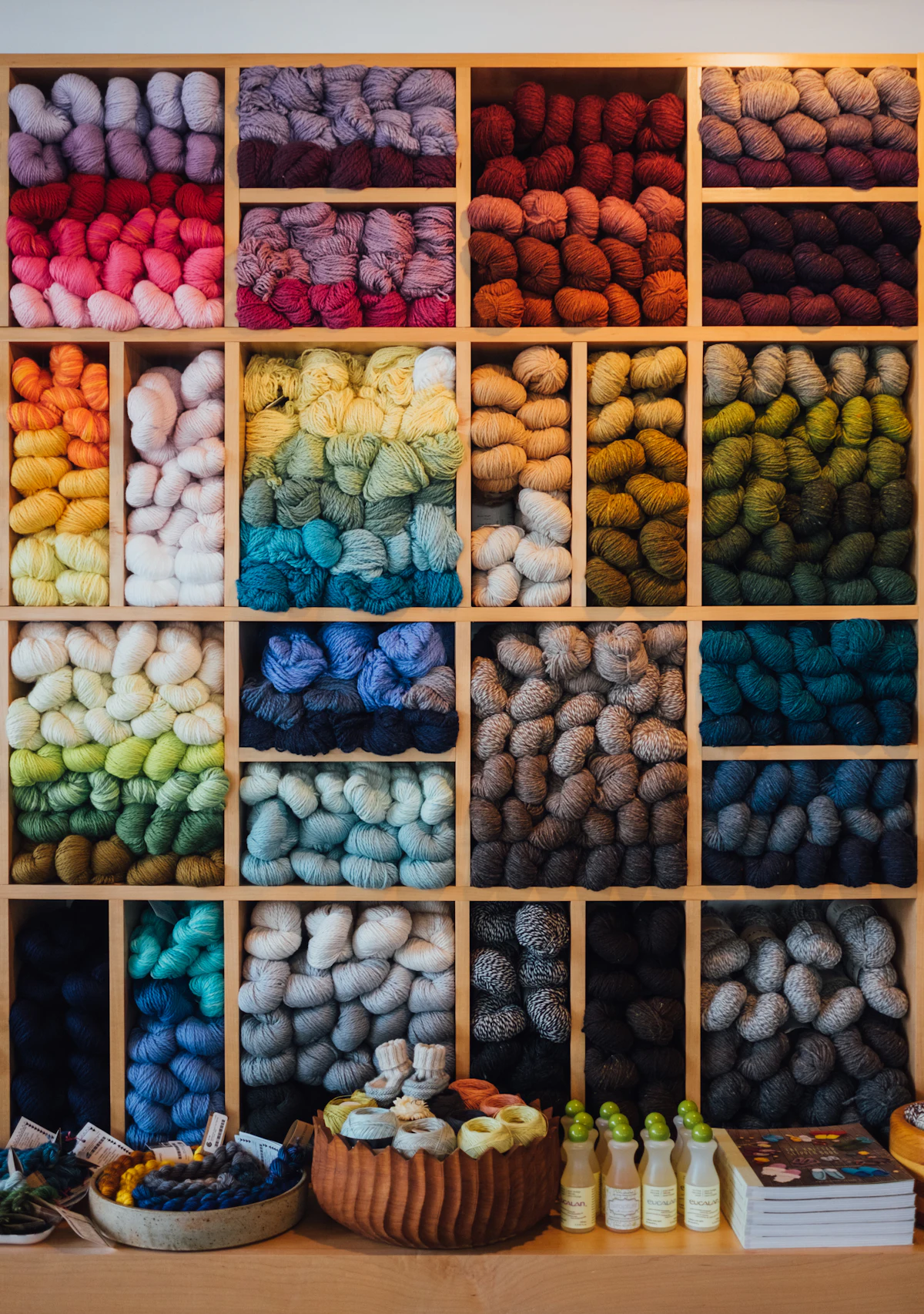
Choosing wadding
Cotton wadding is flat and traditional, and may shrink slightly for a crinkled vintage look. Polyester is lighter and puffier. Wool is warm and drapes well. Check how far apart the wadding allows quilting lines to be.
Pressing in patchwork
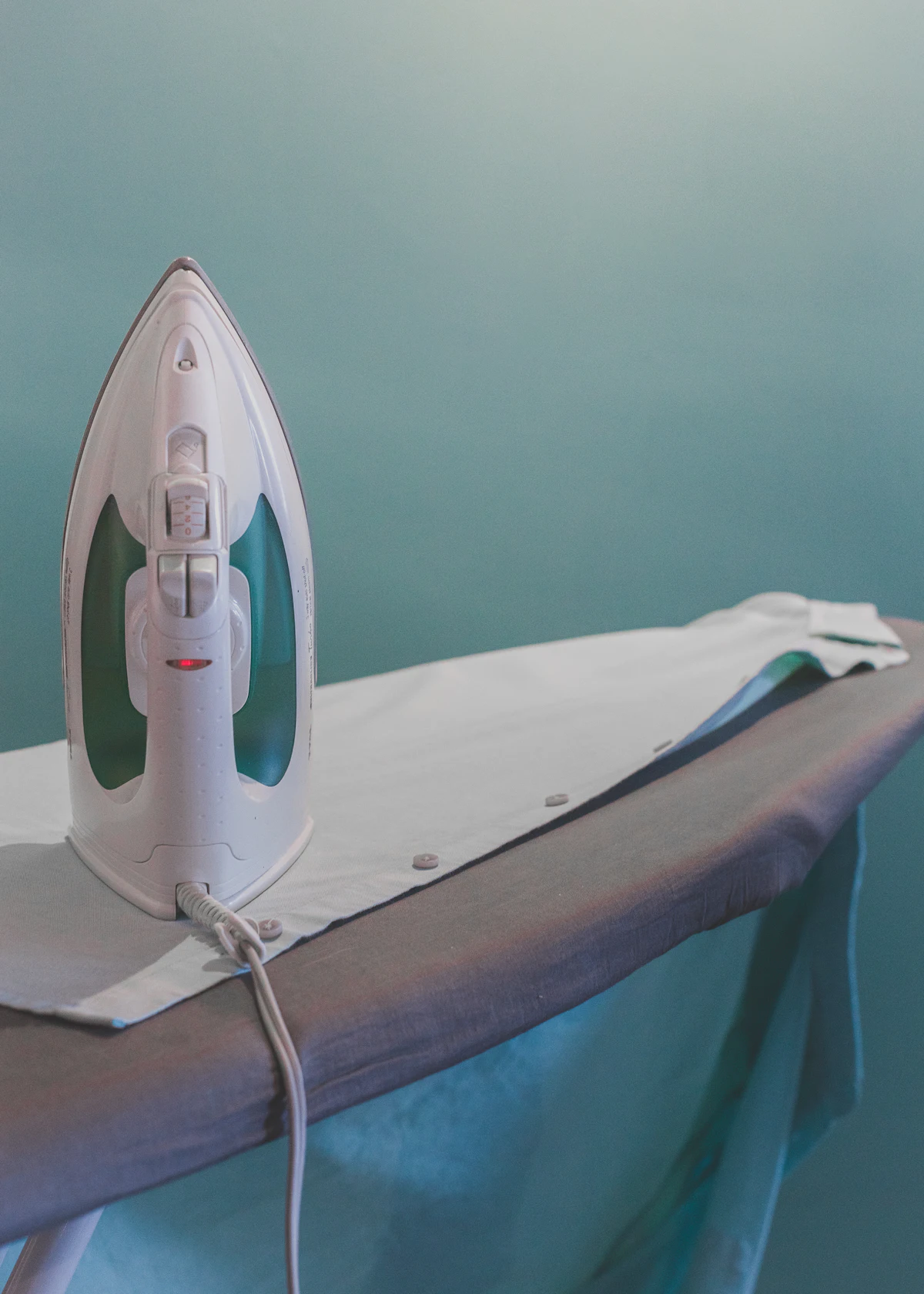
Press, don’t iron: lift and lower the iron to set seams without stretching. Press seams to the darker fabric or open, as the pattern suggests, so points match neatly.
Joining a group
Quilting groups and guilds are welcoming places to learn, share fabric and get advice. Many run beginners’ sessions.
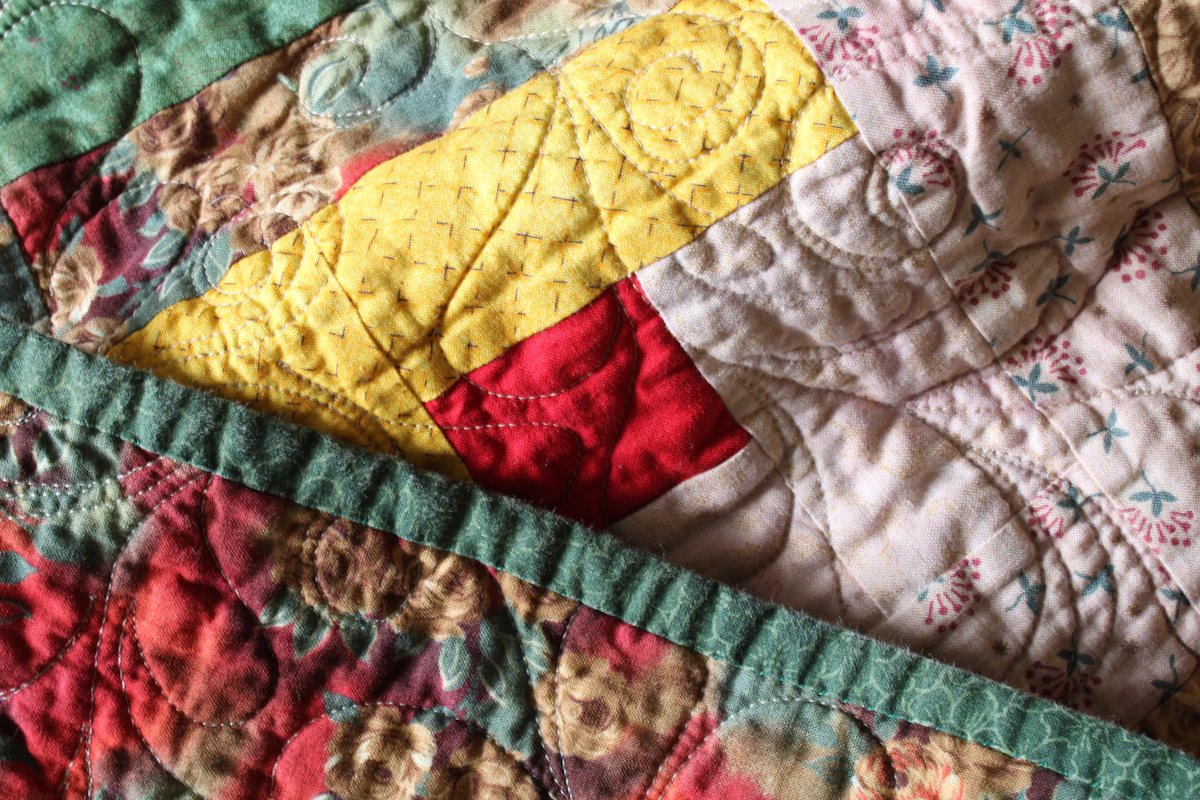
Free-motion quilting, when you are ready
Lower the feed dogs, fit a darning or free-motion foot and move the quilt with your hands to “draw” with stitches. Practise on a small sandwich of fabric and wadding first, keeping speed steady and moving smoothly.
Look after your machine
Quilting creates lots of lint, so clean the bobbin area often and service the machine regularly. PK Sewing Machines in Leicester, a city with a proud textile heritage, services domestic machines. See our quilting guide.
Last updated: 14 October 2026


