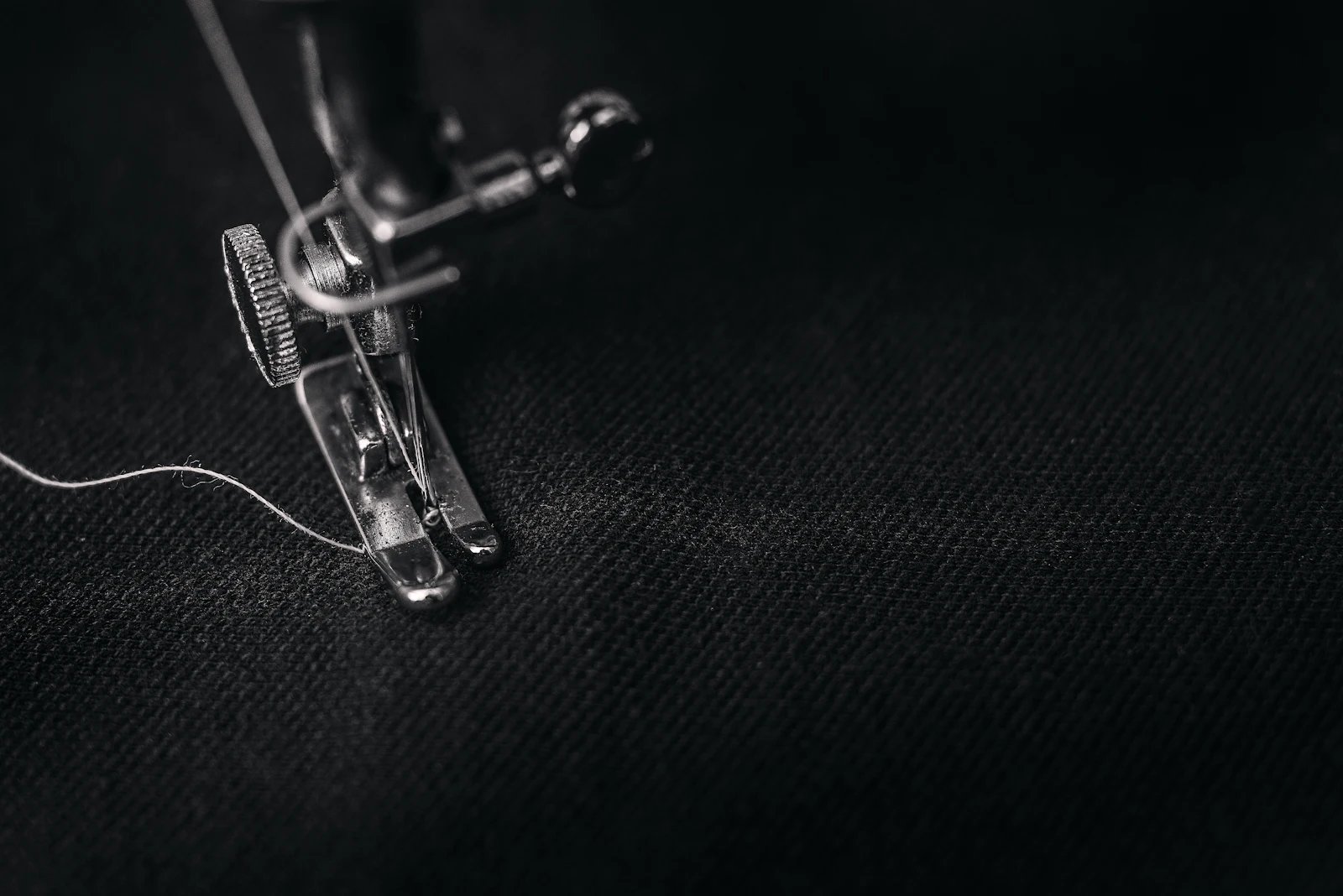
Check your shank first
Domestic machines are usually low shank, high shank or slant shank, and many modern machines take snap-on feet on an adaptor. Check the manual before buying.
The essentials
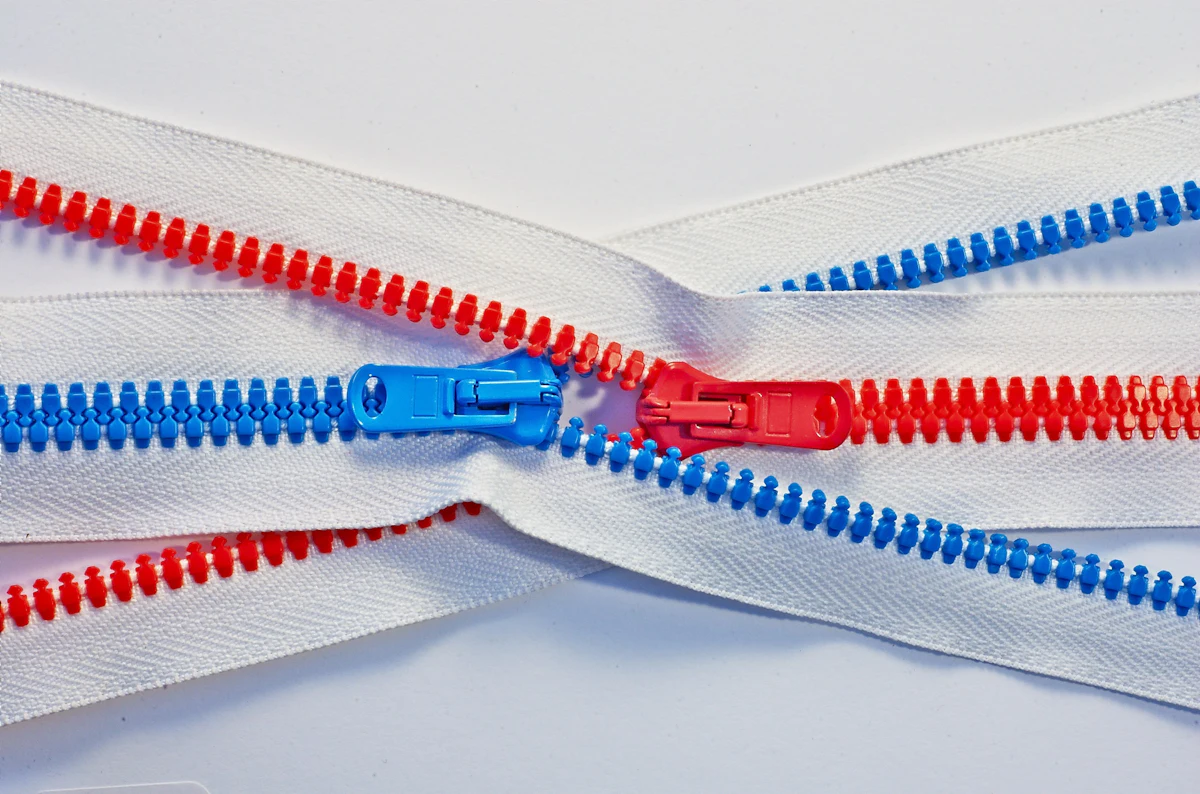
- Zipper foot: sews close to zip teeth and piping.
- Buttonhole foot: usually supplied with the machine.
- Walking foot: feeds layers evenly, ideal for quilting, checks and knits.
- Invisible zip foot: for concealed zips in dresses and skirts.
Nice to have
- Rolled hem foot for scarves and fine edges.
- Edge-stitch foot for neat topstitching.
- Non-stick foot for vinyl and leatherette.
- Open-toe embroidery foot for appliqué.
Specialist feet for garments
- Blind hem foot for nearly invisible hems.
- Gathering foot for frills and ruffles.
- Overcast foot for neat edges without an overlocker.
- Narrow hem foot for fine fabrics.
Feet for quilting and crafts
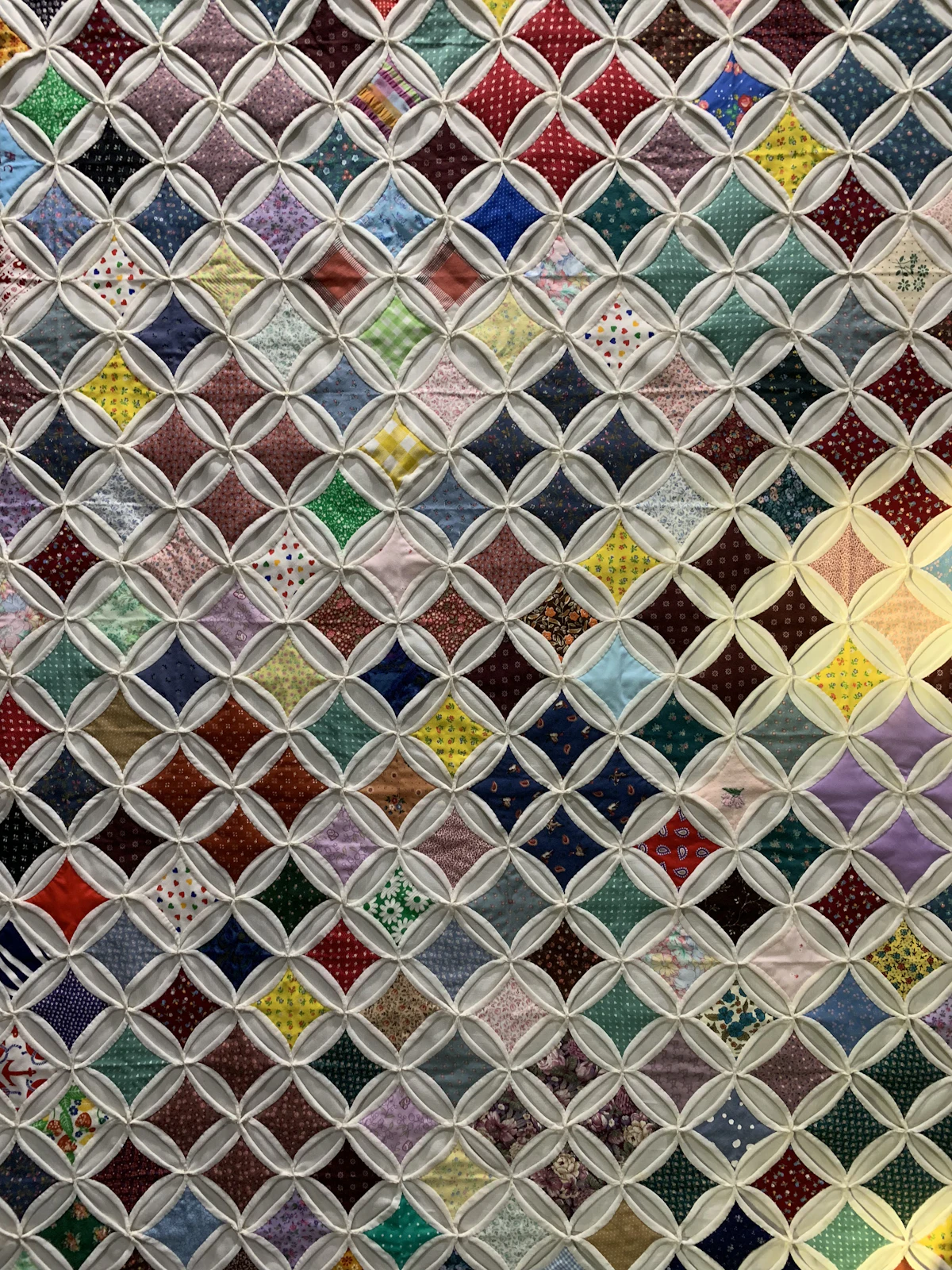
- ¼-inch patchwork foot for accurate seams.
- Free-motion (darning) foot for free-motion quilting and embroidery.
- Teflon or roller foot for vinyl, oilcloth and faux leather.
Genuine or generic feet?
Generic snap-on feet are good value for many machines, but check fit carefully. For walking feet and specialist feet, genuine or well-reviewed compatible parts generally work better. A dealer can confirm what fits your model.
How to change a foot
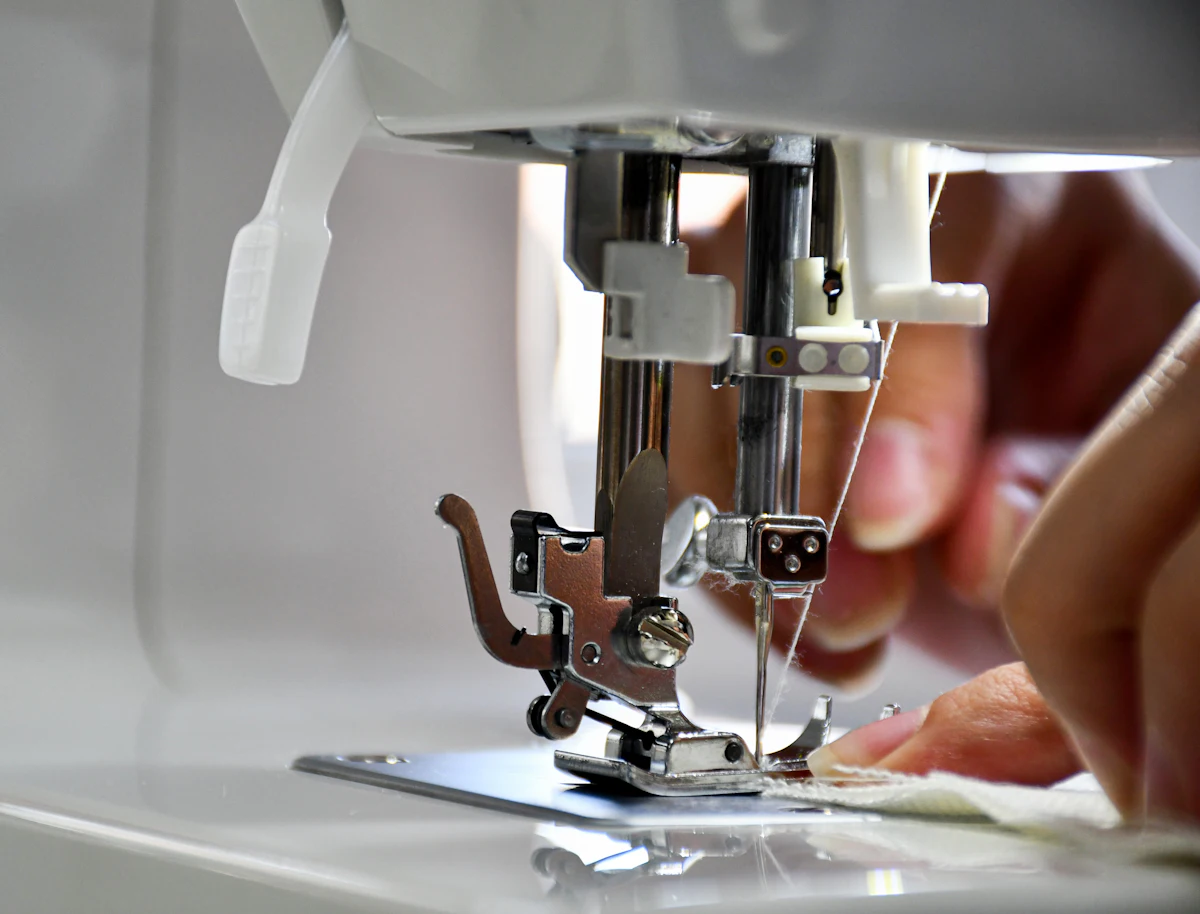
- Raise the needle and presser foot and switch off or unplug the machine.
- For snap-on feet, press the release lever behind the holder and the foot drops off.
- Line up the new foot’s bar under the holder and lower the presser foot lever until it clicks.
- For screw-on feet, loosen the thumb screw, swap the foot and tighten firmly.
- Turn the handwheel by hand to check the needle clears the foot.
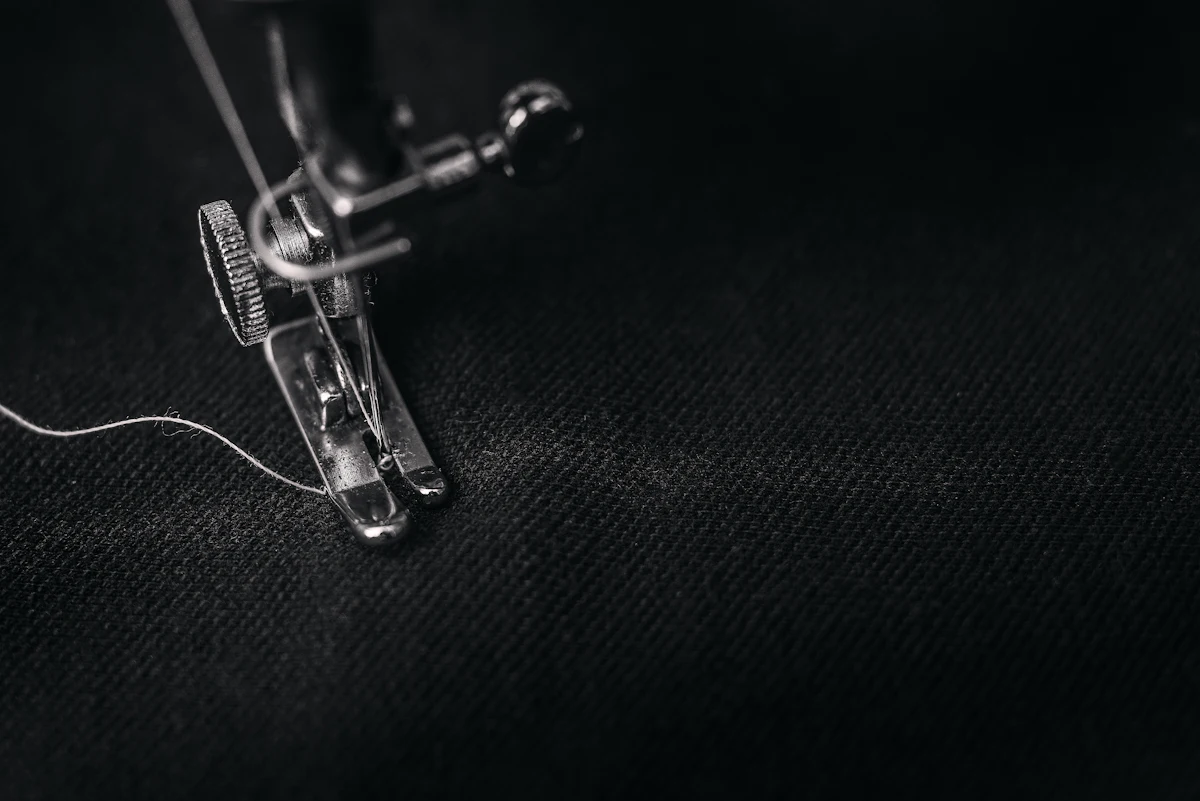
Feet for industrial machines
Industrial lockstitch machines use their own range of feet: hinged feet, compensating feet for edge stitching, piping and cording feet, and Teflon feet. Make sure feet match the machine model and feed type.
Where to buy
PK Sewing Machines in Leicester stocks zipper, button, walking, hemming and specialist feet, and can check fit for your model. Leicester workrooms have used these tools for generations; read about the city’s hosiery heritage. More on our accessories page.
Last updated: 14 October 2026


