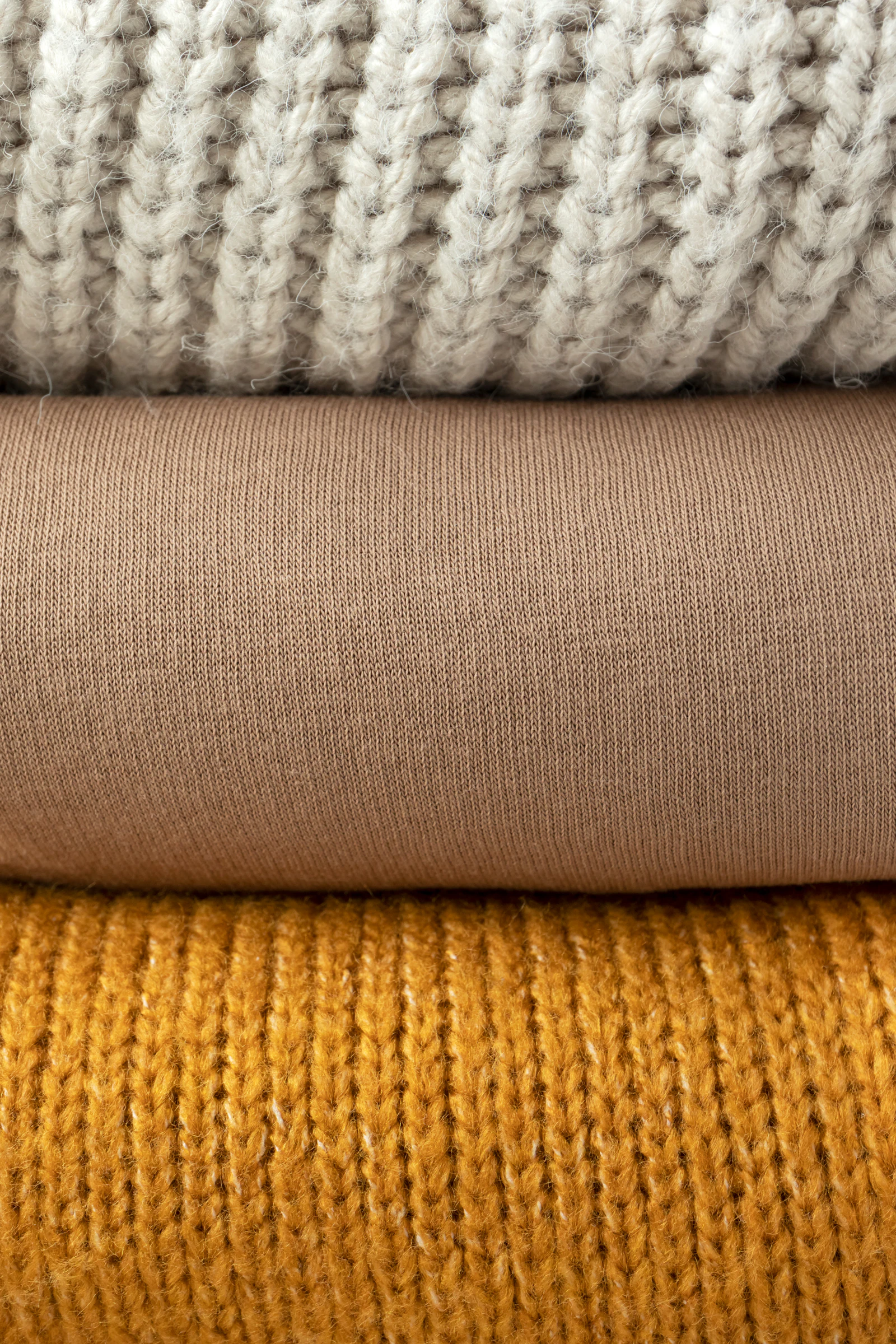
Know your knit
Single jersey, interlock, rib and ponte all stretch differently. Check the stretch percentage your pattern needs by stretching 10cm of fabric against a ruler.
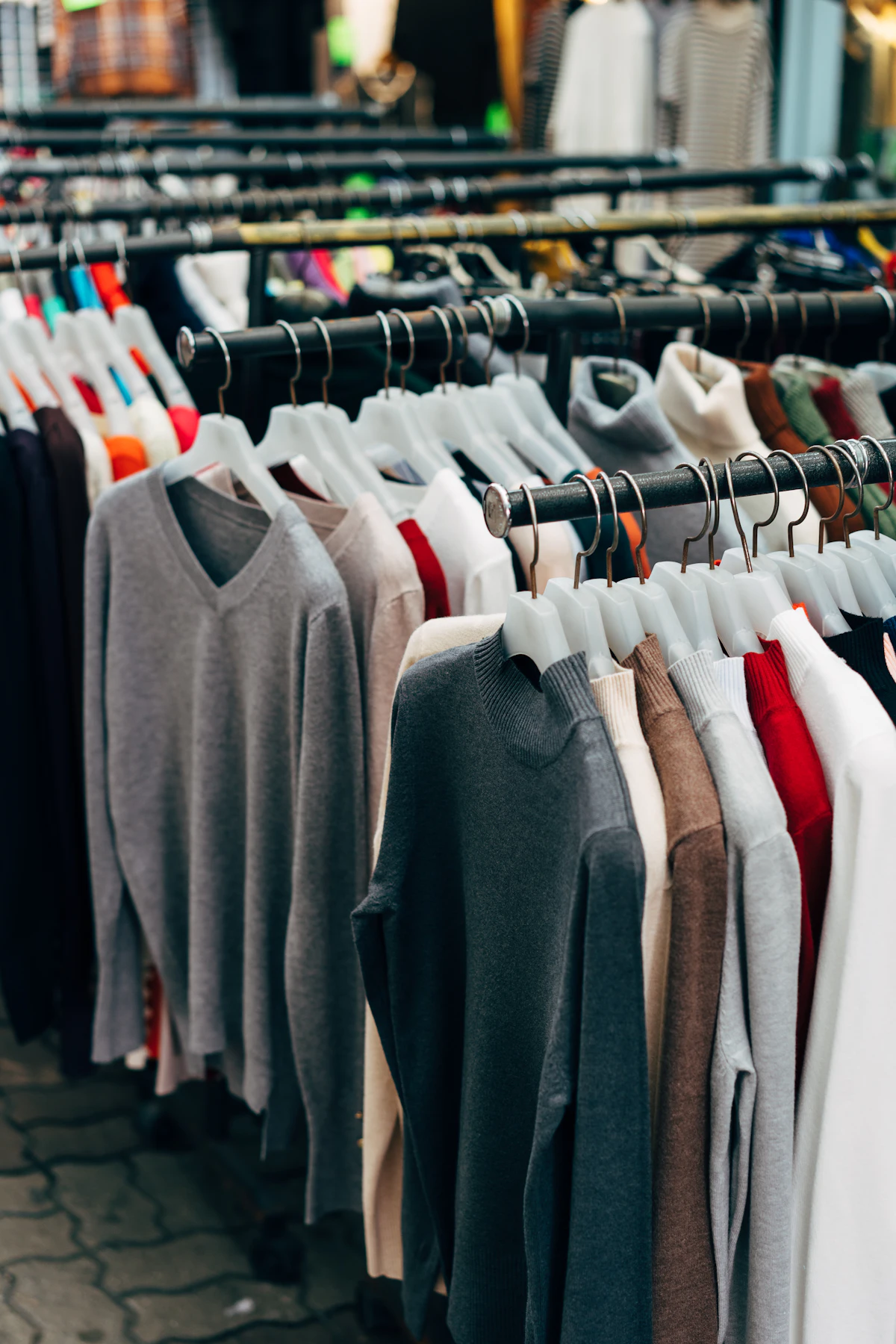
Needle and stitch
- Use a ballpoint or stretch needle.
- Choose a narrow zigzag or your machine’s stretch stitch.
- An overlocker is ideal for seams. See our overlocker guide.
Stop wavy seams
- Don’t pull the fabric through; let the feed dogs do the work.
- Reduce presser foot pressure if your machine allows.
- Use a walking foot.
- Stabilise shoulder seams with clear elastic or tape.
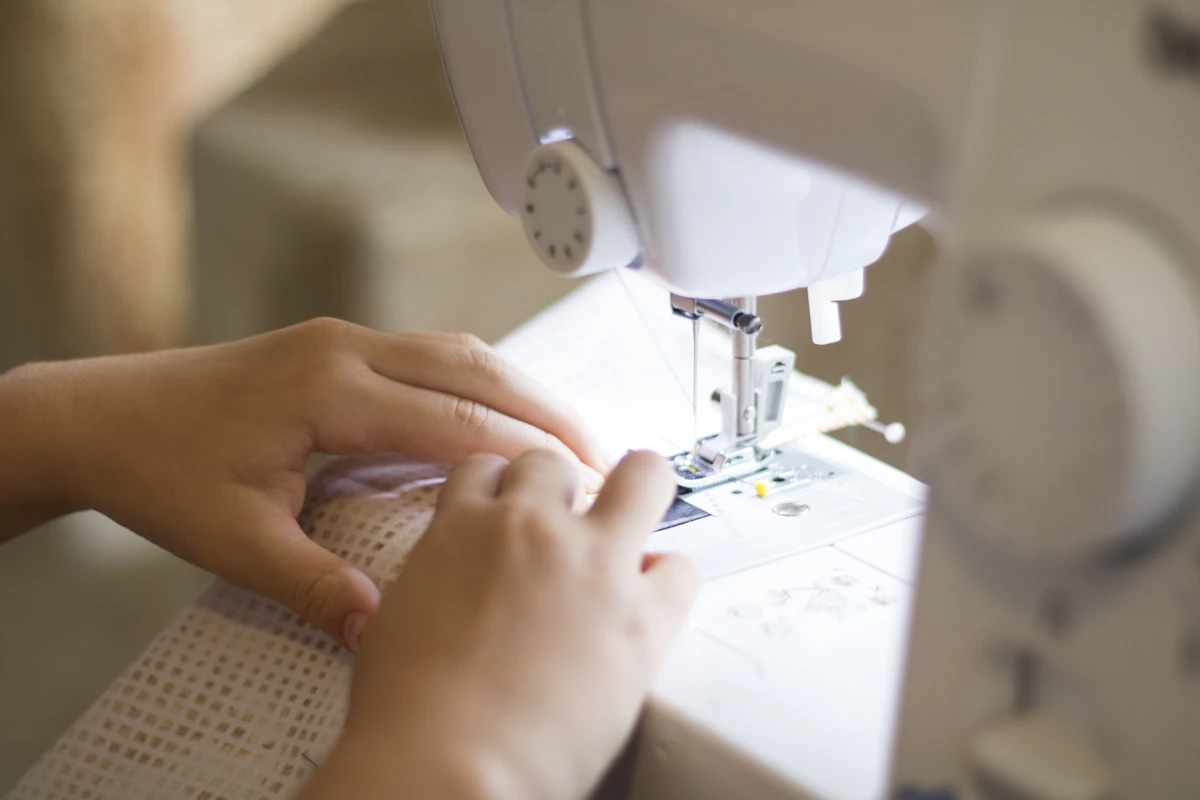
Hems
A twin needle gives a professional-looking stretchy hem on a domestic machine. A coverstitch machine is the industry way, used across the knitwear trade.
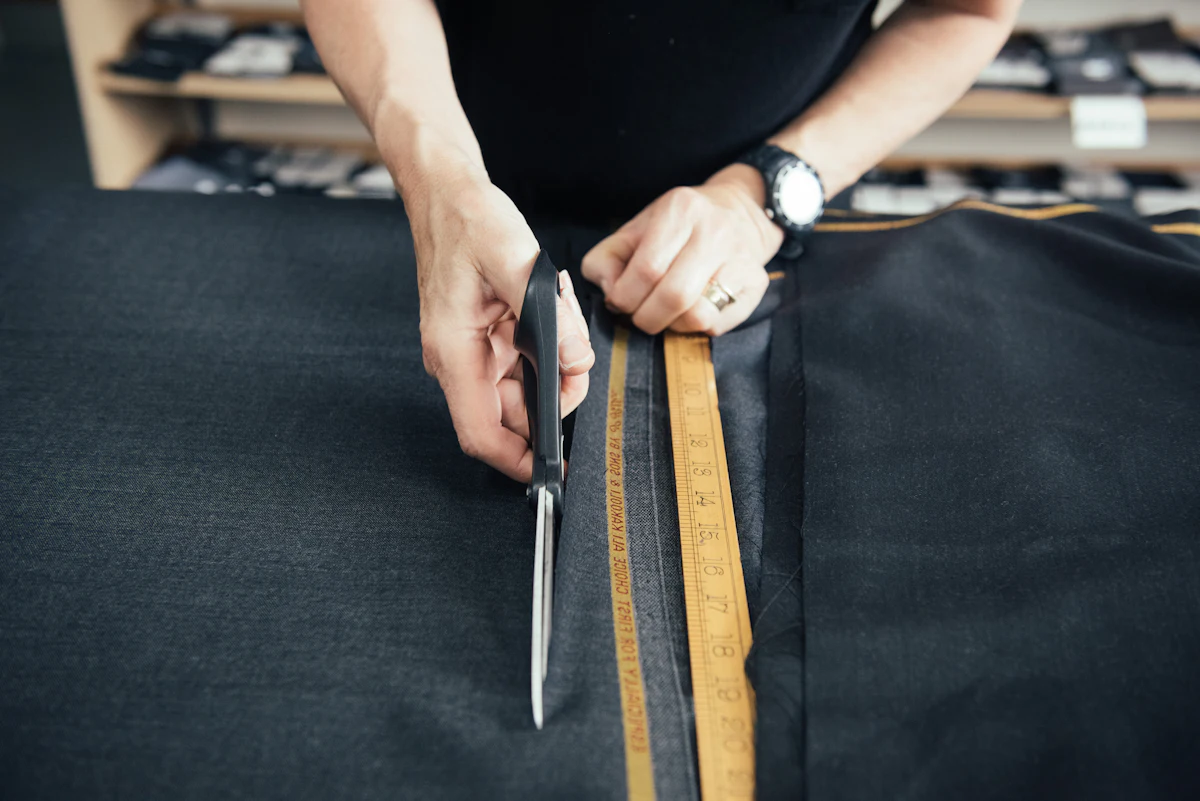
Cutting knits
Lay the fabric flat without letting it hang off the table, which stretches it. Use pattern weights and a rotary cutter for accuracy, and follow the direction of greatest stretch shown on the pattern.
Neckbands and cuffs
Neckbands are cut shorter than the opening and stretched slightly as you sew, so they lie flat. Rib knit works well. Press gently with steam to settle them.
Choosing a first knit project
Start with a stable knit such as ponte or a medium-weight cotton jersey with some elastane, and a simple pattern: a relaxed T-shirt, leggings or a lounge top. Very fine, slinky or very stretchy fabrics are best saved for later.
Pressing knits
Use a lower temperature and lift the iron rather than sliding it, which can stretch the fabric. Steam helps wavy seams settle back. Synthetic knits can melt, so test on a scrap first.
Sewing knits on an industrial line
In factories, knitwear is sewn on overlockers, coverstitch and flatlock machines, with differential feed carefully set for each fabric. It is a skill Leicester’s knitwear trade has refined for generations.
Knitwear has deep roots here
Knitted fabric is Leicester’s speciality; read the city’s hosiery story. For overlockers, coverstitch machines and servicing in the East Midlands, see PK Sewing Machines.
Last updated: 14 October 2026


