The event
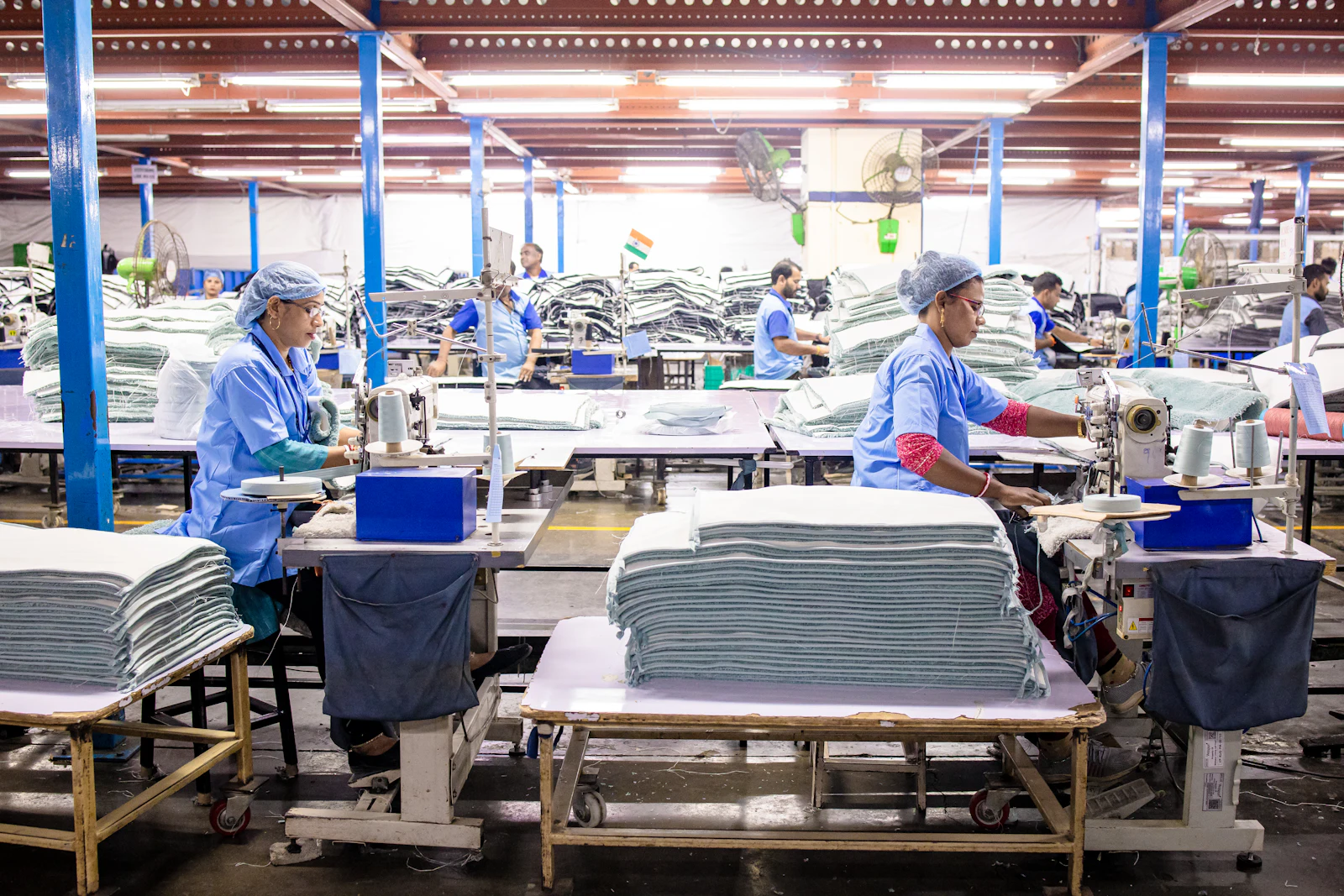
Leicester Made & Regions 2026 took place on 24 April 2026 at The Venue at De Montfort University. It was organised by Fashion-Enter Ltd and the Apparel and Textile Manufacturers Federation, and promoted by UKFT, with exhibitors spanning apparel, textiles, knitters, dyers and trimming suppliers.
Why it matters
Organisers pointed to supply chain disruption, shipping pressures and new transparency rules as reasons for brands to look again at making in the UK. Reporting after the day highlighted the strength of local factories and the need for support and closer collaboration across the sector.

The machinery behind the making
Onshore manufacturing needs well-maintained machines and fast access to parts. Leicester engineers such as PK Sewing Machines, with industrial call-outs across the East Midlands, are part of that story. See our industrial machines guide.
Who took part
The showcase gathered manufacturers covering apparel, textiles, knitters, dyers and trimming suppliers, alongside brands, designers, educators and policymakers. Events like this help brands find UK factories and help factories find new customers.
Ethical production
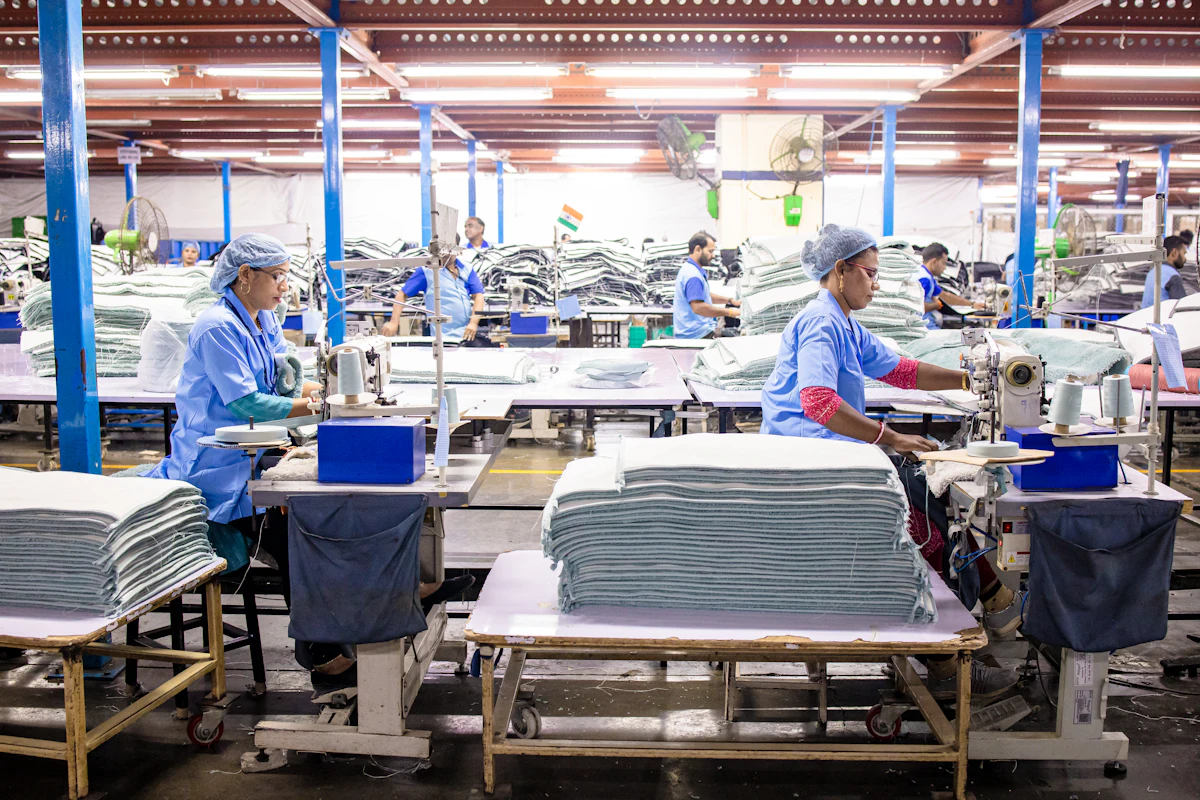
Leicester’s garment sector has faced scrutiny in recent years over working conditions in parts of the supply chain. Industry bodies have pushed for transparency and ethical audits, and events like Leicester Made emphasise ethical production alongside quality and speed.
What it means for sewers and small brands
For small brands, local manufacturing can mean smaller minimum orders, faster sampling and easier visits to the factory floor. For machinery suppliers and engineers, a healthy local sector means steady demand for machines, parts and servicing.
Leicester’s manufacturing strengths
The city’s textile base includes knitwear, cut-and-sew garment making, dyeing and finishing, and the suppliers who support them, from trims to machinery. Proximity means brands can source, sample and produce within a short drive.
Skills and training
Sustaining UK manufacturing depends on skilled machinists, technicians and engineers. Colleges, universities and employers in the region work on training and apprenticeships to bring new people into the trade.
Part of a long tradition
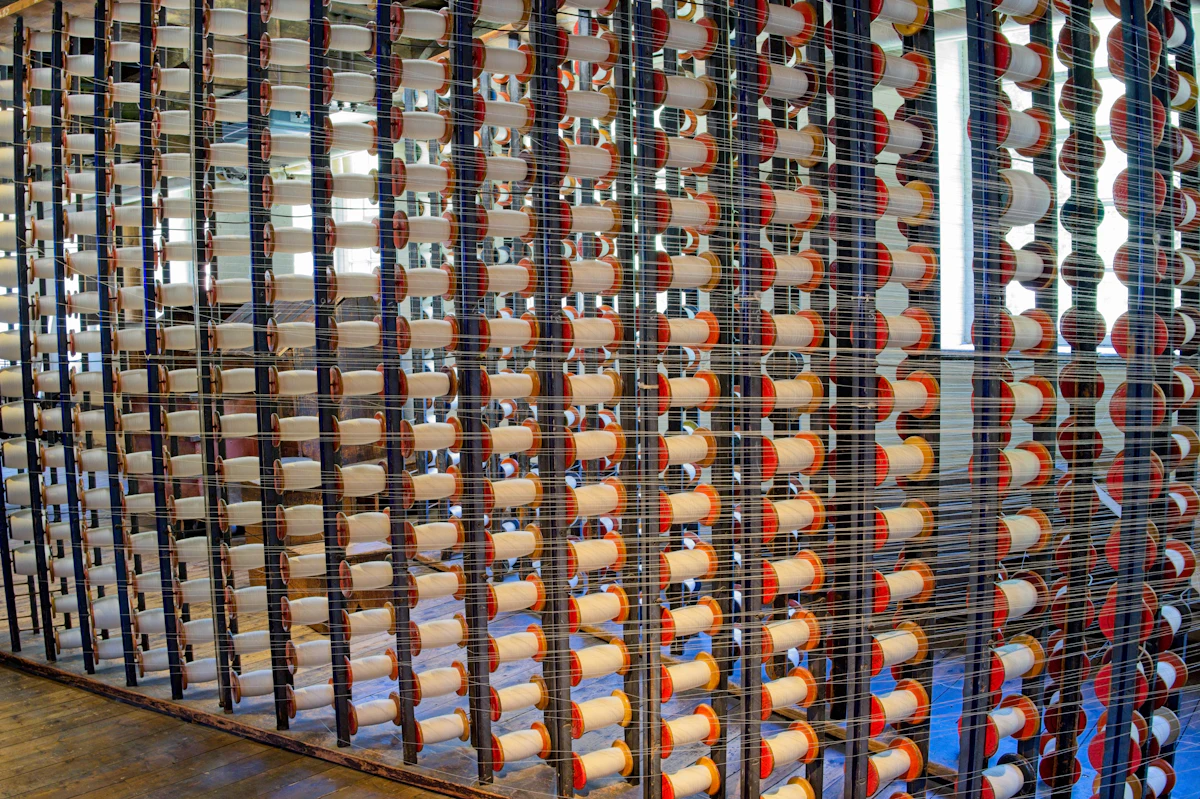
Leicester has been making textiles for centuries. Read Leicester’s hosiery heritage and our sector reading list for more.
Last updated: 14 October 2026


