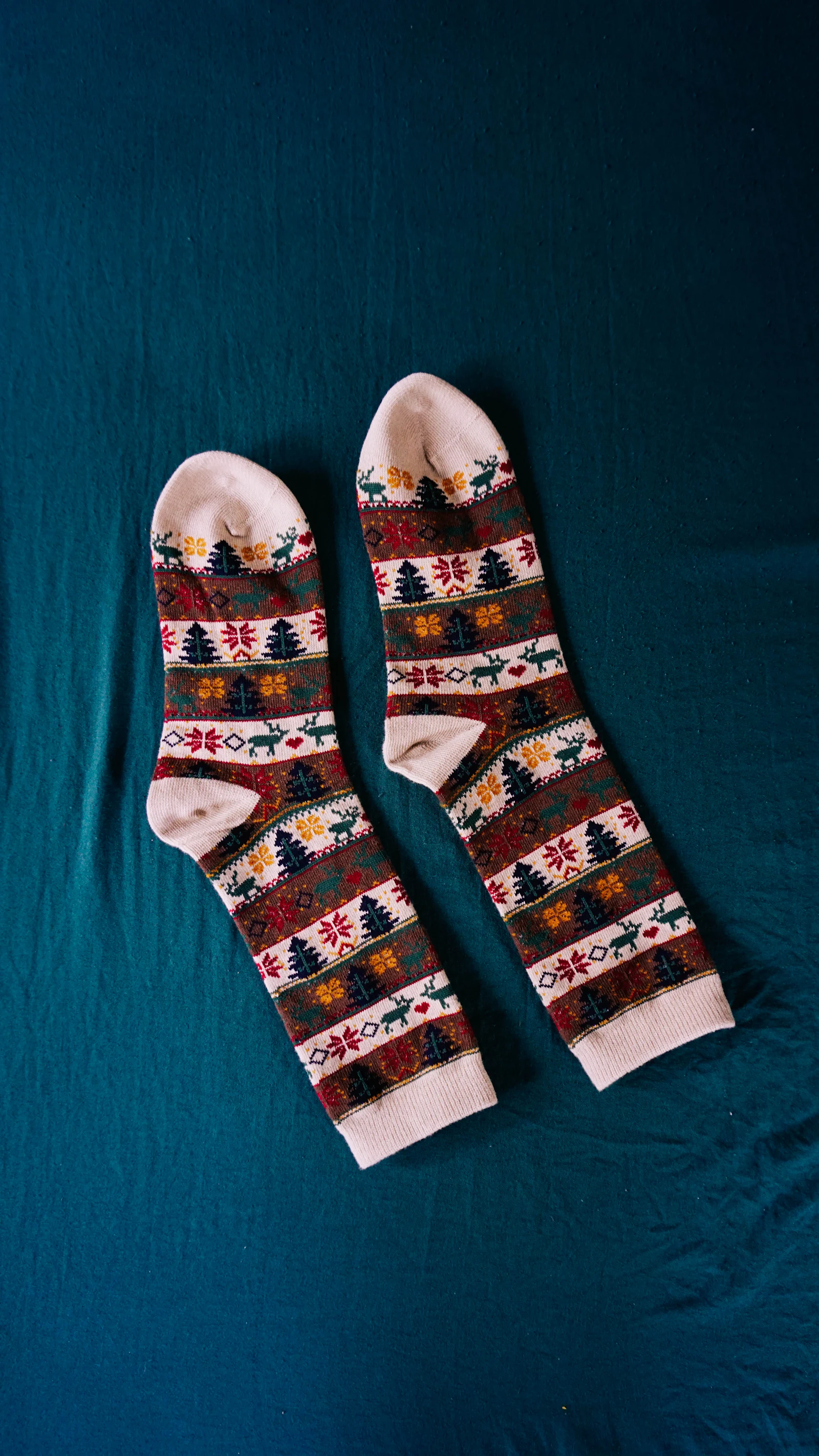
A frame in every cottage
The stocking frame, credited to William Lee of Calverton in 1589, slowly spread through the East Midlands. By the early 1700s Leicester had several hundred frames, and by 1790 around 3,000. Whole families worked at home, often in hard conditions and for low pay.
By 1790, Leicester had around 3,000 knitting frames at work.
The factory age
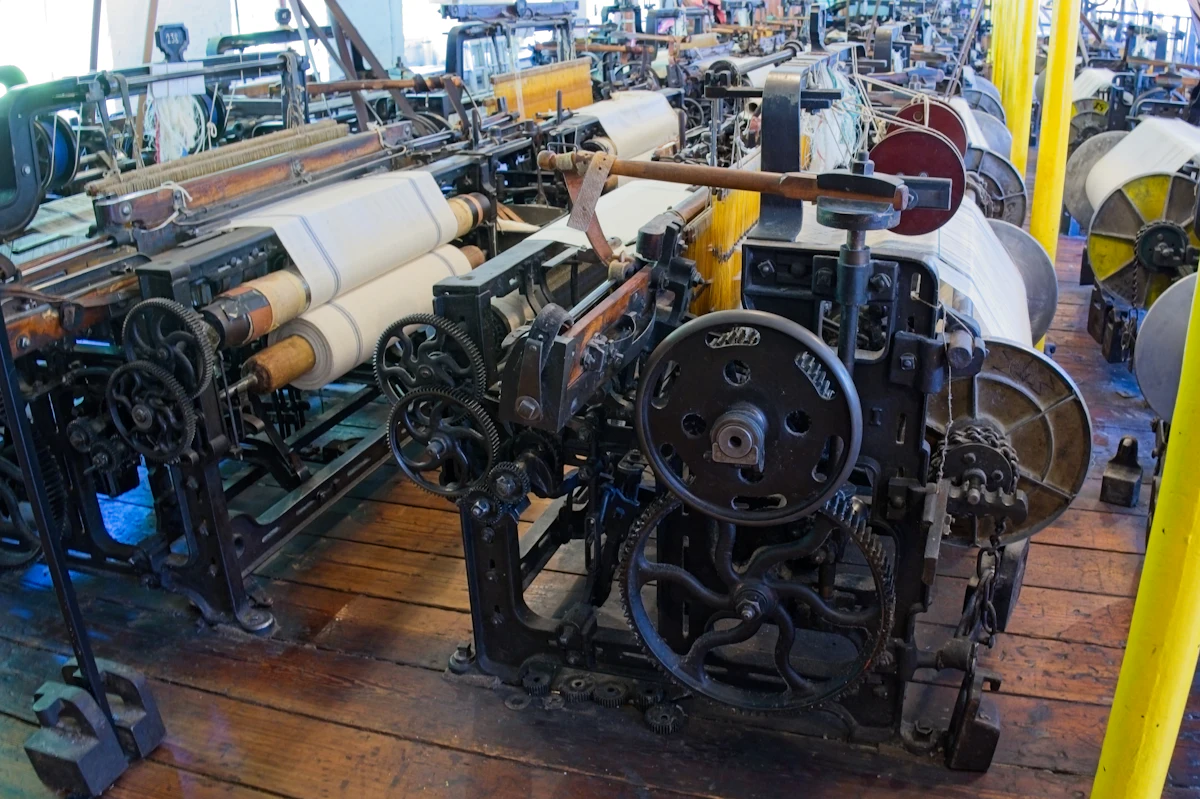
From the mid-1800s, steam power and new machines moved production into factories. By the end of the century nearly all knitted goods were factory-made. Leicester’s skyline filled with hosiery works.
The great names
N. Corah & Sons built St Margaret’s Works from 1865, one of the largest hosiery factories in Britain. Wolsey, whose roots go back to an 18th-century Leicester hosier, took its name in 1897 from Cardinal Wolsey, buried at Leicester Abbey. Read more in our Corah story.
Change and continuity
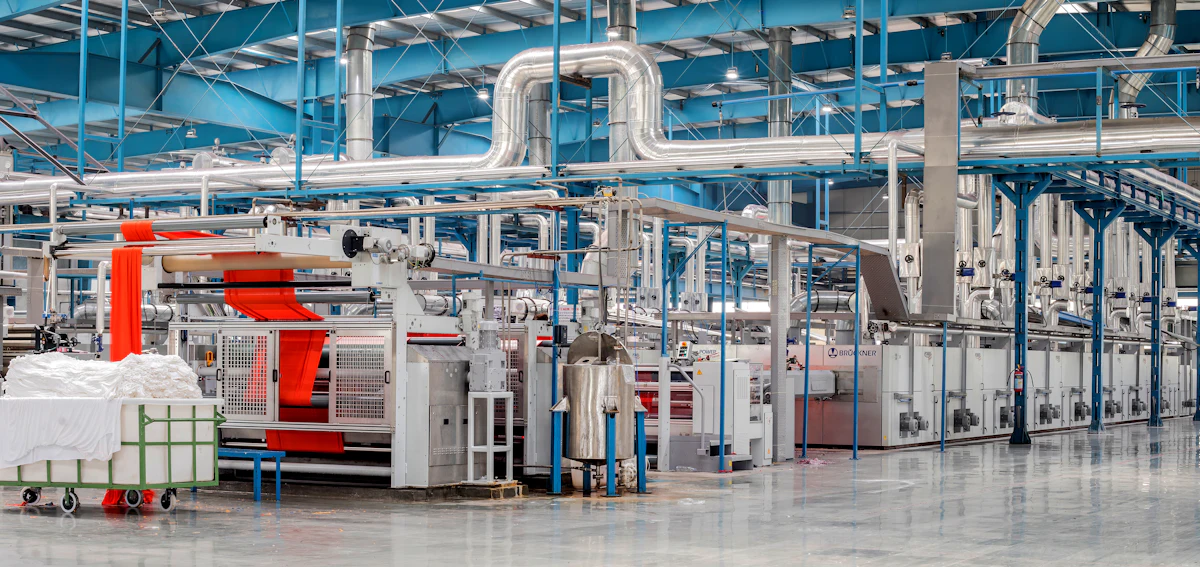
Late 20th-century global competition closed many big mills. But Leicester still has knitters, garment makers and dyers, and a strong base of machinery engineers and suppliers.
Life as a framework knitter
Framework knitters often rented their frames, paying “frame rent” to a hosier whether or not there was work. Pay was low and hours long, and disputes over wages and frame rent were a recurring theme of the trade in the early 1800s. The museums in Wigston and Ruddington bring this world to life.
What Leicester made
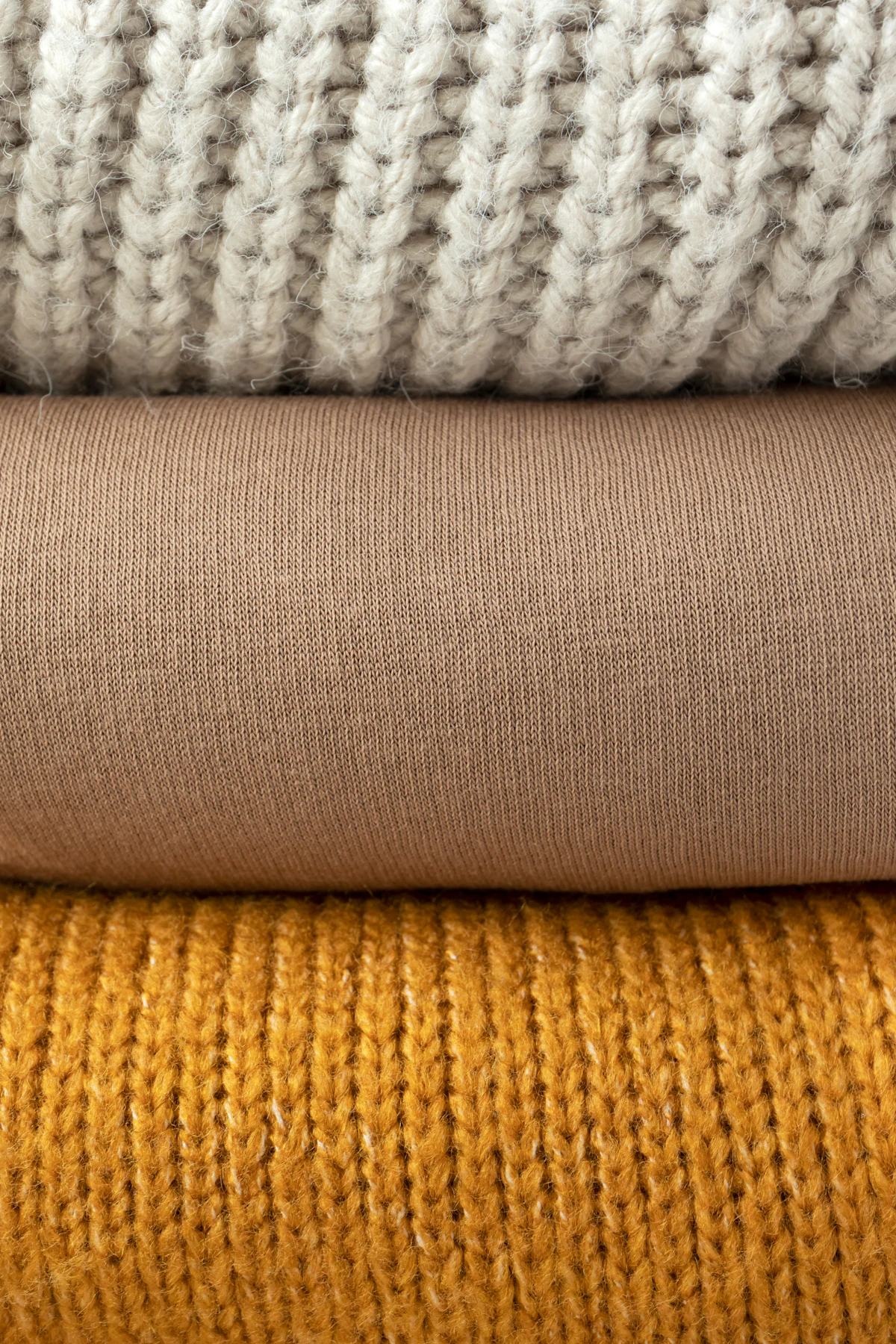
- Stockings and socks.
- Knitted underwear.
- Knitted outerwear, from jumpers to sportswear.
- Elastic webbing and trims for the garment trade.
Today the city is known for knitwear, garment manufacture and dyeing, alongside its long-standing machinery suppliers.
Riots, reform and the frame-rent
Hard times in the early 19th century brought protests in the East Midlands knitting districts, including the Luddite frame-breaking of 1811 to 1816 in Nottinghamshire, Leicestershire and Derbyshire. Over the century, campaigns against frame rent and low pay, and the move to factories, gradually changed knitters’ lives.
The 20th century boom
Leicester’s knitting industry thrived in the early and mid 20th century, making the city one of the most prosperous in Britain at times. Big firms supplied high-street retailers, and the trade drew workers from across Britain and, later, from South Asia and East Africa, who became central to the city’s textile industry.
Global competition
From the 1970s onwards, cheaper imports and changes in retail buying hit British knitwear hard. Many big Leicester mills closed in the 1980s and 1990s. Smaller, flexible manufacturers survived, and there is renewed interest in UK making today.
Keeping the machines running
Firms like PK Sewing Machines, family-run in Leicester since 1982, have supported the city’s workrooms and home sewers for over four decades. Explore our full Leicester hosiery heritage page.
Last updated: 14 October 2026


