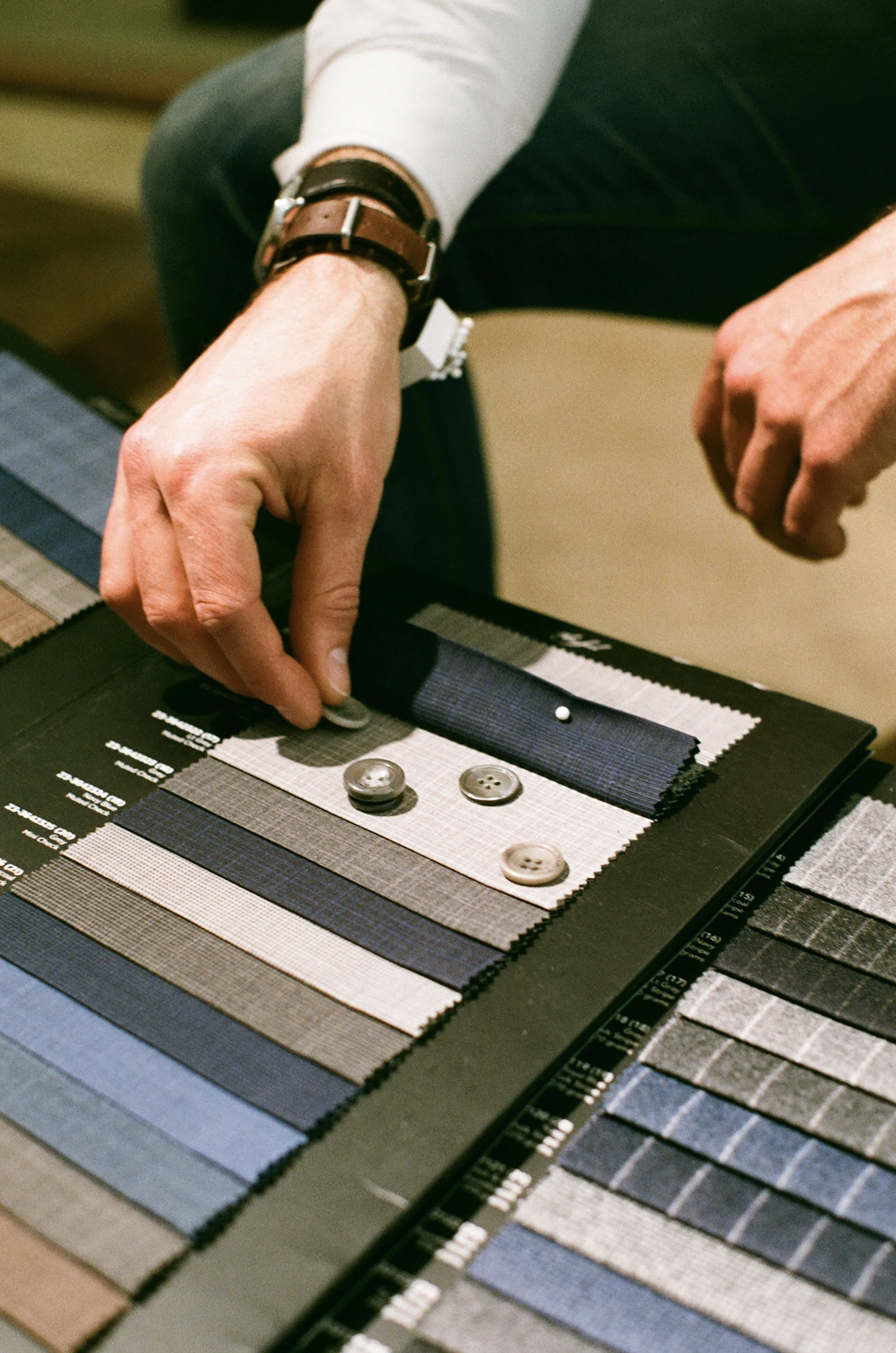
Core machines
- Industrial or heavy-duty lockstitch: the main machine for most jobs.
- Overlocker: to neaten seams after taking in.
- Blind hem machine: fast, invisible trouser and skirt hems.
- Domestic zigzag machine: for stretch fabrics and buttonholes if your lockstitch is straight-stitch only.
Pressing
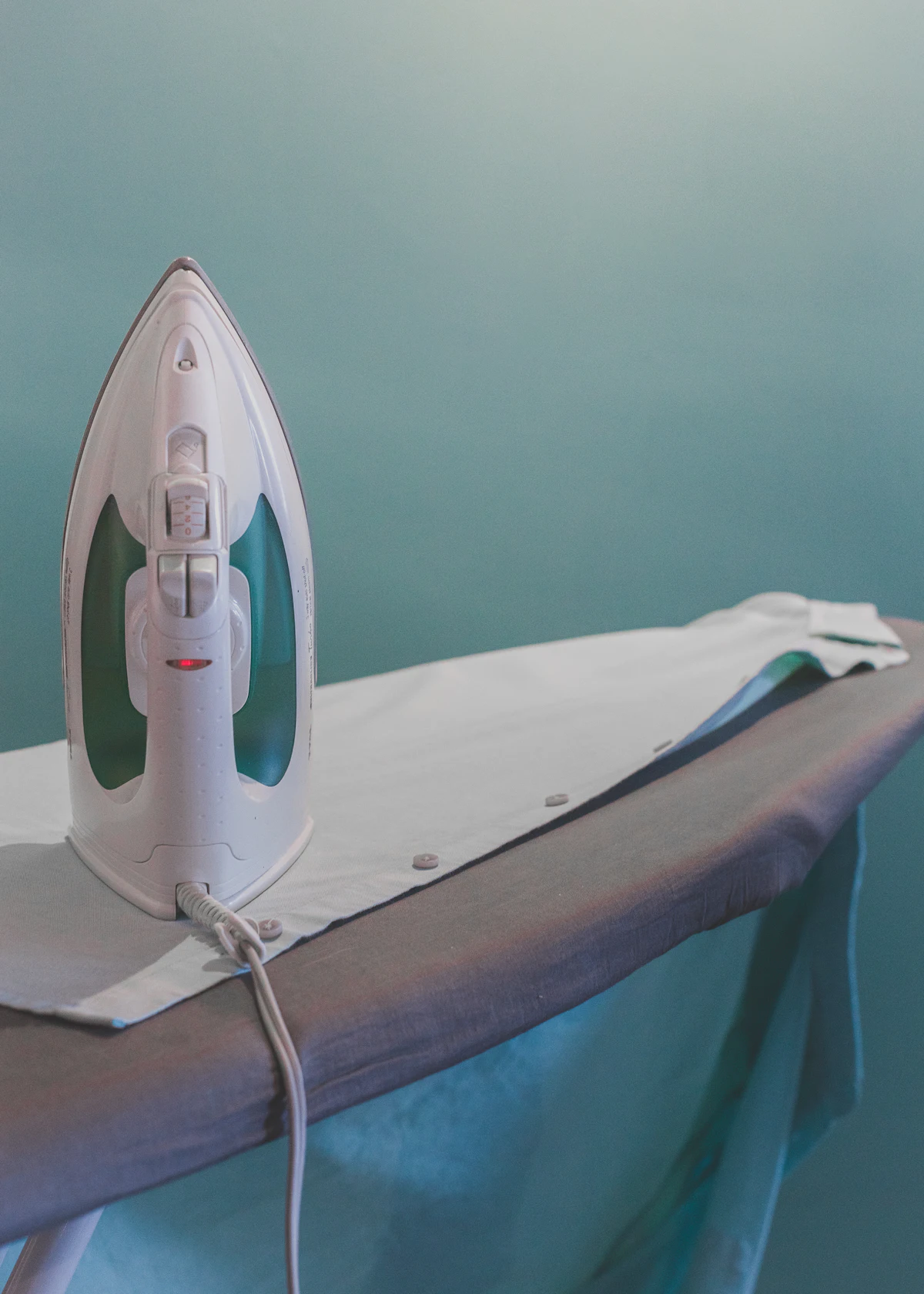
A good steam iron or steam generator, a pressing table, a tailor’s ham, sleeve board and pressing cloths make finished work look professional.
Cutting and marking
Sharp shears, snips, a seam ripper, tailor’s chalk, a long ruler and a cutting table.
Fitting and front of house
- A full-length mirror and changing space.
- Pins, tape measures and a pinning cushion.
- A booking system and garment tags.
Buy new or used?
Used industrial machines from a reputable dealer can stretch a start-up budget a long way. Make sure each has been serviced, comes with the right motor and table, and that parts are easy to get.
Pricing your work fairly
Work out your hourly cost (rent, power, equipment, your time) and price jobs from typical times: hems, zips, take-ins and so on. Keep a price list visible, and quote before starting complex work.
Keep machines earning
Downtime loses money. Schedule services in quieter weeks, keep spares, and have an engineer you can call quickly.
Common jobs and the kit they need
| Job | Main equipment |
|---|---|
| Trouser and skirt hems | Blind hem machine or lockstitch, pressing |
| Zip replacement | Lockstitch with zipper foot |
| Taking in and letting out | Lockstitch, overlocker |
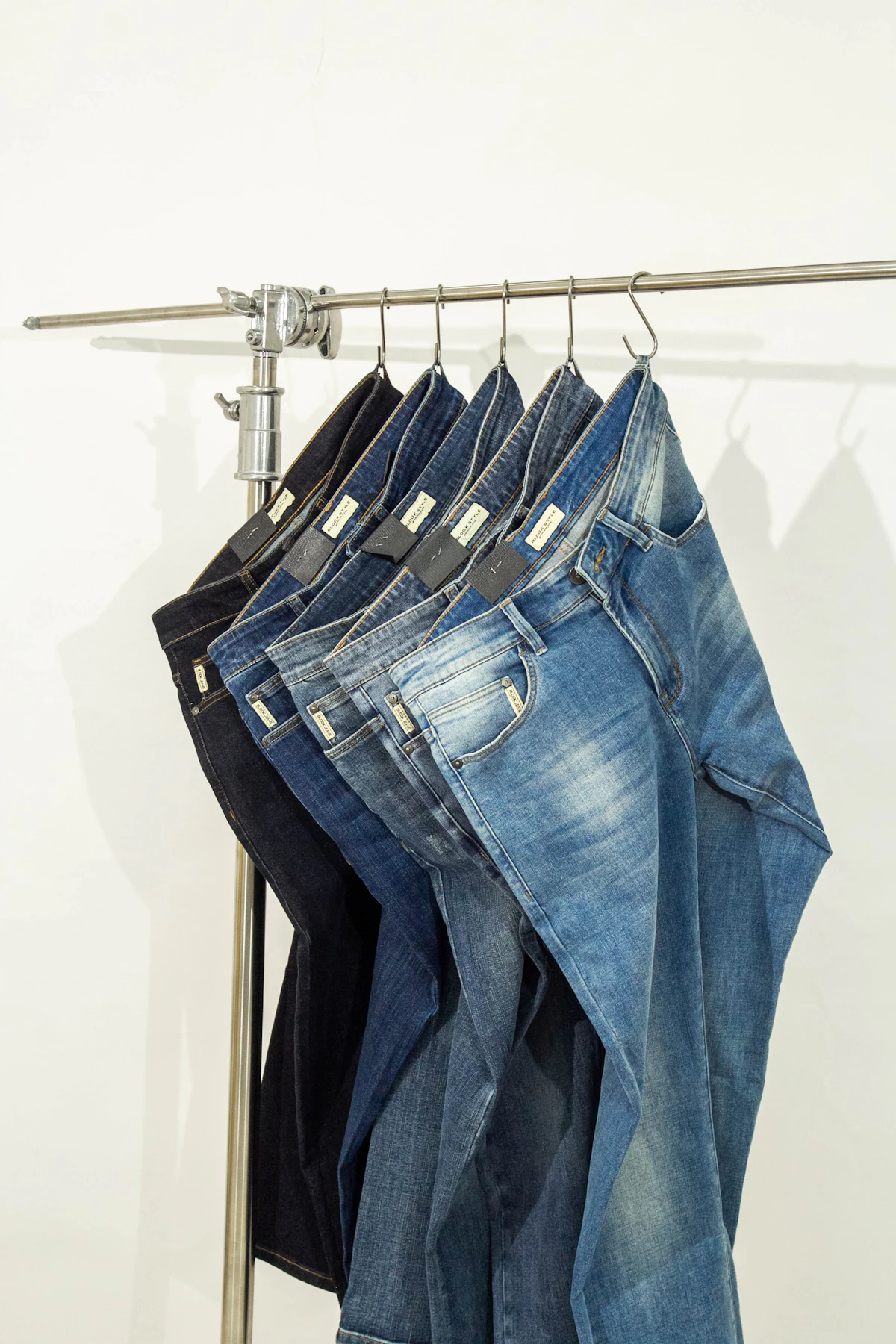
| Jeans hems | Heavy-duty or industrial lockstitch, jeans needles |
| Knitwear repairs | Overlocker, coverstitch or domestic zigzag |
Spares and support
Keep spare needles, bobbins, belts and feet in stock, and know who will service your machines quickly. PK Sewing Machines works with tailors and alteration businesses, with Leicester workshop servicing and East Midlands call-outs. See also machines for businesses. Leicester has served the clothing trade since its hosiery days.
Last updated: 14 October 2026


