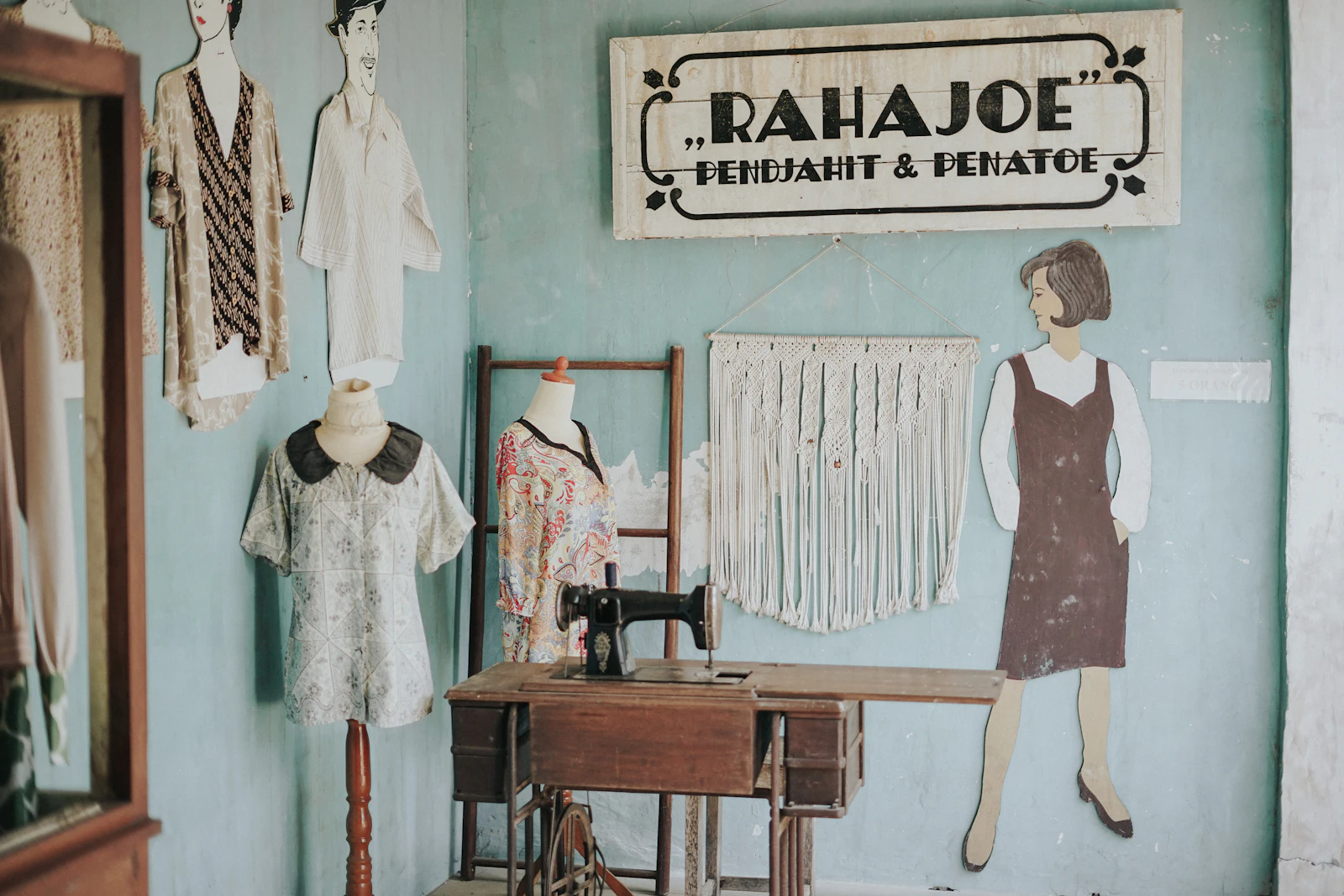
Three stations: sew, cut, press
Arrange a sewing table, a cutting surface and an ironing board so you can move between them easily. A swivel chair that turns from machine to iron saves lots of steps.
Table and chair
A sturdy table that doesn’t wobble stops vibration. Your forearms should rest comfortably at machine bed height. An adjustable chair with back support makes long sessions easier.
Light and power
- Bright, daylight-balanced overhead light plus a task lamp.
- Enough sockets for the machine, overlocker, iron and lamp without overloading.
- Keep cables tidy and away from the iron.
Storage
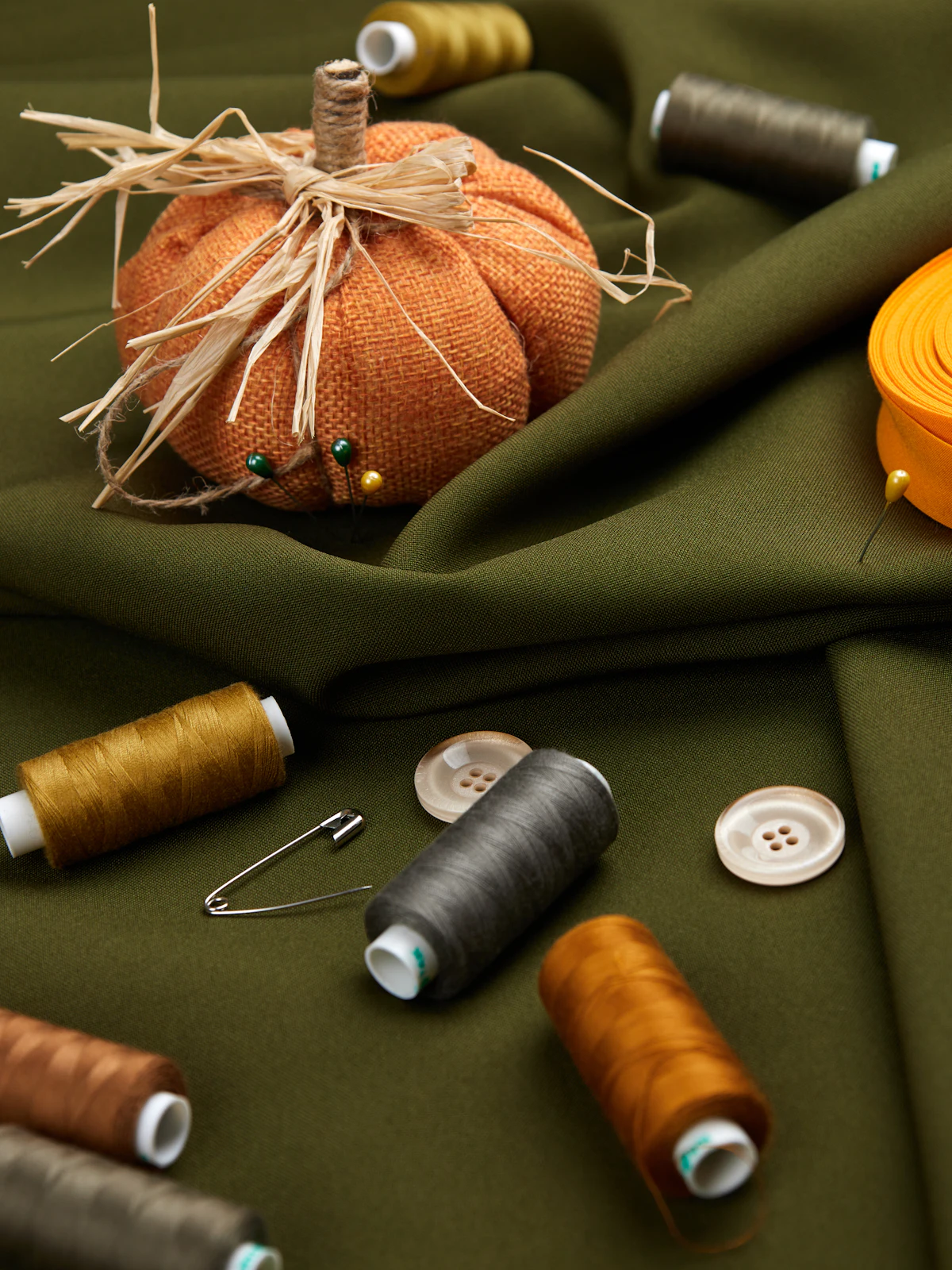
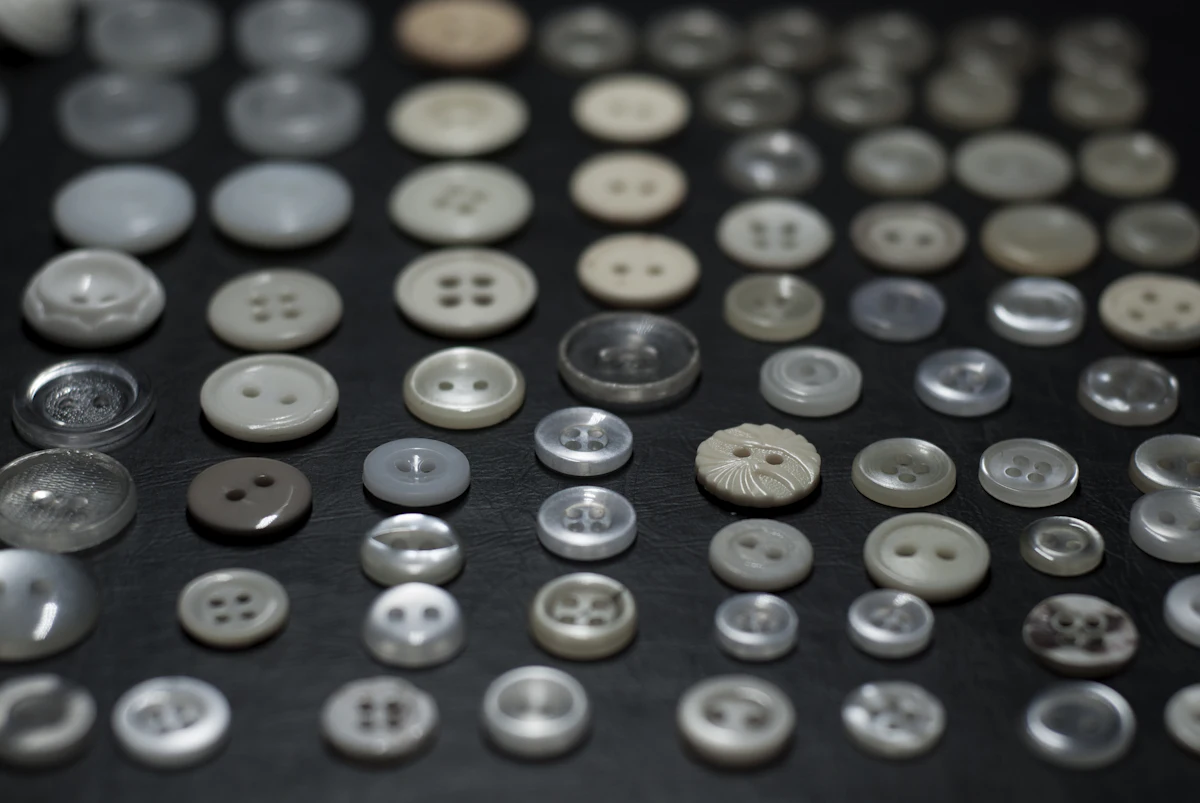
Store fabric folded and out of sunlight, thread on a rack away from dust, and patterns in labelled folders. Clear boxes make notions easy to find.
Small space solutions
- A fold-down table or a cabinet that closes away.
- Wall-mounted thread racks and pegboards.
- Under-bed boxes for fabric.
- A portable cutting mat over a dining table.
Safety
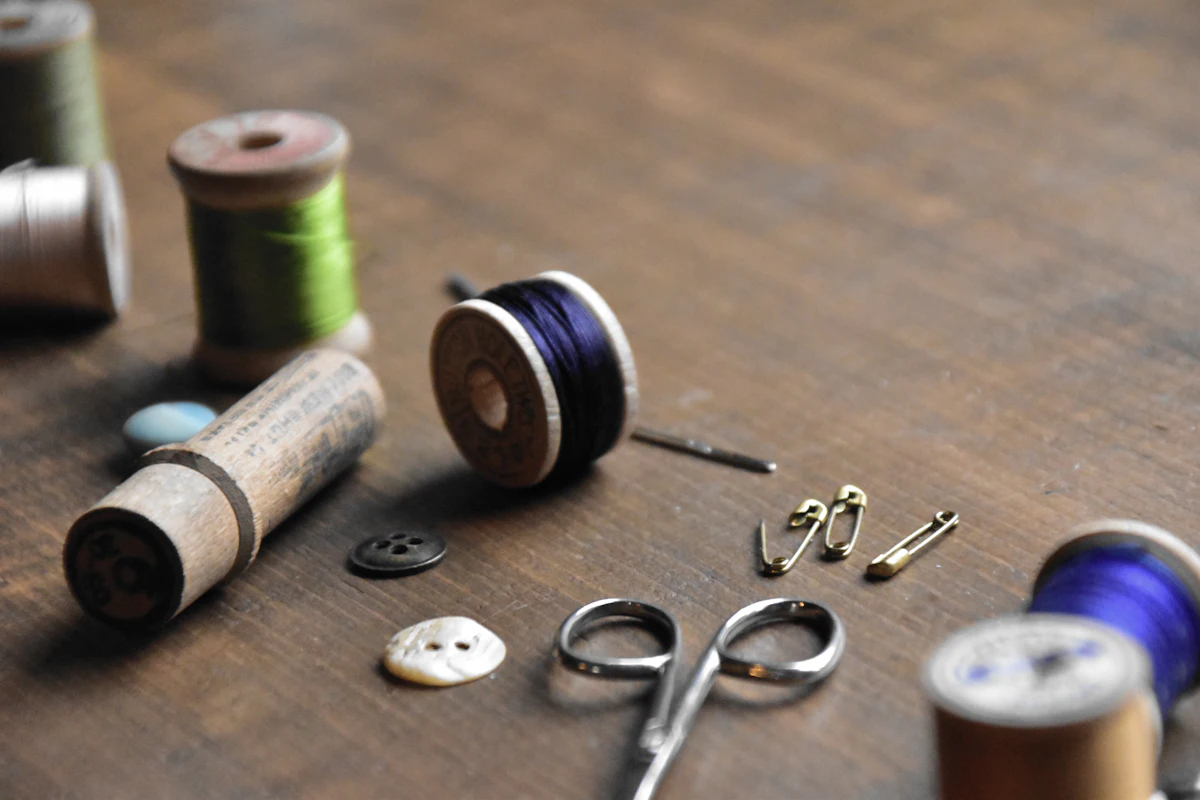
Unplug machines and irons when not in use, keep pins and blades away from children and pets, and make sure your iron has a stable surface.
Pressing station
Put the ironing board within a swivel of your chair, set at standing or sitting height as you prefer. A small tabletop pressing board beside the machine saves walking for every seam. Keep a pressing cloth, tailor’s ham and sleeve roll in a basket nearby, and empty the iron after use to prevent spitting.
Organising fabric and projects
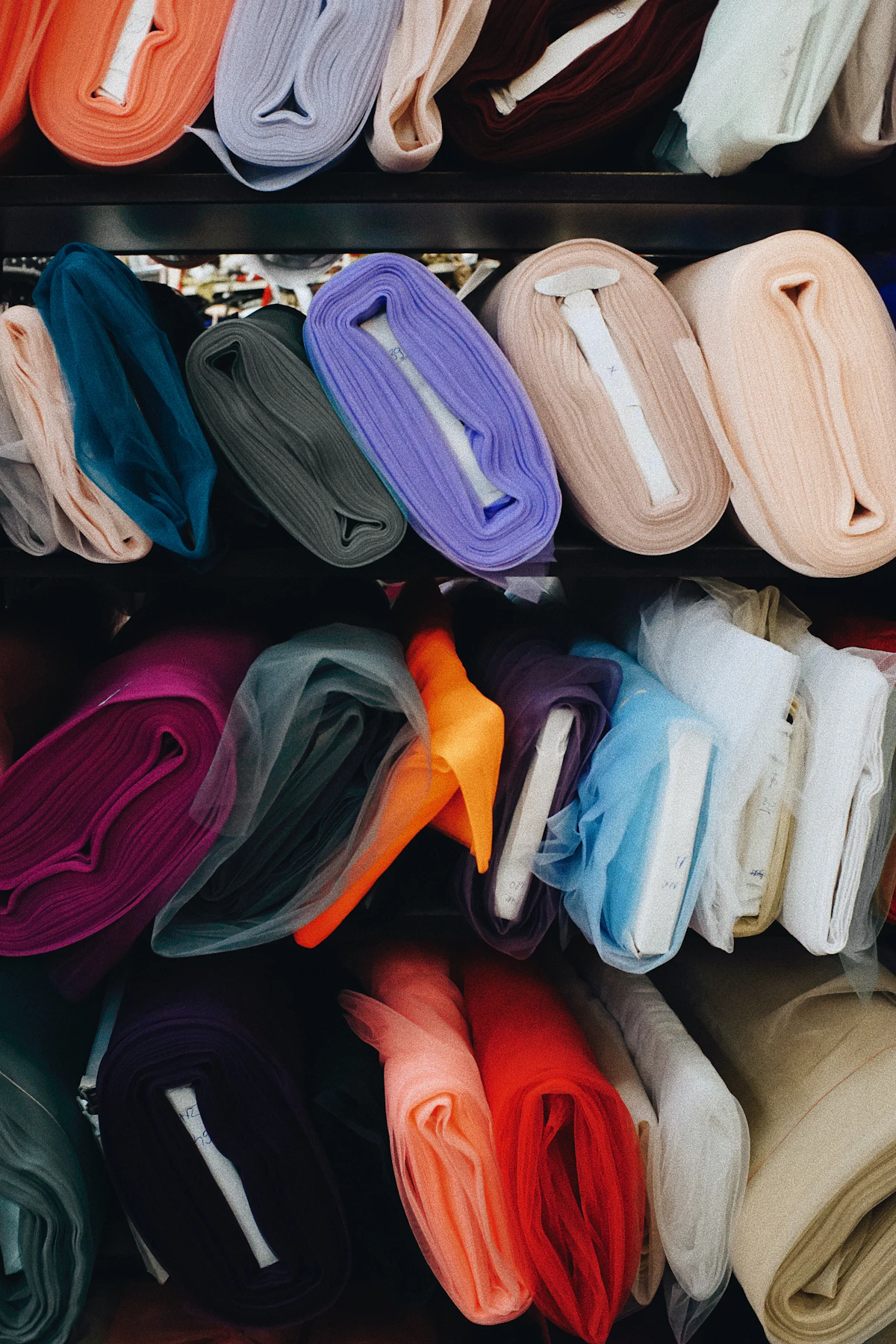
Group fabric by type (wovens, knits, quilting cottons) then colour. Keep each project in its own clear box or bag with the pattern, notions and fabric together, so you can pick up where you left off. A pinboard for inspiration, measurements and notes keeps ideas visible.
Make it comfortable
Long sessions are easier with a cushioned mat under the pedal, a footrest if your feet don’t reach the floor flat, and regular breaks to stretch your shoulders and rest your eyes.
Machine care corner
Keep a lint brush, spare needles, bobbins and the manual by the machine. For servicing in Leicestershire, PK Sewing Machines has been the local specialist since 1982, in a city known for hosiery and textiles.
Last updated: 14 October 2026


