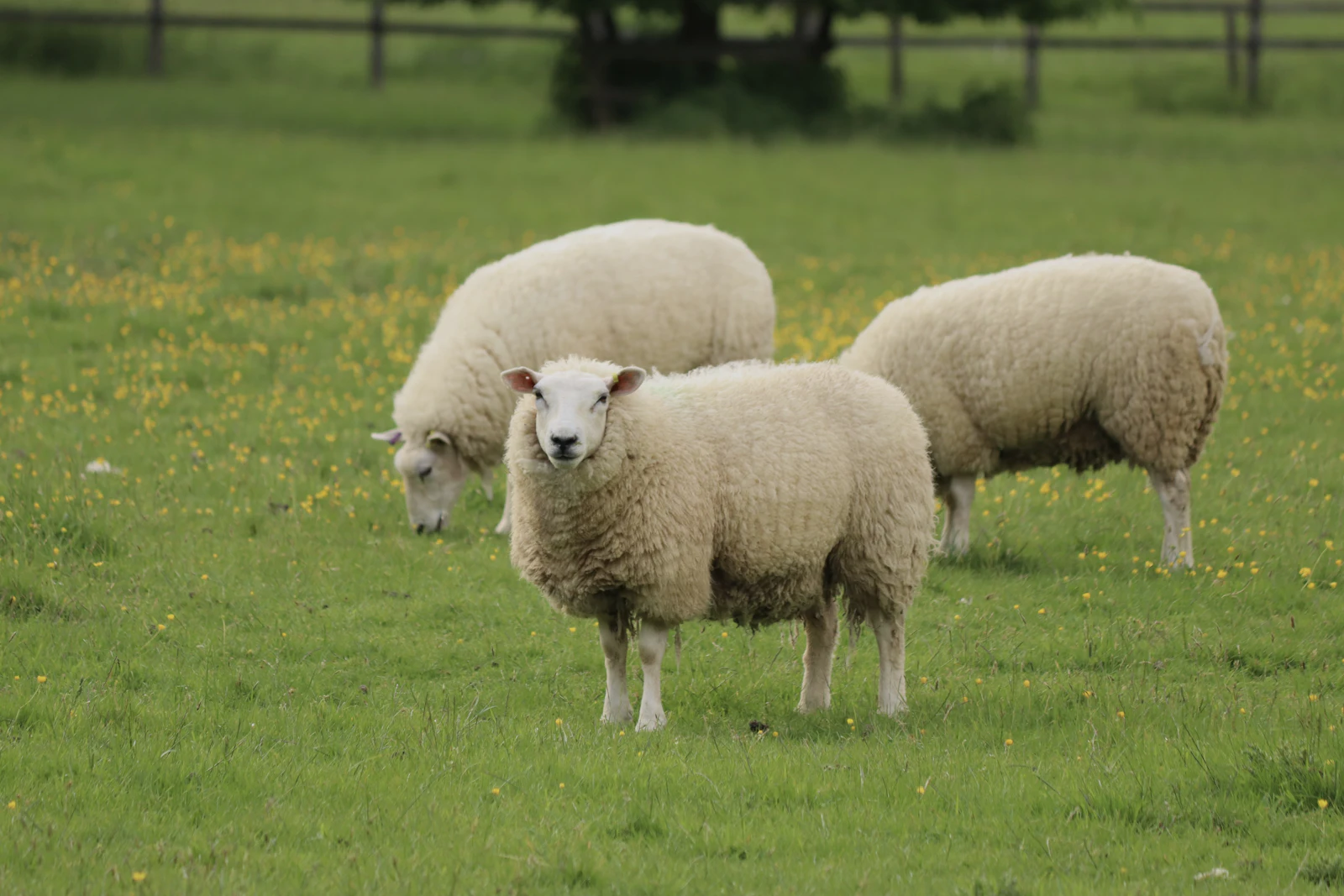
Robert Bakewell of Dishley
In the 18th century, Robert Bakewell farmed at Dishley, near Loughborough in Leicestershire. He became famous for selective breeding of livestock, and his work produced the Leicester Longwool sheep (also called the Dishley Leicester), which influenced many breeds that followed.
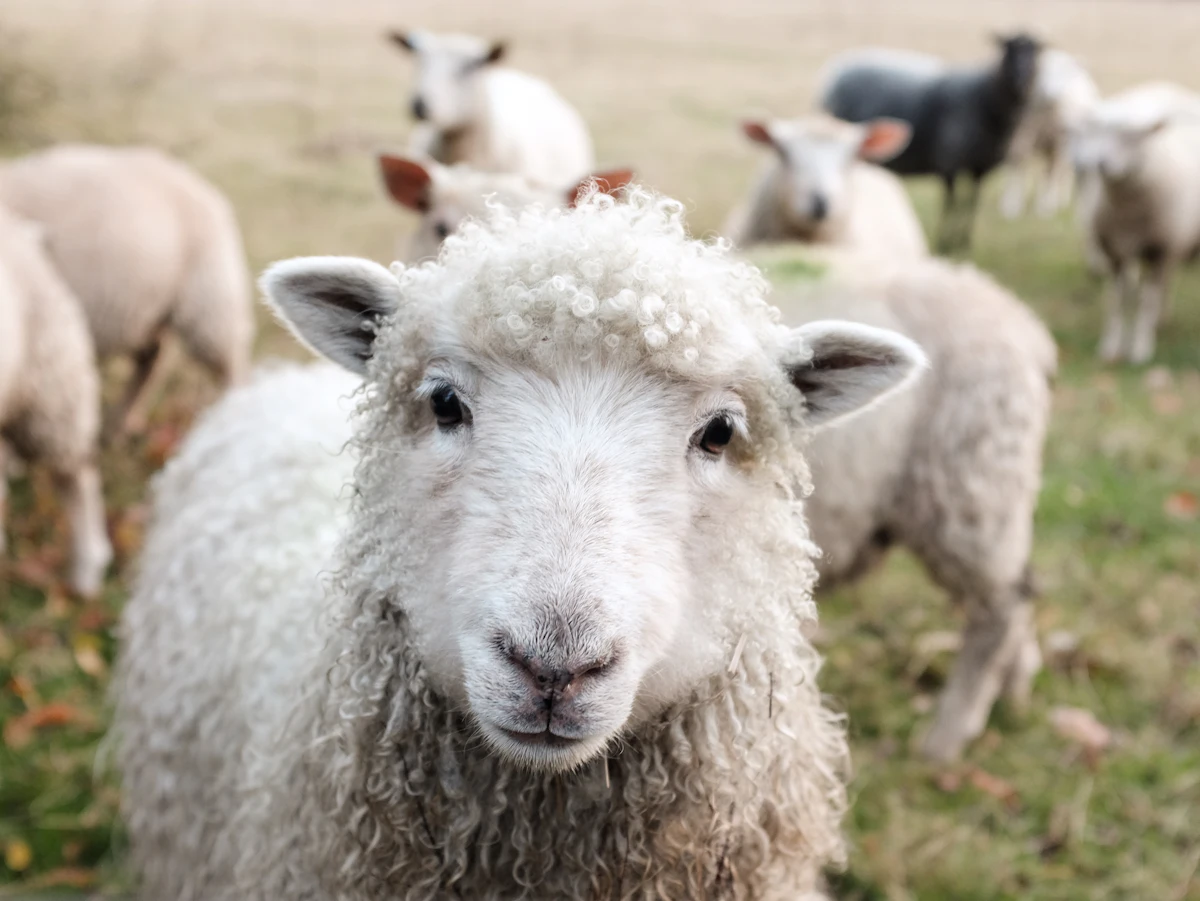
The Leicester Longwool
A large breed with long, lustrous, curly fleece. Long wools like this are valued for strong, shiny yarns and are popular with hand spinners. Leicester Longwool is today considered a rare breed in the UK.
The Bluefaced Leicester
The Bluefaced Leicester (often shortened to BFL) developed in the north of England from Leicester stock. Its fine, soft, lustrous wool makes it a favourite for sock and fine-knit yarns, and its rams are widely used to breed “mule” ewes.
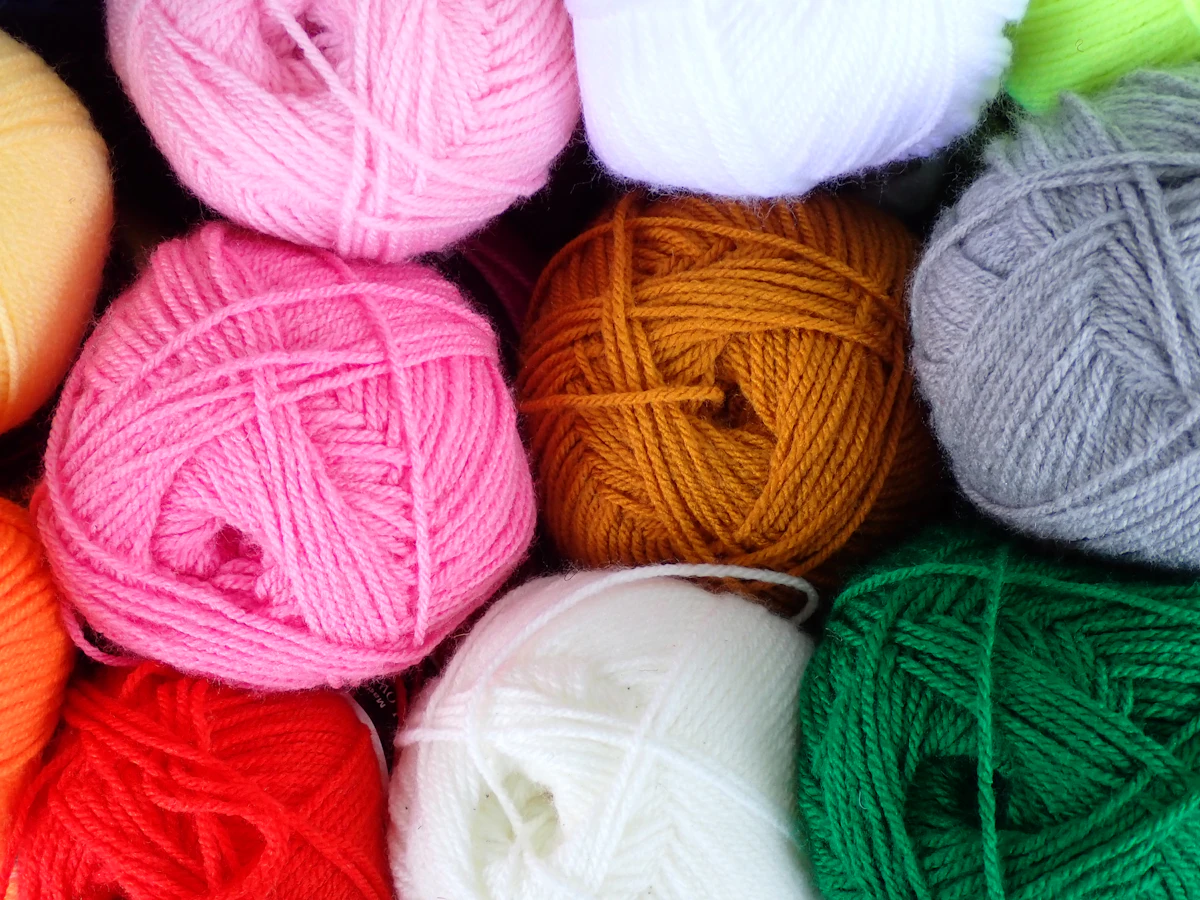
British wool today
Fleece from UK farms is collected, graded and sold through British Wool, the farmer-owned organisation formerly known as the British Wool Marketing Board. Grading by breed and quality helps spinners choose the right fleece for carpets, tweeds, knitting yarns and more.
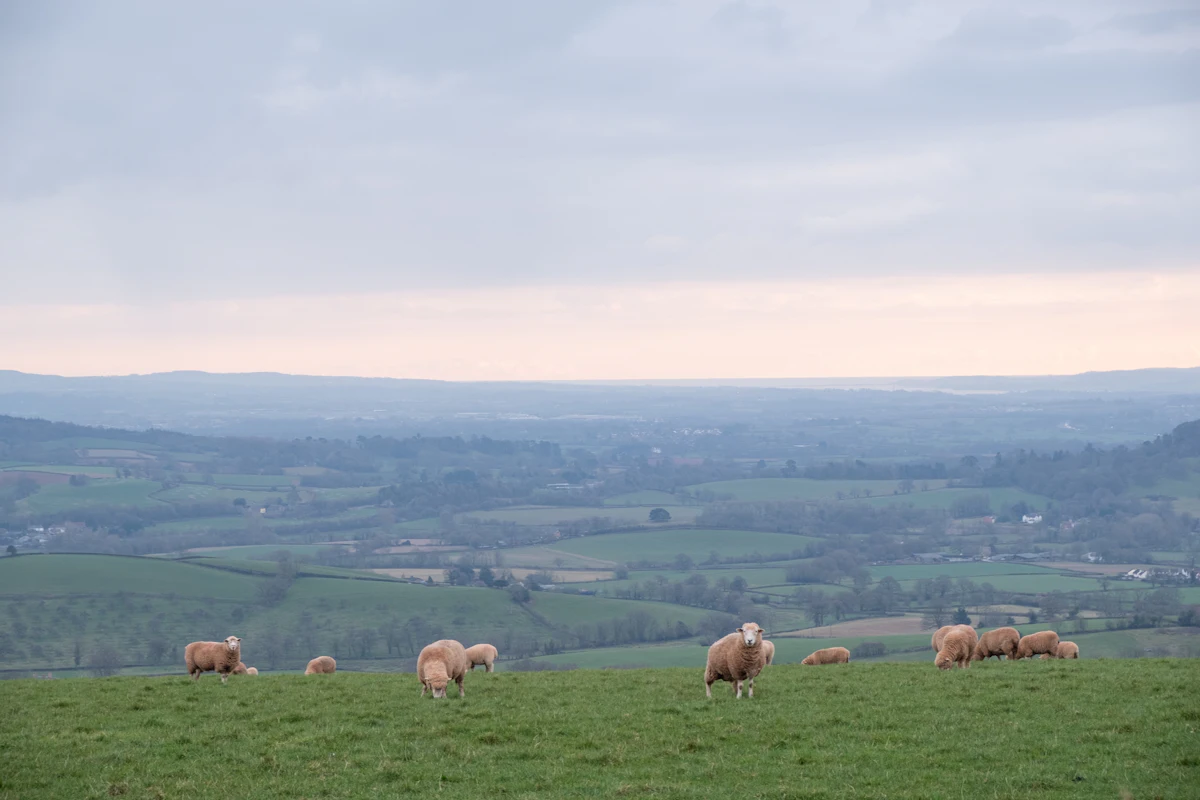
Long wool vs fine wool
Sheep breeds are often grouped by fleece. Long wools, such as the Leicester Longwool, have long, lustrous locks ideal for strong, shiny yarns. Fine wools, such as merino, are soft for next-to-skin wear. The Bluefaced Leicester sits between, with soft, lustrous fibre.
Spinning and knitting with BFL
BFL is a favourite with hand spinners and sock knitters, and it takes dye beautifully. Look for 100% BFL or BFL blends with nylon for hard-wearing socks.
Visiting rare breeds
Farm parks and agricultural shows across the UK display traditional breeds, often with spinning demonstrations. The Rare Breeds Survival Trust works to protect native breeds at risk.
Knit with Leicester wool
Look for BFL on ball bands, especially for socks, and see our wool and yarn guide. For the knitting side of the county’s story, read Leicester’s hosiery heritage; and for sewing machine help in the city, visit PK Sewing Machines.
Last updated: 14 October 2026


